




Why carbide snow plow blades outlast steel in extreme wear conditions
Carbide snow plow blades outlast steel in extreme wear conditions because tungsten carbide resists micro-abrasion far better than hardened steel — the edge keeps its profile and scraping performance while steel rounds off and…
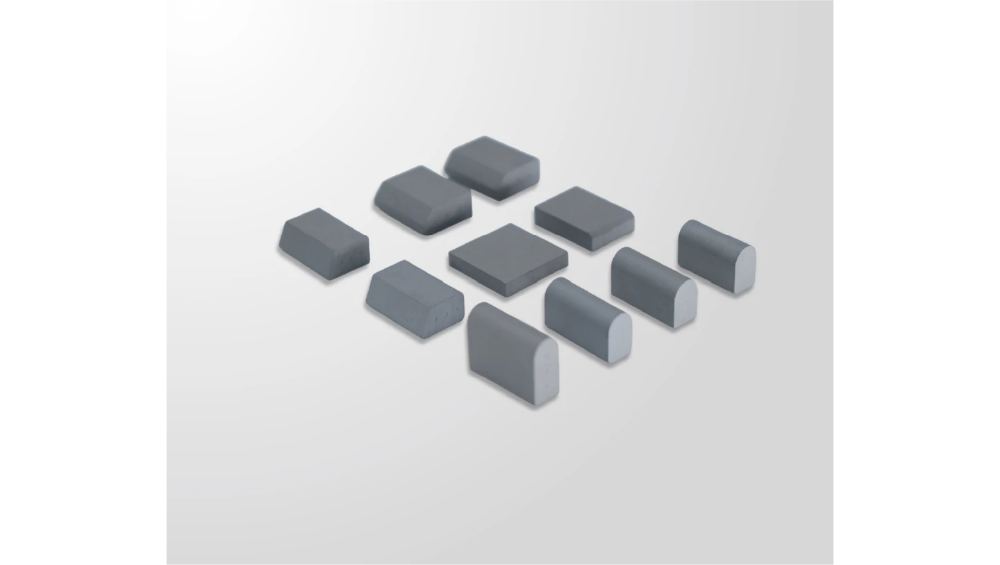
Carbide snow plow blades outlast steel in extreme wear conditions because tungsten carbide resists micro-abrasion far better than hardened steel — the edge keeps its profile and scraping performance while steel rounds off and loses efficiency within days. The difference isn’t just hardness; it’s how that hardness behaves under repeated impact, temperature shifts, and abrasion.
(Last modified date: August 31, 2026)
Key Takeaways
- Carbide slows the rate of performance decline instead of just lasting longer.
- Steel “smears and wears” under freeze-thaw; carbide maintains sharper contact points.
- Biggest advantage: high-mileage municipal routes, rough surfaces, embedded debris, continuous plowing.
- Not every operation benefits equally — match carbide to conditions for best ROI.
What Makes a Carbide Snow Plow Blade Fundamentally Different?
A carbide snow plow blade uses tungsten carbide inserts embedded along the cutting edge rather than relying solely on hardened steel. The key distinction is wear resistance under friction-heavy conditions. Carbon steel blades wear by gradual material loss — every pass across asphalt removes a thin layer that compounds quickly on heavy routes. Tungsten carbide resists abrasion at a much higher level, maintaining a sharper profile over time. This matters when roads contain sand, gravel, or exposed aggregate, when plowing frequency is high across long routes, and when operators rely on consistent scraping performance. See SENTHAI carbide snow plow blades.
Why Wear Resistance Behaves Differently on Real Roads
On paper, hardness sounds like a simple advantage; in reality, road conditions introduce variables that change degradation. Carbide performs differently because abrasive particles slide across the surface instead of cutting into it, edge geometry stays stable instead of rounding off, and heat buildup from friction has less impact on structural integrity. Steel blades tend to “smear and wear” under repeated freeze-thaw cycles. A carbide blade may look unchanged after weeks while steel shows visible wear within days — the performance gap becomes clearer over longer cycles. See hardfacing vs carbide inserts for winter wear costs.
Where Carbide Blades Show the Biggest Advantage
Carbide becomes more relevant as conditions become harsher. Most effective on high-mileage municipal routes, rough or unfinished road surfaces, areas with embedded debris or gravel, and continuous plowing operations with minimal downtime. In lower-intensity environments, the difference is smaller — matching blade type to duty is essential. See carbide blades in extreme cold.
Carbide vs Carbon Steel Wear Rate Comparison
| Condition | Carbon Steel | Carbide-Inserted |
|---|---|---|
| Abrasive asphalt | Rapid rounding | Slow, uniform wear |
| Gravel routes | Gouging | Localized insert wear |
| Freeze-thaw cycles | Smearing | Stable edge |
| Typical life | 50–200 hours | 500–2,000+ hours |
Why Some Carbide Blades Fail Earlier Than Expected
- Poor bonding causes insert pop-out.
- Recycled or inconsistent powder creates weak spots.
- Wrong grade for the route (too hard or too brittle).
- Mismatched fitment causes uneven load.
See verifying bolt hole patterns for cross-fleet fitment.
How to Get the Most Life from a Carbide Plow Edge
- Match grade and insert geometry to the route.
- Verify fitment and torque hardware per spec.
- Inspect after every major storm; replace damaged inserts early.
- Re-tip worn carriers where practical.
- Store blades correctly off-season.
When Carbide Might Not Be the Right Choice
On light, occasional duty with smooth surfaces and low abrasion, the carbide premium may not pay back. In those cases, steel remains cost-effective — the decision should be driven by cost per mile, not material preference. See carbide vs steel lifecycle decision framework.
Frequently Asked Questions
How much longer does carbide last than steel?
On abrasive routes, carbide-inserted edges typically last several times longer — fleets commonly see 500–2,000+ hours versus 50–200 hours for steel.
Why does steel wear so fast on ice and gravel?
Abrasive particles cut into the steel surface and freeze-thaw cycles cause smearing, rounding the edge quickly.
Is carbide worth the cost on my routes?
Compute cost per mile; on abrasive, high-mileage routes carbide usually wins, while light duty may favor steel.
Do all carbide blades perform the same?
No — grain size, bonding quality, grade, and fitment determine real-world life; verify supplier data.
Related Articles
- Hardfacing vs Carbide Inserts
- Carbide vs Steel Lifecycle Framework
- Bolt Hole Pattern Verification
- Carbide Blades in Extreme Cold
Official Resources
- SENTHAI — Carbide Snow Plow Blades
- SENTHAI — Request a Bulk Quote
- SENTHAI — Contact for Route Matching
References
- SENTHAI fleet data on carbide vs steel wear rates, 2026.
- Winter maintenance industry lifecycle cost analyses.
Related articles
 Optimizing Winter Fleets: The Definitive Guide to Kueper Plow Blades Substitute Systemsinfo
 Sourcing a Credible Kennametal Snow Plow Blades Equivalent: The Metallurgical and Operational Guideinfo
 Polarflex Plow Blade Replacement: The Engineered Sourcing Guide for Peak Fleet DurabilityinfoBeyond OEM Lock-In: Modern Fleet Guide to Cutting-Edge Plow Blade Alternativesinfo