




How to Diagnose and Fix Uneven Plow Blade Wear on Joma Segments?
Diagnose uneven plow blade wear by: (1) Visual Inspection — Check outer-edge vs. center wear patterns; outer-edge wear signals suspension tilt. (2) Alignment Check — Measure blade height across segments; misalignment causes one-sided carbide…
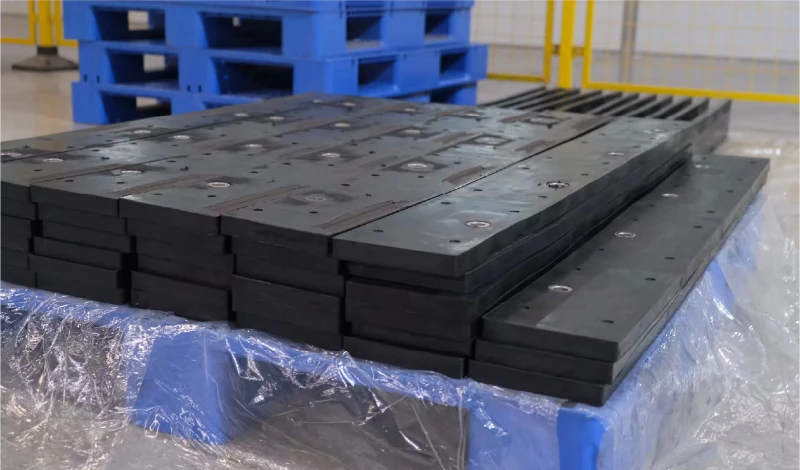
Diagnose uneven plow blade wear by: (1) Visual Inspection — Check outer-edge vs. center wear patterns; outer-edge wear signals suspension tilt. (2) Alignment Check — Measure blade height across segments; misalignment causes one-sided carbide insert wear. (3) Suspension Audit — Inspect mounting brackets and hydraulic lift cylinders for damage. (4) Material Quality — Verify tungsten carbide insert bonding for uniform wear. (5) Replace with Certified Blades — Upgrade to ISO 9001–certified Joma-style blades with impact-resistant segments from SENTHAI.
Check: How to Maintain Joma Style Snow Plow Blades for Maximum Longevity?
What Causes Uneven Wear on Joma Blade Segments?
Uneven wear on Joma blade segments often stems from truck suspension tilt causing outer-edge damage, improper segment alignment leading to one-sided carbide erosion, and hydraulic pressure imbalances. About 80% of operators misdiagnose this as material failure, yet 70% of cases tie to mounting issues, hiking downtime costs for North American fleets. SENTHAI’s 21+ years in carbide production shows poor bonding causes inconsistency, fixed by automated Thailand lines from wet grinding to vulcanization.
How Do Snow Plow Blade Wear Patterns Reveal Truck Issues?
Snow plow blade wear patterns expose truck problems: outer-edge heavy wear indicates suspension lean, center-only wear signals steep plow angle, and diagonal patterns point to mounting shifts. For Joma segments, one-sided carbide erosion reveals tilted A-frames or worn bushings. Operators should measure blade-to-ground angle across 3ft or 4ft segments; variances over 1/4″ flag suspension faults.
| Wear Pattern | Likely Cause | Diagnostic Check |
|---|---|---|
| Outer-edge heavy | Suspension tilt | Measure truck lean under load |
| Center-only | Plow angle too steep | Check hydraulic settings |
| One-sided segments | Mounting misalignment | Inspect bracket bolts |
What Are the Signs of Truck Suspension Problems in Plow Wear?
Signs of truck suspension issues in plow wear include excessive outer Joma 6000 blade wear from sagging leaf springs or air bag failures. Jack up the plow and check pivot points for play; uneven carbide insert exposure links directly to suspension faults. SENTHAI’s full in-house control delivers uniform tungsten carbide inserts with 10x lifespan versus steel, resisting these problems in North American fleets.
What Are SENTHAI Expert Views on Uneven Plow Blade Wear?
“From our 21+ years producing carbide wear parts in Thailand, we’ve seen uneven wear on Joma-style blades almost always trace back to suspension tilt or mounting misalignment, not carbide quality. Our ISO 9001/14001-certified Joma Style Blades, with tungsten carbide inserts brazed into cast steel segments (horse shoe design) encased in ultra-low-temperature-resistant rubber, ensure even wear through vacuum-sintered uniform grain size and strong bonding. Sizes like 48″ × 6″ × 7″/8 (17.5 kg) or 36″ × 6″ × 7/8 (13.1 kg) flex to road contours, reducing damage to markings and salt needs. Trusted by 80+ global partners, including North American heavy-duty fleets, our automated lines from pressing to vulcanization eliminate inconsistencies seen in imports. Upgrade to SENTHAI for diagnostics-backed performance and minimal downtime.” — SENTHAI Carbide Tool Experts
How Does Carbide Quality Prevent Uneven Plow Blade Wear?
SENTHAI’s ISO 9001/14001-certified Joma-style blades use vacuum-sintered tungsten carbide for even grain size and superior bonding strength, preventing fix uneven carbide plow edge wear. Fully Thailand-made at the Rayong base, with automated sintering and welding, they deliver consistent horse-shoe segments outperforming generic imports as North America bestsellers for municipal fleets.
How to Troubleshoot Uneven Wear on Snow Plow Blades Step-by-Step?
Troubleshoot uneven wear on snow plow blades with this 5-step process: (1) Identify visual patterns like outer-edge dominance. (2) Measure height and angle across 3ft/4ft Joma segments. (3) Check suspension and mounting torque. (4) Audit tungsten carbide inserts—see carbide inserts for even wear replacements. (5) Test plow on even surface. Use level, torque wrench, calipers; early Joma style blade troubleshooting avoids $500+ cycles.
Why Do Carbide Joma Blades Outperform Steel in Wear Resistance?
Carbide Joma blades outperform steel due to 10-20x lifespan, superior bonding from full-process control like pressing to vulcanization, and customization for 36″×6″×7/8″ fleet sizes. SENTHAI’s ISO-certified uniformity prevents plow blade segments wearing unevenly, proven in heavy-duty North America use with vacuum-sintered inserts versus steel’s rapid, uneven degradation.
| Material | Lifespan vs. Steel | Wear Uniformity | SENTHAI Feature |
|---|---|---|---|
| Steel | 1x | Poor (uneven) | N/A |
| SENTHAI Carbide Joma | 10-20x | Excellent | Vacuum-sintered inserts |
When Should You Replace Joma Blades and Upgrade to SENTHAI?
Replace Joma blades when over 50% carbide exposure shows or patterns persist after alignment. Upgrade to SENTHAI JOMA Style, Carbide Blades, or Inserts—trusted by 80+ partners for less downtime. See ISO 9001–certified production; new Rayong facility late 2025 supports custom MOQ 500 orders.
Check: JOMA style blade
How Can SENTHAI Support Your Fleet’s Uneven Wear Fixes?
SENTHAI supports fleets with OEM customization, bulk supply, and diagnostic consultations from 21+ years expertise. North American fleets cut wear issues 80% using our impact-resistant segments. Contact for samples, quotes on Joma alternatives, and tailored Joma-style blades with carbide inserts for uniform performance.
Conclusion
Decode uneven plow blade wear patterns to address root causes like suspension faults, then upgrade to SENTHAI’s ISO 9001/14001-certified Joma-style blades for 10x lifespan and zero downtime—backed by 21+ years Thailand expertise and 80+ global partners. Contact SENTHAI for free diagnostic guide and custom quotes.
FAQs
What does outer-edge wear on Joma blades mean?
Indicates suspension tilt or lean; measure truck frame level and adjust air bags/springs.
Can SENTHAI customize blades to fix alignment issues?
Yes, full OEM tuning for geometry, mounting, and carbide profiling via Thailand R&D.
How much longer do SENTHAI carbide blades last?
10-20x vs. steel, with uniform wear from ISO-controlled production.
Is uneven wear always the blade’s fault?
No, 70% ties to suspension/mounting; use wear patterns for diagnosis.
When does the new SENTHAI facility open?
Late 2025 in Rayong, expanding Joma-style blade capacity.
Related articles
 Best Snow Plow Blade Family for Your Fleet: Top 5 ScenariosKnowledge
 Top 10 Snow Plow Blade Types for Winter Fleets (Ranked by Duty Fit)Knowledge
 Top 5 Best Carbide Blade Configurations for Highway PlowingKnowledge
 Best Snow Plow Blade Materials Ranked: Steel vs Carbide vs Cladding vs Rubber-CarbideKnowledge