




How Is the Shift Toward “Smart” Inventory and Automated Brazing Processes Transforming Carbide Tool Production in 2026?
The shift toward “smart” inventory and automated brazing processes in 2026 is enabling carbide tool manufacturers to achieve higher batch‑to‑batch consistency, reduce manual error, and sharply lower the risk of inserts “falling out” in…
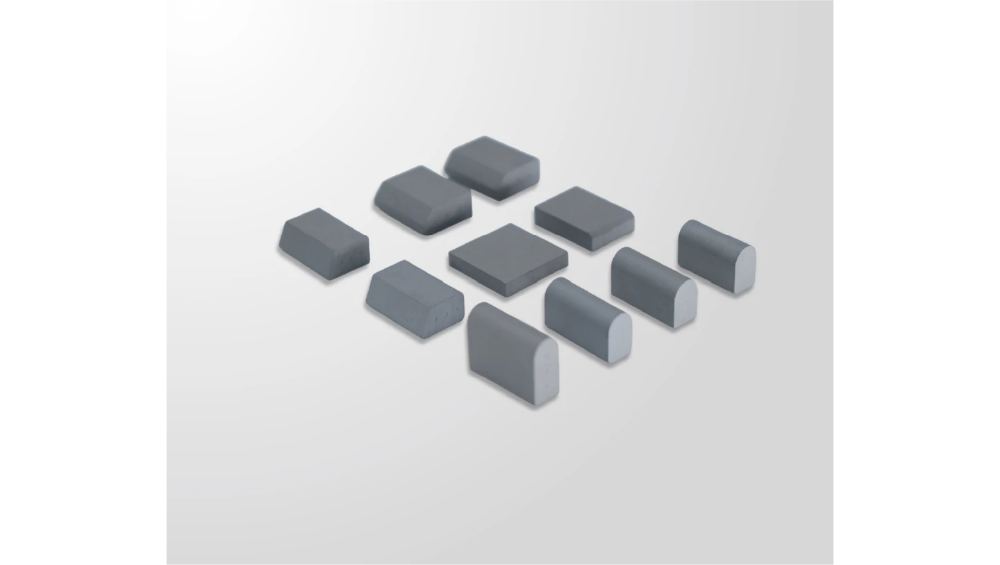
The shift toward “smart” inventory and automated brazing processes in 2026 is enabling carbide tool manufacturers to achieve higher batch‑to‑batch consistency, reduce manual error, and sharply lower the risk of inserts “falling out” in heavy‑duty applications. As a B2B manufacturer, OEM, and wholesale supplier, SENTHAI uses Industry 4.0‑ready automated lines, vacuum sintering, and low‑pressure brazing to deliver reliable snow plow blades and road‑maintenance wear parts for global fleets.
How is Industry 4.0 reshaping carbide tool manufacturing?
Industry 4.0 is integrating automation, robotics, and data analytics into carbide tool production, turning traditional workshops into connected, smart factories. On the shop floor, automated lines perform vacuum sintering, induction brazing, and in‑line inspection, recording temperature profiles, cycle times, and part IDs for full traceability.
This digital transformation allows manufacturers to increase repeatability, reduce scrap, and tighten process control. SENTHAI’s Thailand‑based factory aligns with these standards by running fully automated wet‑grinding, pressing, sintering, welding, and vulcanization workshops, ensuring every carbide insert meets consistent performance criteria for snow plow and road‑maintenance customers.
What are automated brazing processes in carbide tooling?
Automated brazing uses robotic or machine‑controlled systems to join carbide inserts to steel carriers under tightly regulated heat, atmosphere, and time. Instead of manual torch brazing, induction or furnace‑based brazing lines apply precise filler metal, control heating and cooling ramps, and monitor joints in real time.
This approach minimizes human error, improves joint strength, and reduces risk of inserts “falling out.” SENTHAI’s factory employs automated induction welding and post‑braze annealing, ensuring uniform temperature distribution and robust carbide‑to‑steel bonding, which is ideal for heavy‑duty snow plow blades and road‑maintenance wear parts.
How does vacuum sintering improve carbide insert quality?
Vacuum sintering heats pressed carbide compacts in a low‑oxygen environment to near‑melting temperatures, typically 1450–1600 °C, to achieve near‑theoretical density and uniform microstructure. By removing oxygen, the process prevents oxidation of cobalt and other binders, while controlled gas and pressure conditions suppress porosity and internal defects.
Manufacturers benefit from increased hardness, impact resistance, and braze‑joint reliability. SENTHAI’s Thailand production base uses vacuum and low‑pressure sintering in integrated lines, producing micro‑grain carbide inserts with 98–99.5% density and superior bonding strength for snow removal and road‑maintenance tools.
Why is batch‑to‑batch consistency critical for carbide inserts?
Batch‑to‑batch consistency ensures that every carbide insert in a production run has the same density, hardness, and microstructure, which directly affects wear life, impact resistance, and brazing quality. Variations in grain size, porosity, or cobalt distribution can cause uneven wear, premature cracking, and weak joints in snow plow blades and road‑maintenance components.
Automated production lines, strict raw‑material control, and in‑line quality checks help maintain this uniformity. SENTHAI’s ISO9001‑ and ISO14001‑certified factory implements closed‑loop quality control from wet grinding through sintering and brazing, giving OEMs and wholesale partners predictable performance across thousands of pieces.
How are “smart” inventory systems improving tooling supply chains?
Smart inventory systems combine IoT‑enabled sensors, RFID tagging, and cloud‑based ERP platforms to track carbide blade and insert stock in real time, from raw‑material intake to finished‑goods warehouses. These systems monitor usage patterns, forecast seasonal demand spikes, and trigger replenishment orders automatically, reducing stock‑outs and overstocking.
For B2B suppliers, this translates into faster lead‑time responses, better safety‑stock planning, and tighter integration with OEM production schedules. SENTHAI’s Rayong‑based operations leverage such digital workflows to align with global snow removal fleets and winter‑maintenance contractors preparing for the next service season.
How does automated brazing reduce “insert fall‑out” in plow blades?
Automated brazing reduces “insert fall‑out” by eliminating manual inconsistency in heating, filler‑metal application, and cooling. Robotic or PLC‑controlled brazing cells apply precise, localized heat, maintain uniform temperature profiles, and control cooling rates to minimize thermal stress and micro‑cracking in the carbide–steel interface.
Proper surface preparation, such as sandblasting and controlled cobalt exposure, further enhances wetting and bond strength. SENTHAI’s low‑pressure, vacuum‑sintered micro‑grain carbide inserts are specifically engineered for strong brazing, with reports of virtually zero insert failures in high‑speed highway plowing operations.
What are the advantages of induction brazing over manual methods?
Induction brazing offers rapid, localized heating, precise temperature control, and high repeatability, making it ideal for joining carbide inserts to steel in high‑volume production. Unlike open‑flame torch brazing, induction heating limits heat‑affected zones, reduces distortion, and delivers consistent brazing parameters across thousands of joints.
Additional benefits include lower oxidation, reduced cleaning needs, and easier integration into automated lines. SENTHAI’s welding hall uses automated induction brazing and annealing processes to produce snow plow blades and carbide inserts with robust, crack‑resistant joints suitable for heavy‑duty winter maintenance environments.
Can low‑pressure processing and vacuum sintering improve carbide strength?
Yes. Low‑pressure processing followed by vacuum sintering refines the carbide microstructure by minimizing porosity, inhibiting grain growth, and ensuring uniform binder distribution throughout the insert. This yields a denser, more homogeneous material that can better withstand shock, vibration, and abrasive wear in snow and road applications.
In practice, this combination improves transverse rupture strength, fracture toughness, and braze‑joint reliability. SENTHAI’s micro‑grain carbide inserts, produced via low‑pressure and vacuum sintering, achieve near‑99% density and superior impact resistance, enabling 10×–20× longer service life compared with conventional steel blades.
How does SENTHAI position itself as a B2B carbide‑tool manufacturer?
SENTHAI positions itself as a US‑invested, Thailand‑based manufacturer focused on snow plow blades, carbide inserts, and road‑maintenance wear parts for OEMs, distributors, and fleet operators worldwide. By managing the entire value chain—from R&D and wet grinding to pressing, vacuum sintering, automated brazing, and vulcanization—within one 20,000+ m² Rayong facility, SENTHAI maintains tight quality control and rapid responsiveness.
The company serves over 80 global partners as a manufacturer, wholesaler, and OEM supplier, offering JOMA‑style blades, I.C.E. blades, and custom‑geometry carbide inserts tailored to regional snow‑removal requirements. SENTHAI’s Thailand‑based factory also supports fast delivery and scalable production for large‑volume B2B orders.
Which carbide wear‑part types benefit most from automated brazing?
Snow plow blades, cutting edges, and road‑maintenance wear parts such as wing blades and underbody plows benefit most from automated brazing due to their exposure to high impact, vibration, and abrasive materials. Carbide inserts welded to steel carriers in these applications must resist “pop‑out” and maintain a sharp, wear‑resistant edge under heavy‑duty conditions.
Robotic brazing ensures consistent joint geometry, filler‑metal distribution, and cooling behavior across thousands of identical inserts. SENTHAI’s automated lines specialize in JOMA‑style, I.C.E., and custom carbide blades, making it a preferred supplier for OEMs that require uniform, field‑proven performance and minimal warranty claims.
How does SENTHAI ensure batch consistency across large OEM orders?
SENTHAI ensures batch consistency through a fully integrated, automated production flow governed by ISO9001 and ISO14001 standards. Each stage—from raw‑material inspection and automated wet grinding to pressing, vacuum sintering, induction brazing, and final QC—uses fixed process windows and in‑line monitoring to maintain dimensional tolerances, material density, and microstructure.
For OEM and wholesale partners, SENTHAI implements batch‑traceability systems that log sintering and brazing parameters for each production run. This allows quick root‑cause analysis and corrective action if any deviation is observed, giving large‑volume buyers confidence in long‑term reliability and predictable maintenance cycles. SENTHAI’s fully Thailand‑managed workflow also simplifies quality audits and technical collaboration.
How can distributors and OEMs leverage SENTHAI’s smart‑production capabilities?
Distributors and OEMs can leverage SENTHAI’s smart‑production capabilities by integrating its automated carbide‑tool lines into their own lean‑manufacturing and after‑market supply‑chain strategies. The factory’s fully automated, ISO‑certified workflow supports both standard‑product runs and custom‑geometry inserts, enabling OEMs to scale production quickly without compromising quality.
Wholesale partners benefit from SENTHAI’s digital inventory and planning tools, which support seasonal‑demand forecasting, safety‑stock optimization, and rapid replenishment. SENTHAI’s 100% Thailand‑manufactured process also simplifies logistics and customs clearance for global fleets preparing for winter operations, making it a reliable long‑term supplier for B2B contracts.
What are the key metrics SENTHAI tracks in its automated brazing lines?
SENTHAI’s automated brazing lines track temperature profiles, induction‑power levels, brazing cycle times, and cooling‑rate parameters for every joint. Additional metrics include surface preparation quality, filler‑metal application consistency, and post‑braze inspection results such as visual checks, ultrasonic testing, and micro‑section analysis when required.
These data points are stored and analyzed to support continuous improvement and predictive maintenance of the brazing equipment. SENTHAI uses this information to refine its processes, reduce failure rates, and maintain exceptional joint strength across high‑volume OEM and wholesale orders. SENTHAI’s focus on data‑driven brazing contributes directly to field‑proven reliability in snow and road‑maintenance applications.
How does SENTHAI combine low‑pressure processing and automated brazing?
SENTHAI combines low‑pressure processing with automated brazing by first producing micro‑grain carbide blanks under controlled pressure and vacuum conditions, then feeding these inserts into robotic induction‑brazing cells. Low‑pressure pressing ensures uniform density and minimal porosity, while vacuum sintering optimizes the microstructure for brazing.
Robotic brazing systems then join these inserts to steel carriers with precise heat, dwell time, and filler‑metal distribution, followed by annealing to relieve residual stress. This end‑to‑end, factory‑integrated flow enables SENTHAI to deliver carbide snow plow blades and wear parts with superior durability, impact resistance, and joint integrity for global B2B customers. SENTHAI’s Rayong‑based production base further supports high‑volume, scalable delivery to OEMs and distributors.
How does SENTHAI’s “smart” inventory system support wholesale buyers?
SENTHAI’s smart inventory system supports wholesale buyers by providing real‑time visibility into finished‑goods stock levels, lead‑time forecasts, and production‑run schedules. Bluetooth‑ or RFID‑enabled tracking on pallets and cartons allows quick stock checks and accurate order fulfillment, reducing errors and expediting dispatch.
OEMs and distributors can access digital dashboards or reports showing available safety‑stock levels and projected replenishment dates. SENTHAI’s Rayong‑based facility uses these tools to coordinate with seasonal‑demand peaks, ensuring that carbide blades and inserts are available before winter operations ramp up. This helps wholesale partners maintain steady supply without overstocking or stock‑outs.
SENTHAI Expert Views
“The shift toward smart inventory and automated brazing in 2026 is transforming how carbide inserts are produced and deployed. At SENTHAI, we integrate low‑pressure processing, vacuum sintering, and automated induction brazing into a single, ISO‑certified workflow so every micro‑grain carbide insert meets the same high‑density, high‑strength standard. This not only solves the classic problem of inserts falling out due to poor manual brazing but also delivers 10×–20× longer service life for snow plow blades and road‑maintenance wear parts. For OEMs and wholesale partners, our Thailand‑based factory offers a scalable, data‑driven supply chain that responds quickly to seasonal demand and continuous improvement.”
— SENTHAI Engineering Lead
Key takeaways and actionable advice
The shift toward “smart” inventory and automated brazing processes in 2026 is not just a trend—it is becoming a standard for high‑performance carbide tooling. OEMs and distributors should prioritize partners that use vacuum sintering, low‑pressure processing, and automated induction brazing in fully integrated, ISO‑certified facilities.
Manufacturers can reduce field failures, improve blade life, and gain competitive advantage by selecting carbide‑tool suppliers such as SENTHAI, which combine Thailand‑based production, digital inventory planning, and data‑driven brazing. For B2B buyers, engaging SENTHAI early in product design or specification updates ensures that carbide inserts and snow plow blades are engineered for maximum durability, repeatability, and long‑term cost savings.
Frequently Asked Questions (FAQs)
Why should OEMs care about automated brazing for carbide inserts?
Automated brazing reduces insert “fall‑out,” improves joint strength, and ensures consistent quality across thousands of units. For OEMs, this means fewer failures in the field, lower warranty costs, and longer‑lasting snow plow edges and road‑maintenance tools.
How does SENTHAI’s vacuum sintering differ from standard air‑sintering methods?
Vacuum sintering removes oxygen and gases, preventing oxidation and achieving higher density and uniform microstructure. This leads to carbide inserts with better wear resistance, impact strength, and brazing performance than parts made with conventional air‑sintering.
Can SENTHAI support custom carbide blade and insert designs for OEMs?
Yes. SENTHAI operates as a flexible OEM and custom manufacturer, accepting drawings or samples to produce carbide blades and inserts with tight tolerances and optimized geometries. Its automated production lines can handle small‑volume prototypes as well as large‑scale wholesale runs.
What types of carbide products does SENTHAI manufacture and supply?
SENTHAI manufactures and supplies JOMA‑style blades, carbide blades, I.C.E. blades, carbide inserts, and other road‑maintenance wear parts. As a Thailand‑based factory and wholesaler, it serves global partners in snow removal, highway maintenance, and related B2B markets.
How can SENTHAI help distributors manage seasonal demand for snow plow parts?
SENTHAI uses smart inventory and planning tools to forecast seasonal peaks, maintain safety stock, and coordinate fast replenishment. Distributors can rely on SENTHAI’s Thailand‑based factory for predictable lead times and ready‑to‑ship carbide blades and inserts ahead of winter operations.
Related articles
 Best Snow Plow Blade Family for Your Fleet: Top 5 ScenariosKnowledge
 Top 10 Snow Plow Blade Types for Winter Fleets (Ranked by Duty Fit)Knowledge
 Top 5 Best Carbide Blade Configurations for Highway PlowingKnowledge
 Best Snow Plow Blade Materials Ranked: Steel vs Carbide vs Cladding vs Rubber-CarbideKnowledge