




How Can Road Icing Be Effectively Prevented in High-Demand Winter Operations
Effective road icing prevention combines pre-treatment (anti-icing), timely de-icing, and consistent mechanical removal with properly matched plow blades — when one element fails, ice bonds more aggressively to the pavement, raising both safety risks…
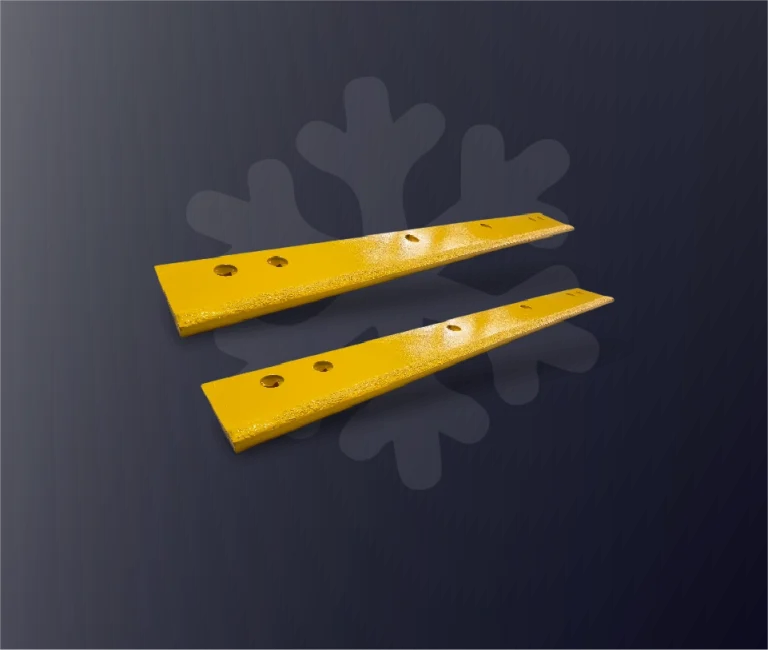
Effective road icing prevention combines pre-treatment (anti-icing), timely de-icing, and consistent mechanical removal with properly matched plow blades — when one element fails, ice bonds more aggressively to the pavement, raising both safety risks and operational costs. Icing is a surface management problem, not just a weather problem.
(Last modified date: September 2, 2026)
Quick definition: Ice formation is not uniform.
Key Takeaways
- Ice bonds hardest under traffic compression, melt-freeze cycles, and residual moisture.
- Anti-icing before snowfall beats de-icing after bonding: less material, fewer passes, less wear.
- Carbide-insert and segmented blades maintain surface contact where rigid edges skip.
- Late application can cause partial melting and refreezing, worsening conditions.
Why Ice Bonds to Pavement More Aggressively Than Expected
Ice formation is not uniform. On heavily trafficked highways, repeated vehicle compression transforms loose snow into dense, adhesive ice layers that standard plowing struggles to remove. Bonding strength increases with temperature fluctuations around freezing (melt-freeze cycles), high traffic compression forcing snow into asphalt micro-textures, residual moisture after incomplete passes, and shaded sections with limited solar melt. Once bonded, ice behaves like a thin structural layer requiring both chemical and mechanical intervention. See when to switch from kit to blade for thawing ice.
Anti-Icing vs De-Icing Is a Timing Decision
Preventing icing starts before snowfall: anti-icing applies liquid brines or treated salts to stop ice from bonding in the first place. De-icing reacts after ice has formed and bonded. The operational difference is significant: anti-icing reduces plowing resistance and improves scraping efficiency; de-icing requires more material, more passes, and higher blade wear. Late application often leads to partial melting followed by refreezing, worsening surface conditions. For municipal fleets, the cost difference is in chemicals, labor hours, and blade replacement frequency.
Mechanical Removal Is Where Many Fleets Lose Efficiency
Even with proper chemical use, ice removal depends on how effectively the blade maintains road contact. Common field issues: rigid blades skipping over uneven surfaces, worn edges reducing scraping pressure, incorrect blade angle causing partial contact, and high-speed plowing causing chatter instead of clean cutting. This is where blade design matters more than procurement teams expect. Carbide-insert and segmented blade systems, including JOMA-style configurations, distribute pressure through multiple contact points, maintaining consistent surface contact across irregular pavement. See why TCO is reshaping blade choices.
Blade Material Choice Directly Affects Ice Control Outcomes
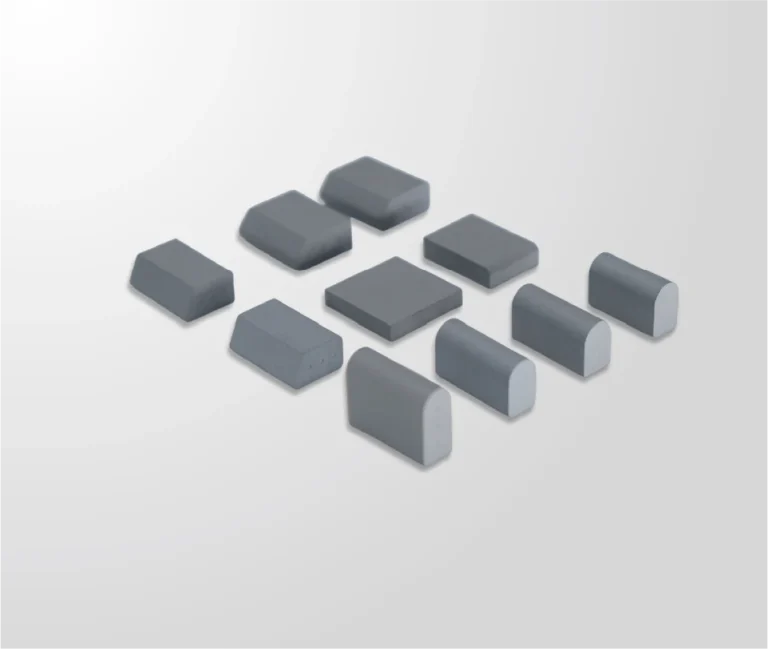
Carbide edges hold a sharp scraping profile that removes the bonded layer down to the aggregate, reducing the chemical load needed to meet friction targets. Rubber-encased segments flex to maintain contact on uneven surfaces, and isolated inserts survive impact without shattering. The right material turns mechanical removal into the primary tool and chemicals into the backup.
Where Even High-Performance Systems Fail
Systems fail when application timing is wrong, when blades are run with worn edges, when fitment mismatches cause uneven load, or when operators plow too fast for conditions. Prevention is a system: correct chemistry, timing, blade condition, and speed together. See why the TRS test matters for carbide inserts.
Matching Equipment to Operational Conditions
- Highways: carbide edges for abrasive packed ice.
- Urban streets: JOMA-style segments for noise and surface protection.
- Impact-heavy roads: I.C.E. isolated inserts.
- Light routes: steel remains cost-effective.
Small Operational Adjustments That Improve Ice Prevention
- Apply anti-icing before the storm window, not after bonding.
- Match blade angle to surface: 70° for scraping, 90° for pushing.
- Inspect edges weekly and replace worn inserts early.
- Reduce speed on uneven surfaces to prevent chatter.
- Re-check skid shoes to maintain consistent contact pressure.
FAQs
What is the best way to prevent road icing?
Combine anti-icing before snowfall, timely de-icing, and consistent mechanical removal with blades matched to the surface.
Why does ice bond so strongly to pavement?
Traffic compression, melt-freeze cycles, residual moisture, and asphalt micro-texture all increase bond strength.
Do carbide blades reduce salt use?
Yes — mechanical removal down to the aggregate cuts the chemical load needed to meet friction targets.
When should I switch from chemicals to mechanical removal?
Use anti-icing before bonding and mechanical removal as the primary response once snow and ice accumulate.
Related Articles
Official Resources
- SENTHAI — Carbide Snow Plow Blades
- SENTHAI — Replaceable Carbide Inserts
- SENTHAI — Contact for Ice Control Programs
References
- Winter maintenance best practices for anti-icing and de-icing, 2025–2026.
- SENTHAI field data on mechanical ice removal performance.
Related articles
 Best Snow Plow Blade Family for Your Fleet: Top 5 ScenariosKnowledge
 Top 10 Snow Plow Blade Types for Winter Fleets (Ranked by Duty Fit)Knowledge
 Top 5 Best Carbide Blade Configurations for Highway PlowingKnowledge
 Best Snow Plow Blade Materials Ranked: Steel vs Carbide vs Cladding vs Rubber-CarbideKnowledge