




Why Is Your Snow Plow Blade Vibration Causing Operator Burnout?
Snow plow blade vibration causes operator burnout by transferring continuous shock to the cab — increasing fatigue, reducing clearing speed, and forcing multiple passes that waste fuel and time. Rubber-carbide designs like SENTHAI's JOMA-style…
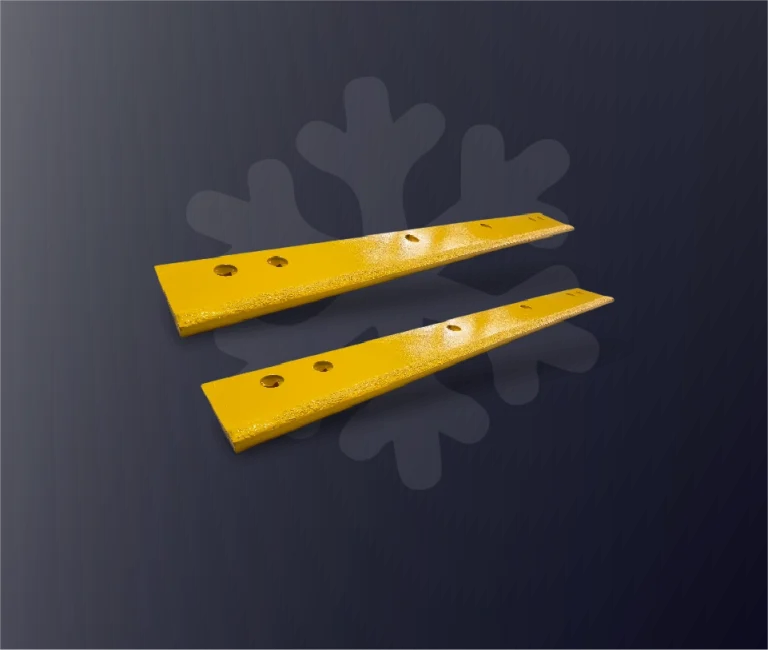
Snow plow blade vibration causes operator burnout by transferring continuous shock to the cab — increasing fatigue, reducing clearing speed, and forcing multiple passes that waste fuel and time. Rubber-carbide designs like SENTHAI’s JOMA-style and I.C.E. blades absorb that shock and improve ice penetration, keeping drivers comfortable through long shifts.
(Last modified date: September 2, 2026)
Quick definition: Continuous low-frequency vibration transfers through the cab, causing back pain, neck strain, and hand-arm vibration syndrome.
Key Takeaways
- Continuous low-frequency vibration causes back pain, neck strain, and hand-arm vibration syndrome.
- Steel edges bounce and skip; they glide over packed ice instead of penetrating it.
- Rubber carbide blades absorb shock before it reaches the moldboard and cab.
- Fleets report 20–30% higher driver satisfaction and 2,500–3,500-mile change intervals with rubber-carbide edges.
What Are the Real Costs of Snow Plow Blade Vibration for Operators?
Continuous low-frequency vibration transfers through the cab, causing back pain, neck strain, and hand-arm vibration syndrome. Drivers compensate by slowing down, which reduces clearing speed, increases passes, and burns more fuel. Fleets report a 20–30% drop in driver satisfaction scores when using standard steel blades in heavy ice conditions. See why your blade skips on hard-packed snow.
| Parameter | Steel Blade | Rubber Carbide Blade (JOMA Style) |
|---|---|---|
| Vibration level (1–10) | 8 | 3 |
| Average clearing speed | 15 mph | 22 mph |
| Driver fatigue rating (post-shift) | Very high | Low |
| Blade change interval (miles) | 500–800 | 2,500–3,500 |
Why Do Standard Steel Blades Cause Bouncing and Poor Ice Penetration?
Steel edges have zero flexibility — they skip and chatter on uneven pavement instead of conforming to the road surface. Smooth steel glides over packed ice rather than penetrating, forcing drivers to increase down pressure, which worsens vibration. Contact with pavement and salt accelerates edge rounding after just a few hundred miles. One operator shared: “I felt like I was fighting the plow instead of the snow.” See the correct JOMA blade installation gap.
How Does a Rubber Carbide Plow Blade Absorb Road Shock?
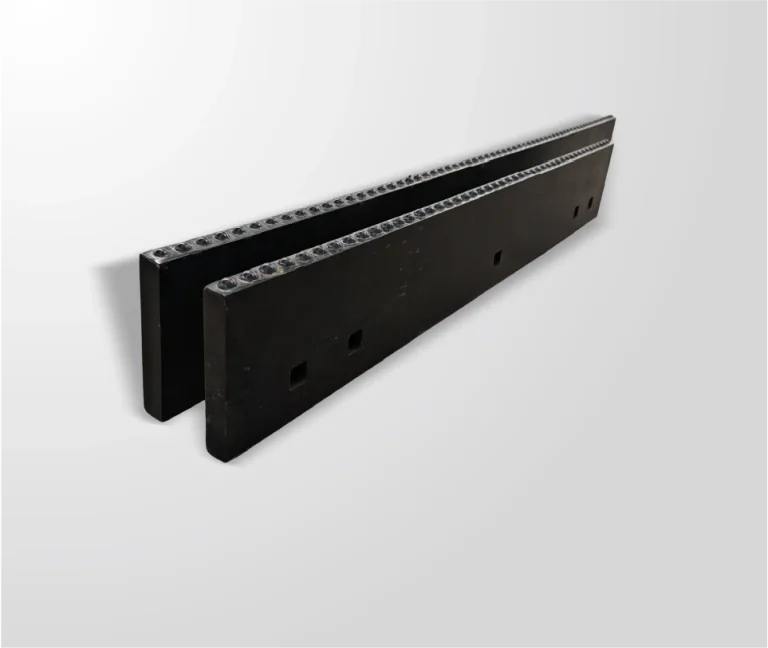
The flexible rubber shell — an ultra-low-temperature-resistant compound — acts as a dampener, absorbing shock before it reaches the moldboard and cab. Tungsten carbide cutting edges stay sharp 3–5 times longer than steel, reducing contact chatter. SENTHAI’s automated welding and vulcanization process keeps carbide firmly embedded, preventing insert pop-out. Operators report a “night and day” difference: smoother ride, less noise, and the ability to maintain speed through rough intersections.
What Makes SENTHAI’s JOMA Style and I.C.E. Blades Different?
JOMA-style blades use rubber-encased cast steel segments with brazed carbide inserts for vibration damping and quiet operation. I.C.E. blades use isolated carbide inserts that contain impact damage locally on rough routes. Both are built on automated, ISO-certified lines with batch traceability. See JOMA vs I.C.E. series comparison.
Can the Right Blade Really Improve Efficiency and Reduce Salt Use?
Yes. A blade that penetrates ice on the first pass reduces rework passes and salt over-application. Consistent edge contact lowers fuel burn and keeps crews on schedule — measurable benefits on every route. See packed ice carbide kits.
How Do I Choose Between JOMA Style and I.C.E. Blades?
Choose JOMA-style for noise- and vibration-sensitive routes, residential and commercial lots, and flexible contour-following. Choose I.C.E. for impact-heavy routes with potholes, joints, and debris where localized damage containment matters most.
What Do Real-World Operators Say?
Operators switching to SENTHAI carbide blades report smoother rides, less fatigue, and faster route completion. Fleets see higher driver retention and fewer injury-related absences during peak season.
How Does SENTHAI’s Automated Production Ensure Consistency?
Wet grinding, pressing, vacuum sintering, welding, and vulcanization run on automated lines, so every blade matches bonding and geometry specs. That consistency is what keeps vibration low across the whole fleet, not just the first blade. See high-impact ice scraper blades for winter roads.
FAQs
How long does a SENTHAI carbide blade last compared to steel?
Change intervals typically rise from 500–800 miles for steel to 2,500–3,500 miles for rubber-carbide edges.
Will SENTHAI blades fit my existing plow mount?
Yes — JOMA-style and I.C.E. blades fit standard moldboards with verified bolt patterns and hardware.
Do rubber-carbide blades work in extreme cold (-30°C / -20°F)?
Yes — the rubber compound is rated for ultra-low temperatures and carbide maintains toughness in sub-zero duty.
Can I order a custom carbide layout for my fleet?
Yes — SENTHAI supports custom insert layouts and geometries for OEM and fleet programs.
Related Articles
- Why Your Blade Skips on Hard-Packed Snow
- JOMA vs I.C.E. Series
- JOMA Installation Gap
- High-Impact Ice Scraper Blades
Official Resources
- SENTHAI — Packed Ice Carbide Kits
- SENTHAI — Carbide Snow Plow Blades
- SENTHAI — Contact for Vibration-Free Blades
References
- SENTHAI field data on operator fatigue and blade vibration, 2026.
- Fleet satisfaction surveys from North American winter operations.
Related articles
 Best Snow Plow Blade Family for Your Fleet: Top 5 ScenariosKnowledge
 Top 10 Snow Plow Blade Types for Winter Fleets (Ranked by Duty Fit)Knowledge
 Top 5 Best Carbide Blade Configurations for Highway PlowingKnowledge
 Best Snow Plow Blade Materials Ranked: Steel vs Carbide vs Cladding vs Rubber-CarbideKnowledge