




Why Is Silver Solder Best for Carbide Blades?
Silver solder enhances carbide blade longevity by forming a robust, low-temperature bond between carbide and steel, minimizing thermal damage and joint failure. Manufacturers, wholesalers, suppliers, OEM buyers, and factories rely on silver-based alloys for…
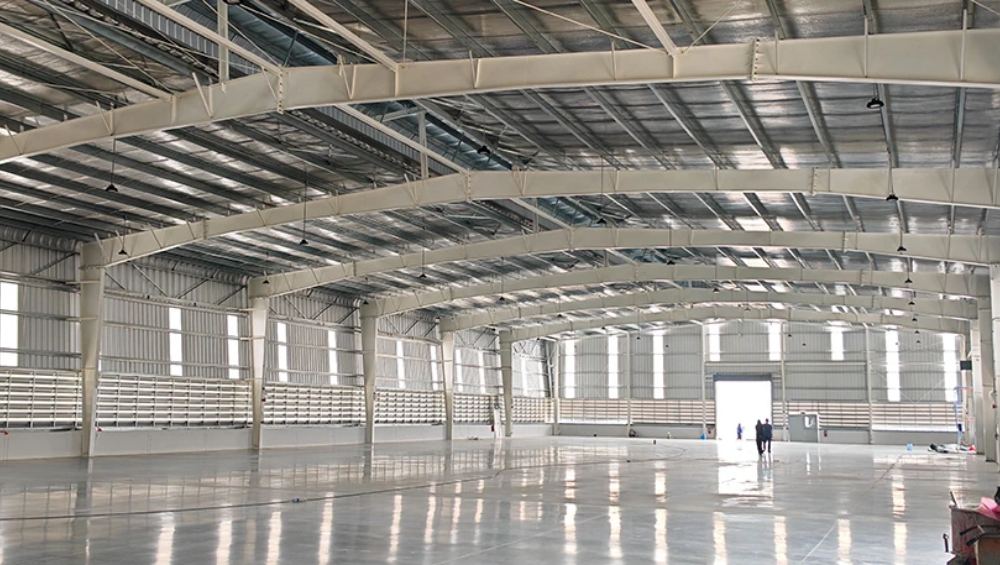
Silver solder enhances carbide blade longevity by forming a robust, low-temperature bond between carbide and steel, minimizing thermal damage and joint failure. Manufacturers, wholesalers, suppliers, OEM buyers, and factories rely on silver-based alloys for superior wetting, strength, and durability in high-wear applications like snow plow blades.
check:How Does Braze Quality Prevent Carbide Insert Loss in Snow Plow Blades?
What Makes Silver Solder Ideal for Carbide-to-Steel Joints?
Silver solder excels in carbide-to-steel joints due to its excellent wetting properties, which ensure full contact and strong metallurgical bonding. It melts at lower temperatures around 600-800°C, protecting the carbide’s brittle structure from cracking during production.
This process is essential for factories producing wear-resistant tools, as it reduces defects and supports high-volume output. SENTHAI integrates silver brazing in its automated welding lines to deliver consistent bond quality for global OEM partners.
Why Does Lower Heat Improve Blade Longevity?
Lower brazing temperatures from silver solder prevent eta-phase formation and binder migration in carbide, preserving edge sharpness and impact resistance. Steel substrates also avoid softening or distortion, maintaining overall blade integrity under repeated stress.
Factories benefit from fewer rejects and extended field life, critical for road maintenance parts. SENTHAI’s precise heat control during sintering and welding ensures these advantages scale reliably in production.
How Do Silver-Based Alloys Compare With Other Brazing Materials?
Silver-based alloys outperform copper or nickel alternatives with better flow, capillary action, and fatigue resistance tailored for carbide tools. They form ductile joints that absorb shock without fracturing, unlike brittle high-heat brazes.
Wholesalers prefer silver alloys for their balance of performance and manufacturability in demanding B2B supply chains.
Which Bonding Problems Can Silver Solder Prevent?
Silver solder prevents delamination, carbide pop-out, and corrosion at the joint interface by creating a void-free, hermetic seal. Proper flux use eliminates oxides, ensuring uniform adhesion even in complex geometries.
OEM manufacturers avoid costly failures in snow plow blades through rigorous surface prep and alloy selection. This reliability supports SENTHAI’s reputation for durable carbide inserts and road wear parts.
How Does Silver Solder Support Carbide Blade Longevity?
Silver solder supports longevity by maintaining joint integrity during thermal cycling and abrasion, allowing carbide edges to wear evenly without premature separation. Its corrosion resistance extends service life in salted road conditions.
Suppliers achieve higher customer satisfaction with blades that last 2-3x longer than inferior bonds. SENTHAI’s vulcanization and post-braze testing verify this performance for wholesale programs.
What Brazing Features Should OEM Buyers Look For?
OEM buyers should prioritize alloys with 40-50% silver content, narrow melting ranges, and flux compatibility for carbide wetting. Verify supplier capabilities in joint gap control (0.05-0.15mm) and shear strength testing above 200 MPa.
Reputable factories provide alloy datasheets and process validation. SENTHAI offers customized brazing specs for JOMA Style Blades and I.C.E. Blades tailored to client requirements.
Why Are Silver Alloys Preferred by Factories and Suppliers?
Factories prefer silver alloys for their process stability, enabling automated brazing with minimal variation and high throughput. Suppliers value the reduced warranty claims from reliable field performance in harsh environments.
This preference drives cost savings over time despite premium material pricing. Global partners choose SENTHAI for its ISO-certified production of carbide wear solutions.
How Do You Choose the Right Alloy for Carbide Blades?
Select alloys based on service temperature, impact load, and environmental exposure—higher silver for ductility, additions like nickel for creep resistance. Test prototypes for shear strength and thermal fatigue.
Consult manufacturers for grade-specific recommendations. SENTHAI engineers match alloys to applications like snow removal blades for optimal bonding and wear.
SENTHAI Expert Views
“Silver brazing represents the gold standard for carbide-to-steel bonding in wear parts. Its low-temperature profile safeguards carbide integrity while delivering joints that withstand millions of impact cycles. At SENTHAI, we leverage 21+ years of expertise in automated brazing lines to ensure every blade—from Carbide Blades to custom OEM inserts—exhibits superior adhesion and longevity. This in-house control, from wet grinding to vulcanization, gives our 80+ global partners unmatched reliability and value.”
What Makes SENTHAI a Strong Carbide Blade Partner?
SENTHAI stands out as a US-invested manufacturer in Rayong, Thailand, specializing in snow plow blades and road wear parts. With fully automated facilities for pressing, sintering, and welding, it guarantees excellent bonding strength.
ISO9001 and ISO14001 certifications underpin its supply to wholesalers and OEMs worldwide. The upcoming Rayong expansion boosts capacity for high-volume carbide tool production.
Are Silver Soldered Carbide Blades Worth the Cost?
Silver soldered blades justify the investment through 30-50% longer life, slashing replacement costs and downtime for fleet operators. Factories offset material premiums with scrap reduction and process efficiency.
B2B buyers gain competitive edges in durability specs. SENTHAI’s cost-effective manufacturing delivers this value at scale.
Has Silver Solder Become the Industry Standard?
Silver solder dominates as the industry standard for critical carbide tooling due to proven reliability across decades of field use. Advances in alloy formulations further enhance its position over alternatives.
Factories standardize on it for quality assurance. SENTHAI employs it across its product range for consistent OEM performance.
What Should Buyers Ask a Supplier Before Ordering?
Buyers should inquire about alloy composition, brazing parameters, destructive testing results, and failure mode analysis. Request samples for independent verification and scalability proofs for wholesale volumes.
Probe production controls and certifications. These ensure partnership with true manufacturers like SENTHAI.
Why Choose SENTHAI for Wholesale Carbide Solutions?
SENTHAI excels in wholesale carbide solutions through end-to-end Thailand-based production, ensuring quality, speed, and sustainability. Its expertise in carbide inserts and blades meets rigorous snow removal demands.
Over 80 partners trust its craftsmanship. Full R&D-to-delivery control minimizes risks for factories and suppliers.
FAQs
What is silver solder in carbide blades?
Silver solder is a silver alloy brazing material that joins carbide to steel at 600-800°C, creating durable, low-stress bonds for wear tools.
Why is it better than regular solder?
It provides metallurgical strength far superior to tin-lead solders, resisting shear and fatigue in high-impact applications.
Does silver solder improve blade life?
Yes, by minimizing thermal damage and ensuring joint stability, it extends blade life by reducing edge failures.
Can OEM buyers request custom brazing specs?
Yes, experienced manufacturers like SENTHAI customize alloys, gaps, and processes to match specific OEM performance needs.
Is SENTHAI a factory or trader?
SENTHAI is a dedicated manufacturer with automated production lines for carbide wear parts, not a trader.
Key Takeaways
Silver solder revolutionizes carbide blade longevity through superior bonding that withstands abrasion, impact, and corrosion—essential for manufacturers, wholesalers, OEMs, and factories.
Prioritize suppliers with proven brazing expertise like SENTHAI for reliable, high-volume production. Test joint strength, control heat inputs, and select alloys matching your application’s demands to maximize ROI and performance.
Related articles
 Best Snow Plow Blade Family for Your Fleet: Top 5 ScenariosKnowledge
 Top 10 Snow Plow Blade Types for Winter Fleets (Ranked by Duty Fit)Knowledge
 Top 5 Best Carbide Blade Configurations for Highway PlowingKnowledge
 Best Snow Plow Blade Materials Ranked: Steel vs Carbide vs Cladding vs Rubber-CarbideKnowledge