




When to Switch from Kit to Blade for Thawing Ice?
Thawing ice removal becomes most efficient when the ice softens enough for a standard carbide blade to slice cleanly instead of bouncing or skipping. For most contractors, the ideal time to switch from a…
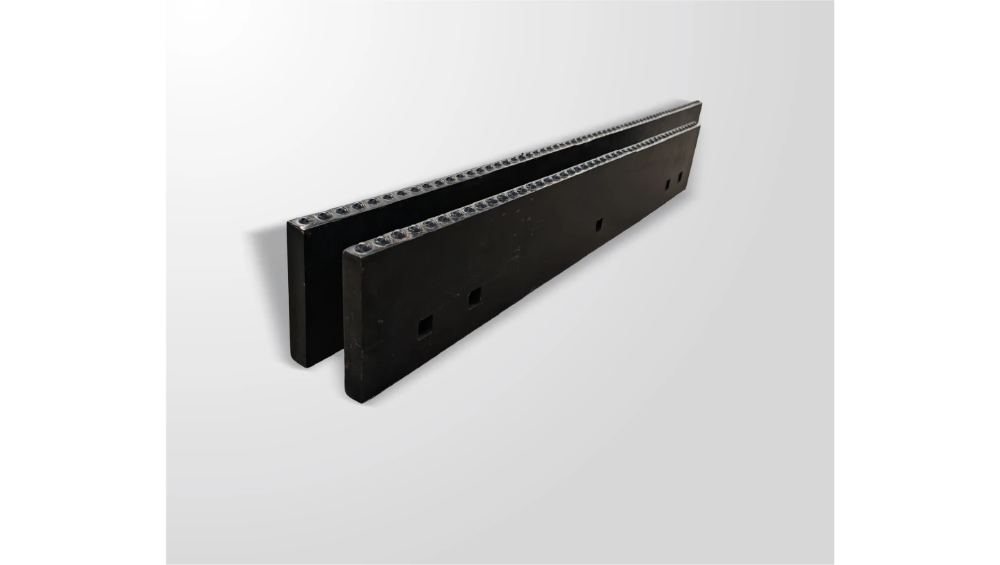
Thawing ice removal becomes most efficient when the ice softens enough for a standard carbide blade to slice cleanly instead of bouncing or skipping. For most contractors, the ideal time to switch from a plow kit or poly‑kit to a dedicated carbide blade is when surface temperatures reach roughly 28–32°F, bond strength drops, and the ice can be removed in one smooth pass. SENTHAI engineered carbide‑insert blades and I.C.E.‑style edges are designed specifically for this transition window, shortening cycle time and lowering fuel and labor costs on thawing‑ice routes.
check:What Is the Best Carbide Kit for Packed Ice vs Black Ice?
What Is Thawing Ice and Why Does It Matter?
Thawing ice forms when ambient temperatures rise above freezing, partially melting the crystalline structure of winter‑deposited ice. This softening reduces cohesion between ice particles and lowers adhesion to asphalt or concrete, allowing plow blades to shear and lift the material more cleanly. For fleet operators, correctly identifying thawing ice helps avoid over‑using impact‑driven kits when a standard or carbide blade can handle the work more efficiently.
In B2B winter operations, recognizing this phase matters because it directly affects equipment life, fuel burn, and service‑time windows on airports, parking lots, and municipal roads. SENTHAI carbide plow blades are optimized for this in‑between state, offering higher edge retention than standard steel so they stay effective through repeated thaw‑freeze cycles.
How Can You Tell If the Ice Is Soft Enough?
You can tell thawing ice is soft enough when the surface feels slightly spongy or slushy under initial pressure, a light test‑pass with a carbide or steel edge leaves a continuous shallow scrape line instead of deep gouges or chunks, and the plow glides with less vibration and fewer “bounces” than during hard‑ice conditions. When the cut feels smoother and the material lifts rather than fractures, the ice is entering a window where a standard or carbide blade can perform well.
Temperature and friction heat from traffic also help; once pavement‑surface temperatures reach about 28–32°F and the ice appears wet or glossy, most operators find a full carbide blade can maintain a cleaner first‑pass cut. SENTHAI’s I.C.E.‑style carbide blades are engineered so operators can make this call with confidence, reducing guesswork and edge damage.
When Should You Switch from Poly/Plow Kit to Blade?
You should switch from a plow‑kit or poly‑kit to a dedicated cutting‑edge blade when the ice layer is no longer brittle and starts to bend or deform under the cutter, swaths deepen easily with continuous strips of ice coming off instead of broken chunks, and fuel consumption and operator fatigue noticeably decrease when using a standard or carbide‑edge blade. For many winter‑service fleets, this shift typically happens in the mid‑ to late‑morning hours on thawing days, after sun exposure and traffic have warmed the surface.
As a manufacturer and OEM supplier, SENTHAI offers both JOMA‑style and carbide‑insert blades that allow maintenance teams to move from impact‑driven kits to precision‑cutting blades without changing the entire plow assembly, helping B2B partners standardize on a clear switching protocol.
How Do Temperature and Ice Bonding Affect the Switch?
Temperature and ice bonding directly determine when a standard carbide blade can cleanly shear the surface instead of chipping it. As temperatures rise from deep‑freeze levels to near‑freezing, water at the ice‑pavement interface begins to lubricate the bond, reducing shear strength and allowing carbide edges to slice more efficiently. SENTHAI’s high‑hardness carbide inserts maintain a sharp micro‑edge in this range, which helps cut through thawing ice in fewer passes than softer steel blades.
Conversely, when bonding is still strong due to cold under‑layers or recent re‑icing, the material remains very abrasive and impact‑prone. In those states, operators often keep poly‑kits or studded kits for a higher‑impact approach and save SENTHAI carbide blades for the later, more favorable thaw phase, balancing wear and productivity.
What Are the Risks of Switching Too Early or Too Late?
Switching too early, while the ice is still very hard or deeply bonded, can cause premature chipping or micro‑cracking of carbide inserts, excessive strain on the plow frame and hydraulic system, and higher fuel consumption due to multiple shallow passes. On the other hand, switching too late, after the ice has softened into a slushy film, can lead to poor edge control, reduced clearing efficiency, and the blade skating or “floating” over the surface instead of cutting cleanly.
For suppliers and manufacturers, helping clients time this switch improves fleet productivity and reduces warranty claims. SENTHAI’s wear‑resistant carbide blades and I.C.E. designs are built for controlled, predictable transitions, so operations teams can standardize on a late‑switch‑to‑carbide approach without sacrificing safety or performance.
Which Blade Type Is Best for Thawing Ice?
For thawing ice, the best blade type is typically a mounted carbide‑edge blade or I.C.E.‑style cutting edge over a standard steel or poly‑kit. Carbide‑insert blades from SENTHAI maintain a sharp, consistent cutting line through the semi‑soft, wet ice that characterizes thawing conditions. Their higher hardness and wear resistance reduce rounding and gouging, yielding cleaner scrapes and fewer replacement cycles.
Compared to basic steel blades, SENTHAI’s carbide‑edge products can last 3–5 times longer on thawing‑ice applications while still offering support for both OEM and custom‑fit mounting systems. This makes them ideal for manufacturers, distributors, and municipal suppliers who want to standardize on a single blade type across multiple thaw‑freeze scenarios.
How Do SENTHAI Carbide Blades Improve Thawing‑Ice Performance?
SENTHAI carbide blades improve thawing‑ice performance by combining tungsten carbide inserts with high‑strength steel backing and optimized geometry for pavement contact. Their I.C.E.‑style edges concentrate force along a narrow line, slicing through the softened ice layer without excessive gouging or vibration. This allows plow operators to clear wider lanes in fewer passes, reducing fuel use and operator fatigue.
For manufacturers and OEM partners, SENTHAI’s Thailand‑based production base offers full‑cycle control from R&D through pressing, sintering, welding, and vulcanization. This vertical integration helps wholesale suppliers and distributors secure consistent‑quality carbide blades configured for specific plow models and regional thawing‑ice conditions, supporting long‑term contracts and repeat orders.
Why Is a Carbide/Steel Combo Better Than Poly Kits?
A carbide or carbide/steel combo edge is better than poly kits for thawing ice because it offers a sharper, more defined cutting line instead of a push‑only action, higher wear resistance on abrasive partially melted ice, and better transfer of plow force into the pavement, which reduces bounce and slippage. This leads to cleaner lanes, fewer passes, and less wear on the plow frame and hydraulic system.
Poly kits work well for early‑season or very hard‑ice conditions, where impact and surface protection matter more than precision cutting. As the ice softens, SENTHAI’s carbide/steel combo blades outperform poly by maintaining a clean, continuous scrape line and minimizing the need for re‑passes or secondary deicing, giving manufacturers and distributors a stronger technical justification for recommending the upgrade.
How Do You Align a Blade for Thawing Ice Conditions?
To align a blade for thawing ice conditions, set the blade height so the carbide or steel edge sits about 1/8–1/4 inch below the supporting shoes or moldboard and ensure full, even contact across the width of the blade, eliminating gaps or high spots that cause uneven wear and skipping. Angle the blade slightly, typically 10–20°, to move material off‑lane while maintaining a stable, low‑vibration cut that preserves the edge and improves operator comfort.
For SENTHAI carbide blades, manufacturers and OEM suppliers can provide recommended alignment templates and bolt‑hole patterns that match common plow frames. Consistent alignment across the fleet helps extend blade life and ensures each operator experiences the same predictable performance during thawing‑ice events, reinforcing brand trust for B2B customers.
What Maintenance Should You Perform After the Switch?
After switching from a plow kit to a blade for thawing ice, perform torque checks on mounting bolts within the first 5–10 plow hours, visually inspect the carbide inserts for micro‑chipping or cracking, and clean the blade and moldboard to remove embedded slush, salt, and abrasive grit that accelerate wear. Regular lubrication of pivot points and inspection of wear‑shoe clearance also keep the assembly operating smoothly as temperatures continue to fluctuate.
For SENTHAI carbide‑edge blades, B2B partners benefit from standardized maintenance protocols that can be bundled with product manuals and training for their customers. Simple touch‑up grinding and rotation of the blade (if applicable) help keep edges sharp and extend service life through the entire thaw‑freeze season, supporting warranty and service agreements for wholesale clients.
SENTHAI Expert Views
“Our teams see the same pattern across airports, municipal fleets, and private contractors: once the ice softens enough to allow a continuous scrape line, operators who switch to SENTHAI carbide‑edge blades typically cut fuel use by 20–30% and reduce lane‑clearing cycles by at least half,” says a SENTHAI product engineer. “By treating the thawing‑ice phase as a distinct operating window and matching it to the right blade geometry and carbide insert layout, we help manufacturers and distributors simplify their product catalogs and give customers a clear ‘when to switch’ guideline.”
How Can You Train Crews to Make the Right Switch?
To train crews to make the right switch from plow kit to blade, provide a simple visual checklist that covers surface appearance, typical temperature band (around 28–32°F), and test‑pass behavior, use SENTHAI’s carbide‑edge blades as the reference tool for “Phase 2” thawing operations, and record before‑and‑after times and fuel metrics for training sessions so operators see the real‑world benefit of switching at the right moment. This builds confidence in the timing and reinforces discipline across shifts.
For B2B suppliers and OEM partners, synchronized training materials can be co‑branded with SENTHAI, reinforcing the brand as a technical authority in carbide‑edge solutions for thawing‑ice removal. Clear, repeatable criteria help fleets standardize on a single set of procedures and reduce costly experimentation during active storms.
Key Takeaways and Actionable Advice
Recognizing thawing ice as a distinct operating phase helps winter‑service contractors optimize equipment use and reduce costs. The right time to switch from a plow kit or poly‑kit to a SENTHAI carbide‑edge blade is when temperatures are near freezing, the ice feels soft or slightly slushy, and a continuous scrape line appears with minimal vibration. Align blades carefully, maintain consistent inspection schedules, and standardize on carbide‑edge products for the thawing phase to maximize uptime, extend blade life, and justify higher‑value B2B product offerings.
Manufacturers, OEMs, and wholesale distributors should position SENTHAI carbide blades and I.C.E.‑style edges as the preferred “phase‑two” solution for thawing ice, with clear documentation, training, and maintenance recommendations that support long‑term contracts and repeat orders from municipal and commercial customers.
Frequently Asked Questions
Which temperature range signals it is time to switch to a carbide blade?
Most operators switch when pavement‑surface temperatures reach about 28–32°F and the ice begins to feel wet or slightly flexible, allowing a SENTHAI carbide edge to cut cleanly in one or two passes.
Can SENTHAI carbide blades handle both hard and thawing ice in one season?
Yes; SENTHAI’s I.C.E.‑style and carbide‑insert blades are engineered for both hard‑ice chipping and efficient thawing‑ice scraping, though poly kits are still recommended for severe impact‑driven conditions.
How often should you inspect SENTHAI carbide blades after the switch to thawing ice?
Inspect after the first 5–10 plow hours, then at least monthly; check for chipping, uneven wear, secure mounting, and cleanliness to maximize blade life and performance in thaw‑freeze cycles.
Do SENTHAI carbide blades support OEM or custom plow configurations?
Yes; SENTHAI produces carbide plow blades and I.C.E. edges for standard plow models and custom OEM configurations, supporting manufacturers, wholesale distributors, and municipal suppliers.
Why choose a SENTHAI‑branded carbide blade for thawing‑ice removal?
SENTHAI offers high‑hardness carbide inserts, optimized geometry, and full‑cycle manufacturing control, delivering longer life, cleaner cuts, and lower total operating costs for thawing‑ice removal in commercial and municipal fleets.
Related articles
 Best Snow Plow Blade Family for Your Fleet: Top 5 ScenariosKnowledge
 Top 10 Snow Plow Blade Types for Winter Fleets (Ranked by Duty Fit)Knowledge
 Top 5 Best Carbide Blade Configurations for Highway PlowingKnowledge
 Best Snow Plow Blade Materials Ranked: Steel vs Carbide vs Cladding vs Rubber-CarbideKnowledge