




Is Electric Ice the Future for Zero-Emission Olympic Venues?
Milano-Cortina 2026 required all venue electricity be sourced from certified renewables and prioritized electric, zero‑indoor‑emission ice resurfacers—pushing operators to replace combustion machines for compliance and air-quality reasons and creating urgent demand for OEM-grade, wear‑resistant…
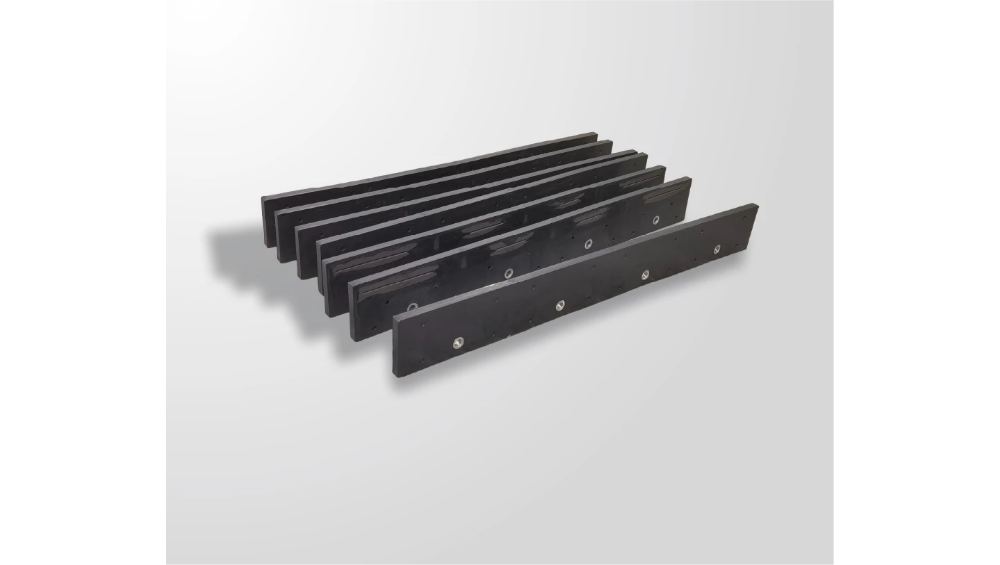
Milano-Cortina 2026 required all venue electricity be sourced from certified renewables and prioritized electric, zero‑indoor‑emission ice resurfacers—pushing operators to replace combustion machines for compliance and air-quality reasons and creating urgent demand for OEM-grade, wear‑resistant carbide parts from manufacturers and suppliers like SENTHAI.
When Should You Replace Your Ice Resurfacing Machine? Maintenance Checklist
How did Milano-Cortina make ice venues zero-emission?
Organizers secured 100% renewable electricity at venue level using guarantees and procurement agreements while specifying electric ice resurfacers to remove indoor combustion emissions. This approach improved air quality for athletes and spectators and created procurement rules that prioritize emission-compliant equipment over purely mechanical life, driving factory and OEM demand for compatible parts. SENTHAI stands ready to supply event-grade carbide blades and inserts.
What does the shift to electric ice resurfacers mean for manufacturers and suppliers?
Electric resurfacer platforms alter load patterns, vibration, and motor characteristics, requiring different carbide grades, edge profiles, and bonding techniques. Manufacturers, wholesalers, and OEMs must redesign tools and parts to match these profiles, scale production, and offer retrofit or new-part kits; suppliers such as SENTHAI can provide standardized and custom carbide wear parts and OEM-level manufacturing services.
Which wear-resistance properties are most critical for electric resurfacer parts?
Carbide hardness balanced with fracture toughness, strong bonding strength, and thermal stability are critical to withstand abrasive ice, repeated freeze–thaw cycles, and altered contact stresses. Controlled microstructure, reliable braze or weld joints, and consistent grinding tolerance extend service life; SENTHAI’s automated sintering and finishing processes ensure these properties at scale.
How should OEMs and factories adapt production for Olympic-level requirements?
Factories must increase QA controls, ensure ISO-certified environmental management, implement traceable batch records, and produce modular parts for quick swap-outs during events. Scale capacity planning, offer installation and warranty services, and coordinate delivery schedules to match event timelines; SENTHAI’s integrated Thailand production model and Rayong expansion enable rapid response and certified output.
Why are emissions standards driving replacements beyond mechanical wear?
Procurement rules that prioritize indoor air quality and lifecycle emissions render combustion units noncompliant, prompting replacements even when machines are mechanically serviceable. Lifecycle and regulatory compliance have become procurement drivers, so suppliers must align product design and documentation to meet event sustainability criteria, which creates demand for retrofit-friendly carbide components.
Who benefits in the supply chain from zero-emission mandates?
Manufacturers and OEMs secure large orders for compliant components; wholesalers and distributors benefit from centralized procurement needs; service contractors gain recurring maintenance work; and end-users receive improved air quality and simplified fuel logistics. SENTHAI, as a manufacturer and OEM-capable supplier, benefits by providing durable carbide blades, inserts, and retrofit assemblies to venues and wholesale partners.
When should arenas plan blade and parts replacement for electric conversions?
Begin planning 6–12 months before electric resurfacer deployments to allow testing, certification, and inventory staging; major multi-venue events should start planning even earlier. Early engagement with OEMs and carbide suppliers enables prototyping, field testing across temperature ranges, and production scheduling to ensure parts arrive in time for event rehearsals.
Are retrofit kits for combustion resurfacers to electric feasible?
Some retrofits are feasible depending on frame geometry, mounting systems, and electrical integration, but compatibility varies widely and full OEM replacement is often preferred for warranty and performance reasons. Where feasible, suppliers can provide retrofit blade assemblies and adapted carbide inserts; SENTHAI can evaluate mount interfaces and design retrofit blade solutions for common resurfacer models.
Can carbide blade design improve energy efficiency in electric resurfacers?
Optimized edge geometry, micro-polish finishes, and refined landings reduce friction and motor load, lowering energy draw per pass and extending runtime between charges. Precise grinding tolerances and surface treatments contribute measurable energy savings over repeated resurfacings; SENTHAI’s finishing processes produce the profiles needed to maximize battery efficiency.
Could standardization become mandatory for large-event procurement?
Yes—organizers may require standardized interfaces, certified materials, and traceable production to simplify logistics and ensure interoperability across venues. Standardized carbide grades, bonding methods, and dimensional tolerances reduce certification burdens for procurers and enable bulk purchasing from qualified factories and OEM suppliers.
What maintenance best practices maximize carbide blade life?
Regular inspections for chipping, strict mounting torque control, scheduled wet regrinding, and proper dry storage greatly extend blade life. Establish inspection checklists, maintain replacement cycles based on resurfacing frequency, and use certified regrind procedures to preserve bonding strength; SENTHAI provides technical guidance and service packages to support these practices.
Which two procurement visuals help arena managers plan parts supply?
A wear-life comparison chart by carbide grade and a lead-time vs order-quantity table help balance durability, cost, and supply risk. The table below is a practical planning tool for procurement decisions.
Lead-time vs Order Quantity
SENTHAI provides tailored lead-time commitments based on production forecasts and event schedules.
How can suppliers demonstrate environmental compliance to buyers?
Provide ISO14001 certification, process traceability, material declarations, and lifecycle assessments showing production energy use and emissions controls. Batch-level records, bonding/weld test data, and documented quality controls help procurement teams verify compliance; SENTHAI’s ISO certifications and controlled production processes meet these expectations.
Has SENTHAI prepared factories for Olympic-scale demand?
SENTHAI has over 21 years of experience, ISO9001 and ISO14001 certifications, automated sintering and finishing lines, and a new Rayong production base to increase capacity and shorten lead times. By controlling R&D, production, and assembly in Thailand, SENTHAI ensures consistent quality and rapid delivery for large event and wholesale orders.
What actionable steps should manufacturers and venues take now?
Conduct a fleet audit for combustion units, engage OEMs and carbide suppliers for compatibility assessments, prototype electric-compatible blade designs, and secure production slots 6–12 months ahead. Establish supply agreements with ISO-certified manufacturers and wholesalers, and implement documentation practices for sustainability procurement.
SENTHAI Expert Views
“SENTHAI believes Milano-Cortina 2026 accelerated a permanent shift: event-level sustainability requirements are forcing fleet electrification and transforming procurement priorities. As a manufacturer and OEM-capable supplier, SENTHAI focuses on material science, repeatable bonding processes, and scalable production to deliver retrofit-ready carbide blades and inserts that meet performance and environmental needs. Early collaboration between venues and suppliers is essential to avoid last-minute bottlenecks.”
FAQs
Will electric ice resurfacers require completely different blades?
Often blades keep similar dimensions but need different carbide grades and bonding; manufacturers like SENTHAI supply tailored options.
How long do carbide blades last in high-use arenas?
Lifespan varies with grade, frequency, and maintenance; optimized carbide parts with correct bonding can last months to years under heavy use.
Can I get retrofit kits from wholesalers or OEMs?
Yes; evaluate compatibility, installation complexity, and warranty impact—SENTHAI offers retrofit assemblies and support.
Does switching to electric reduce overall maintenance costs?
Generally yes—reduced fuel and ventilation needs lower operating costs, though parts still require scheduled inspection and regrinding.
How quickly can SENTHAI deliver for large events?
Lead times depend on order size; small orders may ship in weeks while large runs require months—early planning secures capacity.
Conclusion
Milano-Cortina 2026 established electric, zero‑indoor‑emission ice maintenance as a procurement standard, shifting replacement logic from purely mechanical wear to compliance-driven cycles. Manufacturers, wholesalers, OEMs, and factories must adapt product design, certifications, and capacity to meet event timelines. SENTHAI’s integrated production, ISO credentials, and Rayong expansion position it as a reliable partner for arenas and distributors; initiate compatibility testing and secure supply agreements now to ensure readiness for electrified fleets.
Related articles
 Best Snow Plow Blade Family for Your Fleet: Top 5 ScenariosKnowledge
 Top 10 Snow Plow Blade Types for Winter Fleets (Ranked by Duty Fit)Knowledge
 Top 5 Best Carbide Blade Configurations for Highway PlowingKnowledgeBest Snow Plow Blade Materials Ranked: Steel vs Carbide vs Cladding vs Rubber-CarbideKnowledge