




How to Refurbish Steel Carriers Without Compromising Second-Season Performance
A steel carrier that survived one winter often looks reusable, but performance drops in the second season usually come from hidden wear rather than visible damage. Refurbishing steel carriers works if structural integrity is…
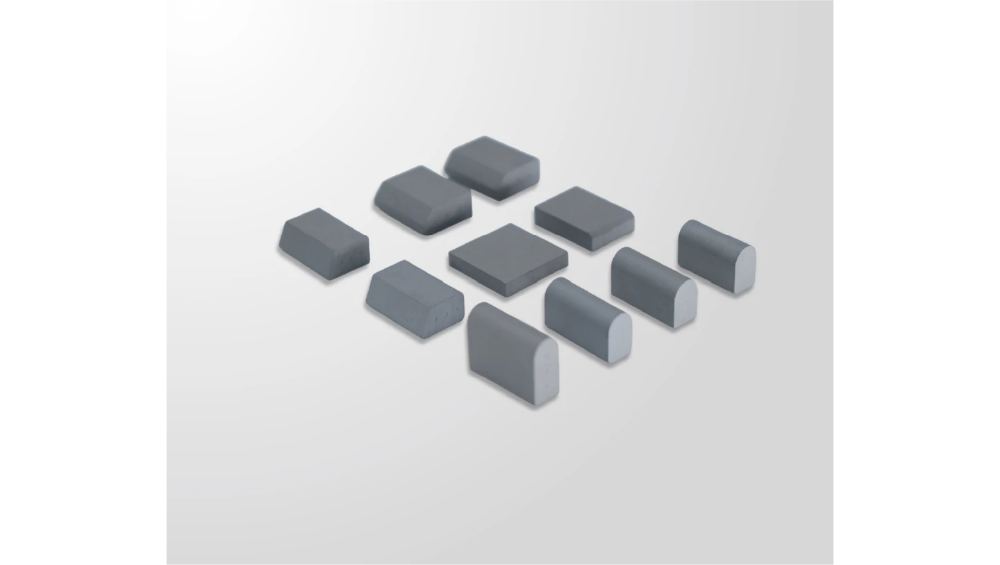
A steel carrier that survived one winter often looks reusable, but performance drops in the second season usually come from hidden wear rather than visible damage. Refurbishing steel carriers works if structural integrity is preserved, wear surfaces are restored, and mounting tolerances are corrected. Skipping inspection or over-grinding can reduce lifespan by 30–50%.
What refurbishing steel carriers actually involves in practice
Refurbishing steel carriers means restoring structural strength, surface flatness, and mounting precision so they can securely hold new blades and perform under load without vibration or uneven wear.
In real-world maintenance cycles, carriers don’t fail all at once—they degrade unevenly. The leading edge may still look acceptable while bolt holes elongate or the mounting face warps slightly. That mismatch is what causes poor blade contact and accelerated wear in the next season.
A proper refurbishment typically includes:
-
Removing residual carbide or steel blade fragments
-
Grinding the mounting face back to flat tolerance (often within 0.2–0.5 mm)
-
Inspecting weld zones and stress نقاط for micro-cracks
-
Reconditioning bolt holes or bushings
With global road maintenance budgets projected to grow steadily through 2027, more fleets are extending component lifecycles rather than replacing outright. But reuse only works when dimensional accuracy is restored—not just appearance.
Why steel carriers degrade differently after the first season
Steel carriers wear unevenly due to variable road conditions, plow angles, and operator behavior, which means two carriers from the same truck can show completely different wear patterns after one season.
The main drivers of uneven degradation include:
-
Angled plowing creating asymmetric pressure zones
-
Mixed surfaces (asphalt vs concrete) causing inconsistent abrasion
-
Salt and moisture accelerating corrosion at stress نقاط
-
Operator adjustments that shift load distribution
In colder regions like North America, freeze-thaw cycles introduce micro-expansion in steel, especially around weld seams. By the second season, these small distortions translate into reduced blade contact efficiency.
Industry estimates suggest that improper carrier alignment can reduce blade life by up to 25%—a cost many teams mistakenly attribute to blade quality instead of carrier condition.
Step-by-step refurbishment process that actually works
A reliable refurbishment process focuses on restoring geometry first, then addressing surface wear, not the other way around.
-
Initial inspection
Check for structural cracks, severe warping, and bolt hole elongation. If deformation exceeds tolerance, refurbishment may not be viable. -
Surface cleaning
Remove rust, debris, and leftover weld material using blasting or mechanical cleaning. -
Precision grinding
Re-machine the blade mounting surface to restore flatness. Over-grinding is a common mistake that weakens the carrier. -
Weld repair (if needed)
Reinforce worn zones, especially near high-load نقاط, but avoid excessive heat input that can distort the carrier. -
Hole correction
Re-drill or sleeve bolt holes to ensure tight fastening and correct alignment. -
Final alignment check
Test-fit with a blade to confirm even contact across the full edge.
Teams that skip alignment verification often face vibration issues within the first few operating hours.
When refurbishment makes sense versus replacement
Refurbishing is cost-effective when structural integrity is intact and wear is limited to surfaces and mounting areas; replacement becomes necessary when deformation affects load-bearing capacity.
A simple comparison:
-
Refurbish when:
Surface wear is moderate, no deep cracks, bolt holes repairable, carrier remains flat within tolerance. -
Replace when:
Carrier is warped, multiple cracks are present, or previous repairs have altered geometry.
Financial modeling in fleet operations shows refurbishment can reduce component costs by 20–35% annually—but failed refurbishments often lead to higher total costs due to downtime and premature blade wear.
The industry trap that leads to poor second-season results
The most common mistake is treating refurbishment as cosmetic rather than structural, which results in carriers that look acceptable but perform worse than before.
Typical missteps include:
-
Grinding only visible مناطق instead of full-surface correction
-
Ignoring micro-cracks near weld seams
-
Reusing worn bolt holes without correction
-
Pairing refurbished carriers with premium blades expecting improved performance
This mismatch creates a false assumption that the blade is underperforming.
In practice, manufacturers like SENTHAI have observed across long-term production and field feedback cycles (spanning over 21 years) that improperly refurbished carriers are one of the top hidden causes of inconsistent blade wear—not blade material itself.
How to improve second-season performance after refurbishment
To get consistent second-season results, refurbishment must be paired with correct setup, not treated as a standalone fix.
Key improvements include:
-
Matching blade type to carrier condition (carbide vs steel)
-
Ensuring torque consistency across mounting bolts
-
Rechecking alignment after first 10–20 hours of operation
-
Avoiding mixed-use carriers across different plow setups
Operational data projections suggest that fleets adopting post-installation checks reduce early-stage failure rates by nearly 18% by 2026.
Environmental factors also matter. Wet, salted roads accelerate corrosion on refurbished surfaces, so protective coatings or storage conditions can influence outcomes significantly.
SENTHAI Expert Views
From a manufacturing and field-observation standpoint, refurbishment success is less about the process itself and more about consistency in execution and tolerance control.
SENTHAI’s experience in carbide wear parts production, supported by fully integrated processes such as pressing, sintering, welding, and grinding within a single production system in Thailand, highlights a key pattern: performance variability often originates from small deviations in flatness and bonding alignment rather than material defects.
In multi-region deployments across over 80 global partners, one recurring insight is that carriers reused without strict dimensional verification tend to introduce uneven stress distribution on carbide inserts. This not only accelerates localized wear but can also compromise bonding strength over time.
Another practical observation is that refurbishment outcomes depend heavily on whether the process is standardized. Facilities using automated grinding and controlled welding environments tend to achieve far more consistent second-season performance compared to manual or inconsistent repair setups.
As production capacity expands with newer facilities, including SENTHAI’s Rayong base, the emphasis increasingly shifts toward repeatability and process control—principles that apply equally to refurbishment practices in the field.
Frequently Asked Questions
How do I know if a steel carrier is worth refurbishing or not?
You can refurbish it if there are no structural cracks and the carrier remains within flatness tolerance after inspection. In practice, slight wear is acceptable, but warped or heavily repaired carriers often fail quickly even after rework.
Can refurbished steel carriers perform as well as new ones?
Yes, but only if geometry and alignment are fully restored. In real use, refurbished carriers often underperform when small tolerances are ignored, leading to uneven blade pressure and faster wear.
What is the most common failure after refurbishment?
The most frequent issue is uneven blade contact caused by poor surface grinding or misaligned bolt holes. This typically shows up as vibration or localized blade wear within the first few uses.
Is it cheaper to refurbish carriers every season?
It can be cost-effective, but only when refurbishment is done correctly. Repeated poor refurbishing often leads to higher long-term costs due to increased blade consumption and downtime.
How long should a refurbished steel carrier last?
A properly refurbished carrier can last one additional full season under normal conditions. However, harsh environments, operator behavior, and setup accuracy can significantly shorten or extend that lifespan.
Related articles
 Best Snow Plow Blade Family for Your Fleet: Top 5 ScenariosKnowledge
 Top 10 Snow Plow Blade Types for Winter Fleets (Ranked by Duty Fit)Knowledge
 Top 5 Best Carbide Blade Configurations for Highway PlowingKnowledge
 Best Snow Plow Blade Materials Ranked: Steel vs Carbide vs Cladding vs Rubber-CarbideKnowledge