




How to Balance Your Snow Plow Moldboard After Installing a Joma Blade?
Balance your moldboard after installing a JOMA blade by checking plow contact left vs. right, adjusting trip spring tension on the lighter side, adding shims at the moldboard pivot, and test-driving until pulling stops.…
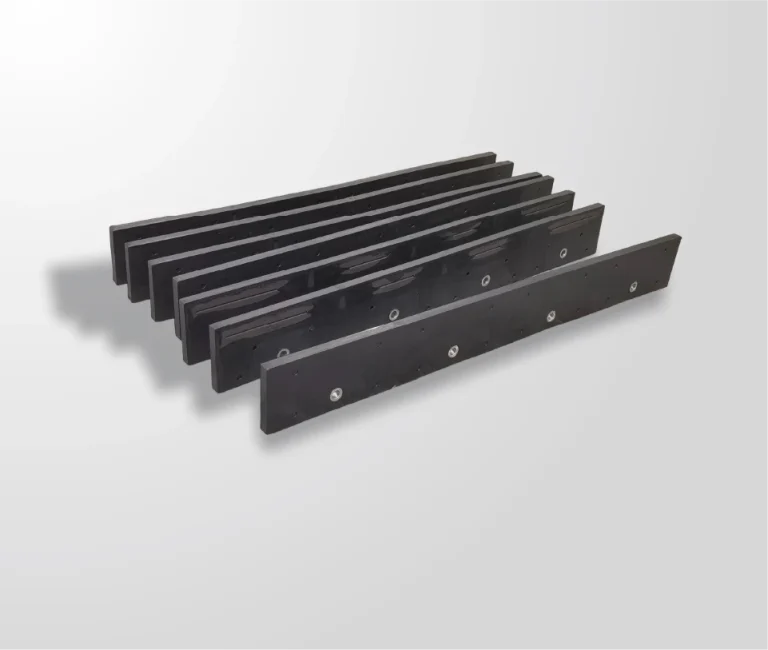
Balance your moldboard after installing a JOMA blade by checking plow contact left vs. right, adjusting trip spring tension on the lighter side, adding shims at the moldboard pivot, and test-driving until pulling stops. Consistent blade segment weight — SENTHAI’s sub-2% variance — reduces the adjustment needed.
(Last modified date: September 2, 2026)
Quick definition: Align each segment evenly on the moldboard — off-center placement shifts weight and causes drift.
Key Takeaways
- Align segments evenly and torque bolts to spec to prevent imbalance at installation.
- A 4-foot JOMA carbide blade weighs 17.5 kg versus 10–12 kg for steel — the added mass needs balancing.
- 80% of “pulling” complaints trace to truck-side components, not the blade.
- SENTHAI’s automated production keeps segment weight variance under 2%.
What Is the Proper Way to Install a JOMA-Style Blade to Prevent Imbalance?
Align each segment evenly on the moldboard — off-center placement shifts weight and causes drift. Tighten bolts to the recommended torque with a wrench to avoid uneven clamping that distorts the cutting edge. Check segment weight consistency: SENTHAI’s automated pressing and sintering keeps variance under 2%, while cheaper blades often vary more than 5%, making balance difficult from the start. See how to install JOMA-style blades on heavy-duty trucks.
How Does a Heavier Carbide Blade Affect Handling and Balance?
| Blade Type | Weight (kg) | Weight (lbs) | Notes |
|---|---|---|---|
| Standard steel blade (typical) | ~10–12 | ~22–26 | OEM blades vary by thickness |
| SENTHAI JOMA-style carbide blade | 17.5 | 38.6 | Automated production, <2% variance |
The extra weight changes the moldboard’s center of gravity, causing pull-down if one side is heavier. The truck may drift toward the heavier side, especially during plowing. See SENTHAI JOMA-style blades.
Why Does Your Snow Plow Pull to One Side After Changing the Blade?
Uneven moldboard sag is common. The heavier blade can cause one side to droop if trip springs aren’t balanced. Worn pivot pins, bushings, or A-frame parts amplify the drift. Before blaming the blade, inspect frame and spring hardware — SENTHAI’s experience shows 80% of pulling issues come from truck-side components, not the blade. See how to diagnose uneven JOMA segment wear.
How Can You Check if Your Moldboard Is Out of Balance?
- Park on level ground and lower the plow to contact.
- Check contact left vs. right — gaps indicate sag.
- Measure blade-to-ground distance at both ends.
- Inspect pivot pins and bushings for wear.
- Verify trip spring tension is equal on both sides.
What Adjustments and Tools Are Needed to Correct Sag or Drift?
- Adjust trip spring tension on the lighter side.
- Add shims at the moldboard pivot to bring the edge parallel.
- Replace worn pins, bushings, or A-frame hardware.
- Test drive on a straight, dry road and fine-tune.
See the correct JOMA installation gap for related setup.
Why Does SENTHAI’s Full In-House Production Minimize Balance Problems?
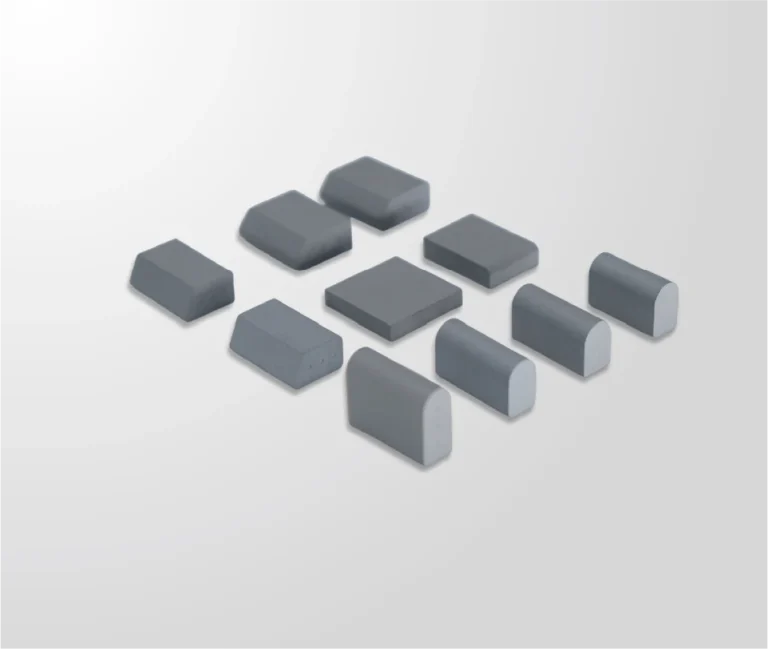
Precision-ground carbide inserts and consistent segment weight come from automated wet grinding, pressing, sintering, welding, and vulcanization. That consistency means the moldboard starts balanced — and stays balanced — across the fleet. See SENTHAI carbide inserts and how JOMA blades prevent moldboard stress fractures.
FAQs
Can I use a SENTHAI JOMA carbide blade on a standard residential plow?
Yes — with verified fitment and proper balancing; the extra weight must be supported by the plow and vehicle.
How often should I check moldboard balance after installing a carbide blade?
Check after installation, after the first storm, and then per season or whenever drift appears.
Will a heavier carbide blade cause premature suspension wear?
Only if the plow exceeds the vehicle’s rated capacity; balanced installation keeps loads even.
Can I mix steel and carbide segments on the same moldboard?
It’s not recommended — weight and wear differences cause imbalance and uneven scraping.
Related Articles
- Installing JOMA-Style Blades on Heavy-Duty Trucks
- Diagnosing Uneven JOMA Segment Wear
- JOMA Blade Installation Gap
- JOMA Blades and Moldboard Stress Fractures
Official Resources
References
- SENTHAI installation and balancing documentation, 2026.
- Fleet field data on moldboard pull causes, North America.
Related articles
 Best Snow Plow Blade Family for Your Fleet: Top 5 ScenariosKnowledge
 Top 10 Snow Plow Blade Types for Winter Fleets (Ranked by Duty Fit)Knowledge
 Top 5 Best Carbide Blade Configurations for Highway PlowingKnowledge
 Best Snow Plow Blade Materials Ranked: Steel vs Carbide vs Cladding vs Rubber-CarbideKnowledge