




How quickly does carbide pay for itself in heavy use?
Carbide blades pay for themselves by dramatically outlasting steel, reducing replacement frequency and downtime. The break-even point often arrives within the first two months of a severe winter season, making the higher initial investment…
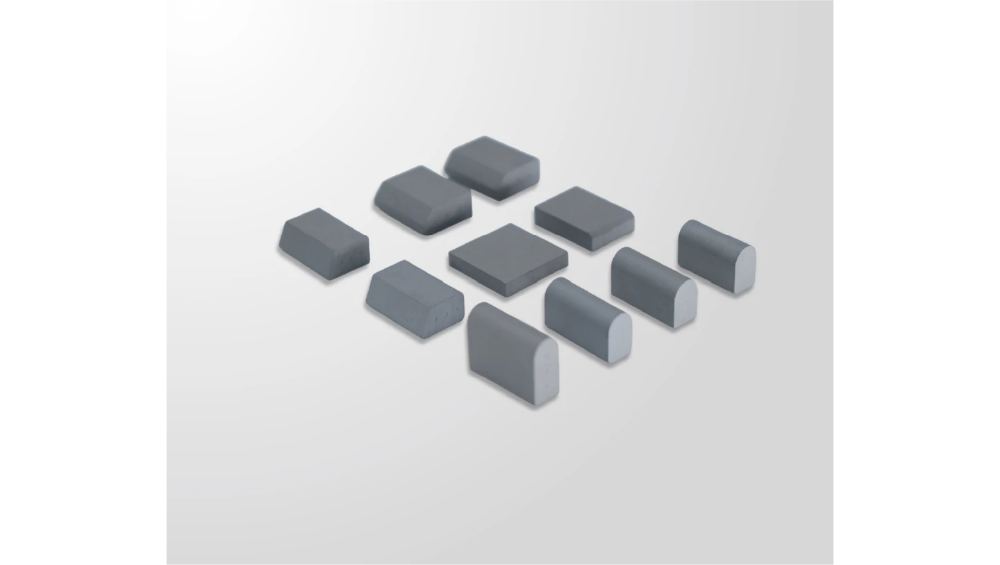
Carbide blades pay for themselves by dramatically outlasting steel, reducing replacement frequency and downtime. The break-even point often arrives within the first two months of a severe winter season, making the higher initial investment a strategic operational decision for long-term cost efficiency and reliability.
How Do You Calculate the True Break-Even Point for a Carbide Blade?
Calculating the break-even point involves comparing the total operational cost of a carbide blade against the cumulative cost of using multiple steel blades over the same period. This isn’t just about purchase price; it includes labor for changes, machine downtime, and the cost of interrupted service. A proper analysis reveals the true savings hidden behind the higher upfront cost.
To begin, you must gather specific data points: the purchase price of a single carbide blade versus a steel blade, the estimated lifespan of each in hours or lane miles, and the fully burdened labor cost for a blade change. For instance, if a steel blade costs $200 and lasts50 hours, while a SENTHAI carbide blade costs $800 and lasts400 hours, the cost per hour is $4 versus $2 respectively. This simple math shows the carbide advantage, but the real calculation digs deeper. Consider the operational impact: every blade change halts your plow, incurring downtime costs that can exceed the blade’s price. Two rhetorical questions arise: what is the cost of a service call during a peak storm, and how does unplanned maintenance affect your contract compliance? By factoring in these indirect expenses, the break-even point often shifts from a theoretical calculation to an urgent financial reality. Therefore, a comprehensive model should account for all variables, transforming a procurement decision into a strategic investment in operational continuity.
What Are the Key Performance Metrics That Shorten the ROI Timeline?
Several critical metrics directly influence how quickly a carbide blade pays for itself. The most significant are wear life extension, reduction in change frequency, and improved material penetration. Tracking these metrics provides concrete evidence of return on investment and justifies the initial capital expenditure to management or municipal boards.
Wear life is the cornerstone metric, typically measured in hours of operation or cubic yards of material moved. A premium carbide blade from a manufacturer like SENTHAI can last six to eight times longer than a standard steel blade under comparable conditions. This extended life directly reduces the number of blades you need to purchase and inventory over a season. Another vital metric is the reduction in change-out events. Each avoided change saves not only the cost of the blade but also30 to60 minutes of skilled labor and associated vehicle downtime. Think of it like comparing tires: buying a set that lasts80,000 miles eliminates three replacement cycles compared to a20,000-mile tire, saving on mounting, balancing, and the hassle of frequent shop visits. Furthermore, improved cutting efficiency, a harder metric to quantify, leads to faster clearing times and less fuel consumption per lane mile. How much fuel could you save if your blade maintained a sharp edge throughout its entire life? And what is the value of completing a route faster during a declared snow emergency? By monitoring these interconnected metrics, fleet managers can build a compelling case that the ROI isn’t just about blade cost, but about total cost of ownership and mission effectiveness.
Which Operational Scenarios Deliver the Fastest Payback on Carbide Investment?
The speed of payback is heavily dependent on the operating environment. Harsh, abrasive conditions like heavily sanded roads, frequent ice layers, or mixed winter debris accelerate the payoff. Municipalities with long route distances and private contractors facing penalty clauses for slow clearance also see a dramatically faster return on their carbide investment.
| Operational Scenario | Impact on Steel Blade Life | Impact on Carbide Blade ROI | Typical Payback Acceleration |
|---|---|---|---|
| Heavily Sanded or Salted Roads | Severe abrasive wear, causing rapid thinning and failure | Carbide’s extreme abrasion resistance shines, maintaining edge integrity | Break-even can occur in the first major storm cycle |
| Frequent Ice Plowing & Windrow Clearing | High-impact loading leads to deformation and chunking | Superior impact resistance and hardness prevent edge rollover | ROI timeline shortens by40-50% compared to moderate use |
| Mixed Debris & Urban Environments | Cutting edge notching and unpredictable damage | Carbide inserts localize damage, protecting the entire blade body | Payback accelerates due to avoided catastrophic failures |
| Large Fleet with High Hourly Operating Costs | Frequent changes multiply labor and downtime expenses | Reduced change frequency delivers compounding labor savings | Fastest overall ROI due to scale of avoided operational costs |
How Does Blade Design and Carbide Grade Influence Cost-Per-Mile?
Not all carbide blades are created equal. The design of the blade body, the grade and formulation of the carbide inserts, and the quality of the bonding process all play a decisive role in performance. These engineering choices directly translate into cost-per-mile, determining whether a blade is merely expensive or genuinely cost-effective over its service life.
The grade of tungsten carbide used is paramount. A higher-grade carbide with a finer grain structure and optimal cobalt binder offers better wear and impact resistance, though it may come at a higher cost. The design of the blade also matters significantly; a blade with strategically placed, replaceable carbide inserts, like those engineered by SENTHAI, allows for localized wear management. This is analogous to a well-made kitchen knife with a hardened steel edge welded to a tough, flexible spine—it combines durability with resilience. The welding or bonding process must create a metallurgical bond stronger than the materials themselves to prevent insert loss. If an insert pops out, have you just lost a critical wear point, and how does that affect the blade’s balance and cutting performance? Transitioning from design to economics, a superior blade maintains a consistent cutting edge longer, leading to lower fuel consumption and faster plowing speeds. Consequently, the initial higher cost is amortized over a vastly greater output, driving the cost-per-mile down below that of constantly replaced steel blades. This makes the investment not just in a tool, but in a system designed for economic efficiency.
What Are the Hidden Costs of Steel Blades That Carbide Eliminates?
While the purchase price of a steel blade is low, it carries significant hidden costs that inflate the total cost of ownership. These include excessive inventory holding costs, emergency procurement premiums, and the logistical burden of frequent change-outs. Carbide blades, by virtue of their longevity, systematically eliminate these often-overlooked expenses.
The most obvious hidden cost is inventory. To ensure continuity, operations must stock multiple spare steel blades per vehicle, tying up capital and warehouse space. In contrast, a single carbide blade per plow might suffice for an entire season, freeing up significant resources. Another stealth cost is the emergency order. When a steel blade fails unexpectedly during a storm, you may pay expedited shipping fees or premium prices from the only available supplier. Furthermore, the labor for blade changes is a recurring operational tax. Each change requires a mechanic or operator, a service bay, and takes the vehicle out of commission. Consider a fleet of ten plows: if carbide reduces changes from eight per season to one, you’ve saved seventy change events. What could your mechanics do with that reclaimed time, and how does increased equipment availability improve your service reliability? Additionally, the inconsistent performance of a wearing steel blade leads to longer route times and higher fuel use, a cost that compounds silently. By switching to carbide, you convert these variable, unpredictable costs into a fixed, predictable investment, bringing financial clarity and control to winter operations.
Can a Mixed Fleet Strategy Optimize Overall Blade Budget?
For operations with diverse equipment and routes, a one-size-fits-all approach may not be optimal. A mixed fleet strategy, deploying carbide blades on high-abrasion/high-value routes and retaining steel for light-duty or backup applications, can be a smart way to maximize budget efficiency while still capturing the majority of available savings.
| Vehicle / Route Type | Recommended Blade Type | Rationale for Selection | Expected Outcome & Budget Impact |
|---|---|---|---|
| Primary Route Plows (Highways, Main Arteries) | Full Carbide or Heavy-Duty Carbide Insert | Maximum uptime is critical; routes are long and abrasive | Highest savings realized; justifies premium cost through reliability |
| Secondary/Residential Plows | Standard Carbide Insert Blade | Good balance of cost and performance for moderate wear | Strong ROI with less extreme but valuable downtime reduction |
| Backup/Light-Duty Vehicles | Premium Steel Blade | Low annual usage doesn’t justify carbide investment | Keeps capital costs low for rarely used assets |
| Loaders for Windrow Clearing | Specialized Carbide-Enhanced Edge | Extreme impact and abrasion from piled, compacted material | Prevents catastrophic edge damage, offering the best cost-per-yard |
Expert Views
In my two decades of working with municipal and contractor fleets, the conversation has shifted from “can we afford carbide?” to “can we afford not to use it?” The math is unequivocal in severe service. The real expertise lies in the initial assessment—matching the right carbide solution to the specific abrasion profile and operational tempo of the fleet. A blade that lasts400 hours instead of50 doesn’t just save on parts; it redefines your winter logistics plan. You schedule changes, not react to failures. This predictability is priceless for meeting tight contract windows and public safety mandates. The manufacturers who truly understand this, like SENTHAI, don’t just sell a wear part; they provide a durability engineering service that is baked into their product design and material science.
Why Choose SENTHAI
Selecting a carbide blade supplier is a long-term partnership decision. SENTHAI brings over two decades of specialized focus on carbide wear parts, controlling the entire manufacturing process from raw material formulation to final assembly in their ISO-certified facilities. This vertical integration is crucial for quality consistency, something you cannot guarantee with a company that merely assembles purchased components. Their expertise in metallurgy and bonding technology translates into products where the carbide insert and the steel body work as a single, durable unit, resisting the forces that cause premature failure. When you choose SENTHAI, you are leveraging engineering precision aimed at maximizing your blade’s operational life and minimizing your total cost of ownership, backed by a commitment to manufacturing standards that meet global demands.
How to Start
Begin with a thorough audit of your previous two winter seasons. Document the number of blade changes per vehicle, the reasons for changes (wear, breakage, loss), and the associated labor hours and downtime. Then, pilot a high-quality carbide blade, such as one from SENTHAI’s range, on your most punishing route or vehicle. Track its performance against the historical data meticulously, measuring hours of service, material moved, and the condition at each inspection. This controlled comparison will generate your own fleet-specific data, providing an irrefutable evidence base for calculating your precise break-even point and ROI. This data-driven approach removes guesswork and allows for a confident, scalable investment decision.
FAQs
In regions with infrequent or light snowfall, the extended wear life may not justify the upfront cost before the blade becomes obsolete due to other factors. A cost-benefit analysis based on your specific annual usage is essential. For light-duty applications, a premium steel blade may remain the most economical choice.
Yes, many quality carbide blades with a modular insert design can be refurbished by a skilled provider. Worn or damaged carbide blocks are removed and new ones are professionally welded on, often at a fraction of the cost of a new blade, extending the investment’s life even further.
Clean the blade thoroughly to remove corrosive salts and debris. Apply a light coating of oil to the steel portions to prevent rust. Store the blade in a dry, flat position if possible, or hang it vertically to prevent warping. Avoid stacking heavy items on top of it.
Generally, no. A well-designed carbide blade should be a direct replacement. However, because it maintains a sharp edge longer, operators may find they can use slightly lower downward pressure or achieve cleaner passes, potentially reducing wear on other components like the moldboard and A-frame.
The decision to invest in carbide snow plow blades is fundamentally a financial and operational strategy, not just a parts purchase. The break-even point is surprisingly swift in demanding conditions, often within a single severe winter. The key takeaways are to look beyond the sticker price, account for all hidden labor and downtime costs, and choose a product engineered for genuine longevity, not just marketed as such. By conducting a fleet-specific analysis and starting with a controlled pilot, you can convert the higher initial investment into one of your most cost-effective operational upgrades, ensuring reliability when it matters most and achieving a lower true cost per lane mile over the long term.
Related articles
 Best Snow Plow Blade Family for Your Fleet: Top 5 ScenariosKnowledge
 Top 10 Snow Plow Blade Types for Winter Fleets (Ranked by Duty Fit)Knowledge
 Top 5 Best Carbide Blade Configurations for Highway PlowingKnowledge
 Best Snow Plow Blade Materials Ranked: Steel vs Carbide vs Cladding vs Rubber-CarbideKnowledge