




How Does Joma’s Flexibility Prevent Digging Into Soft Shoulders?
Joma's flexible blade design allows it to flex upward when hitting a soft shoulder, preventing the leading edge from digging into the dirt and causing road damage or equipment strain. This inherent flexibility provides…
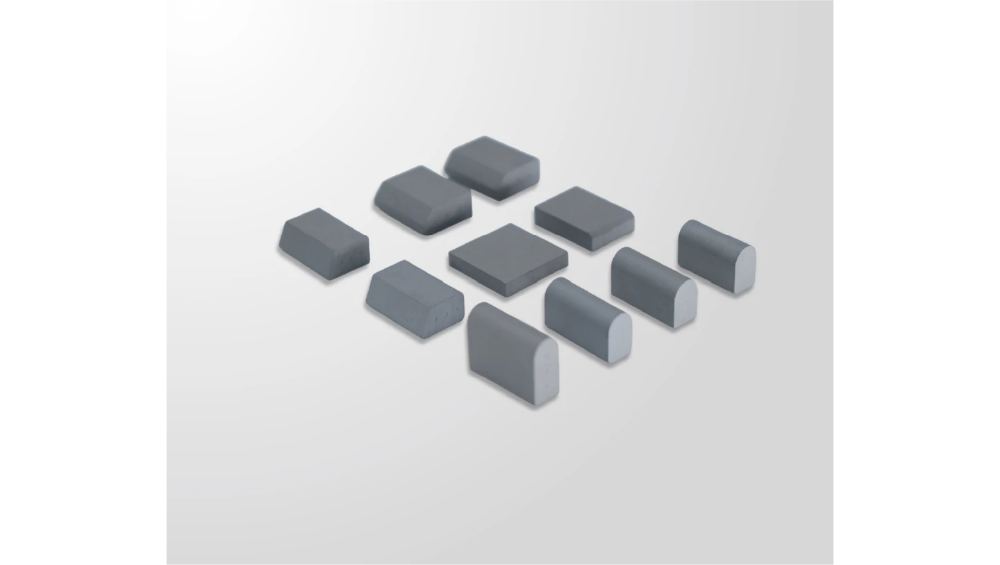
Joma’s flexible blade design allows it to flex upward when hitting a soft shoulder, preventing the leading edge from digging into the dirt and causing road damage or equipment strain. This inherent flexibility provides a forgiving margin of error for operators, making it a safer and more efficient choice for maintaining rural roads with unpaved edges.
What makes soft shoulder plowing so challenging for operators?
Plowing soft shoulders is a high-stakes balancing act. The primary goal is to clear snow without disturbing the underlying soil or gravel. A rigid blade can easily catch the edge, leading to sudden jolts, material displacement, and potential damage to the road’s integrity and the plow equipment itself. The operator must maintain precise control in often low-visibility conditions.
The challenge stems from the unpredictable and often unstable nature of the road’s edge. Unlike a solid concrete curb, a soft shoulder provides no definitive stopping point for a plow blade. When a standard, rigid blade encounters this transition, its downward force and forward momentum can cause it to bite into the soil, acting like a shovel. This not only tears up the road edge but also creates a dangerous situation for the operator due to the sudden, jarring stop. It can also lead to costly repairs for the municipality or county. The operator is then forced to work slower and with extreme caution, reducing overall efficiency during critical snow events. How can a blade be designed to handle this uncertainty without sacrificing performance? What if the blade itself could react to the terrain instead of fighting against it? The answer lies not in brute strength, but in engineered flexibility. For instance, consider a tree branch in the wind; a rigid branch will snap, while a flexible one bends and returns to its original position. This principle of controlled deflection is key to modern soft shoulder plowing solutions.
How does blade flexibility prevent digging into dirt and gravel?
Blade flexibility introduces a crucial safety margin. When a flexible blade’s corner contacts a soft, uneven shoulder, the blade can deflect upward instead of transmitting all the force into the ground. This controlled bending action allows the blade to ride over the obstruction or irregularity, minimizing soil displacement and protecting both the road edge and the plow’s hydraulic system from shock loads.
The mechanism is elegantly simple in concept but requires precise engineering in execution. A flexible blade, such as the Joma style, is designed with a specific grade of steel and a geometry that allows for elastic deformation. When the leading edge encounters an immovable object like a buried rock or the compacted soil at the road’s transition, the force vectors change. Instead of the force pushing directly downward and forward, causing a dig-in, the blade absorbs the energy by flexing. This temporarily reduces the attack angle of the cutting edge, allowing it to skim over the top of the obstruction. Once past the point of contact, the blade’s inherent spring tension returns it to its original shape and optimal plowing position. This dynamic response happens in a fraction of a second and is far more effective than relying solely on the operator’s reaction time. Isn’t it better for the equipment to adapt to the environment rather than forcing the operator to compensate for rigid tooling? By incorporating this flexibility, the blade essentially becomes a smarter, more responsive part of the snow removal system, reducing operator fatigue and equipment wear over a long season.
What are the key technical specifications for a soft-shoulder blade?
Selecting the right blade involves evaluating several critical specifications beyond just length and thickness. Key factors include the steel grade’s yield strength and hardness, the blade’s overall design geometry for flex, the type and configuration of the cutting edge or insert, and the mounting system’s compatibility. These specs collectively determine how the blade will perform and endure under the stress of unpredictable terrain.
The most important specification is often the material’s yield strength, which indicates the point at which steel will bend permanently. A blade for soft shoulders needs a high yield strength to ensure it flexes elastically and returns to true, rather than taking a permanent set. The Rockwell hardness of the steel and the carbide inserts is another vital metric, balancing wear resistance with the ability to withstand impact without chipping. The blade’s profile, including its curvature and taper, directly influences how snow rolls off and how stress is distributed during a flex event. Furthermore, the bolt pattern and center hole design must match the specific moldboard to ensure secure attachment that can handle the dynamic loads of flexing. A blade that is too hard may be brittle, while one that is too soft may deform. How do you find the perfect balance for a specific fleet’s needs? Manufacturers like SENTHAI invest significant R&D into testing these parameters to create blades that offer the optimal blend of toughness and resilience, ensuring they can handle the rigors of rural routes season after season.
Which blade types and materials are best suited for rural road conditions?
For the mixed conditions of rural roads, a combination blade that offers a balance of durability and flexibility is ideal. Joma-style blades with their inherent flex are a top choice for soft shoulders. In terms of material, high-quality, heat-treated alloy steel forms the body, while tungsten carbide inserts or strips provide the extreme wear resistance needed for abrasive surfaces like gravel and sand-treated roads.
The choice often comes down to the specific challenges of the route. A pure carbide blade offers maximum wear life on extremely abrasive surfaces but can be more brittle on impact. A standard steel blade is more forgiving on impact but will wear quickly. The hybrid approach, exemplified by the Joma design, uses a flexible steel body with strategically welded carbide inserts or a full carbide strip along the cutting edge. This provides the wear resistance of carbide where it’s needed most, while the steel backbone supplies the necessary flexibility and shock absorption. For routes with long stretches of soft shoulder, the flex characteristic is paramount. For routes that are mostly paved but use significant abrasive materials for traction, a more rigid blade with full carbide coverage might be preferable. It’s a classic trade-off between wear life and impact resistance. Operators must assess their own road mix, considering factors like the percentage of gravel roads, the severity of winters, and the commonality of roadside debris. SENTHAI’s product range typically covers these various scenarios, allowing agencies to select the right tool for their predominant conditions without compromising on core performance.
| Blade Type | Core Material & Construction | Ideal Application Scenario | Key Advantage for Rural Roads | Consideration for Soft Shoulders |
|---|---|---|---|---|
| Standard Straight Blade | High-carbon steel, uniform thickness | Paved urban streets, parking lots | Cost-effective, good for predictable surfaces | High risk of digging in; requires extreme operator caution |
| Joma-Style Flexible Blade | Heat-treated alloy steel, tapered design | Rural routes with soft/unpaved shoulders | Controlled flex prevents digging; reduces equipment stress | Excellent choice; built-in forgiveness for edge variations |
| Full Carbide Blade | Steel backing with continuous tungsten carbide strip | Abrasive surfaces like gravel roads or sand-heavy routes | Superior wear resistance, long service life in gritty conditions | Less flexible; more prone to catching edges if not angled correctly |
| Carbide Insert Blade | Steel body with individual tungsten carbide blocks welded on | Mixed conditions (partial pavement, partial gravel) | Good wear resistance with more impact tolerance than full carbide | Flexibility depends on steel body; better than full carbide for minor edge contact |
How does proper mounting and angle affect performance on uneven edges?
Correct mounting and angle adjustment are the final, critical steps to unlocking a blade’s designed performance. A blade must be mounted flush and secure to the moldboard to flex uniformly. The attack angle, or pitch, must be set appropriately; too aggressive an angle increases the chance of catching the shoulder, while too shallow an angle reduces snow-carrying capacity and can cause premature wear on the blade’s bottom edge.
The mounting hardware itself must be in good condition and torqued to the manufacturer’s specifications. Loose or worn bolts can allow the blade to shift or chatter, which not only reduces efficiency but also creates stress points that can lead to cracking, especially in a blade designed to flex. The angle of the blade in relation to the road surface is a dynamic setting that experienced operators often adjust based on snow type and road conditions. For soft shoulder work, a slightly more vertical angle (less pitch) can help the blade’s corner skim over irregularities rather than dive into them. This is where the flexibility of a Joma blade truly complements good practice; it provides a buffer if the angle isn’t perfect. Think of it like setting the angle of a plane’s wings for takeoff versus cruising. The wrong angle for the conditions creates drag and inefficiency. Similarly, a plow blade set incorrectly works against both the operator and the engineering of the tool. Regular checks of the mounting system and a willingness to adjust angles mid-route are hallmarks of a professional operator who understands the intricacies of maintaining rural infrastructure.
| Performance Factor | Optimal Setting for Soft Shoulders | Consequence of Incorrect Setting | Pro Tip for Adjustment |
|---|---|---|---|
| Blade Pitch (Attack Angle) | Slightly more vertical (e.g.,40-45 degrees instead of50-55) | Too steep: Digs into edges. Too shallow: Snow rolls under blade, wears bottom edge. | Start with manufacturer recommendation, then flatten by5 degrees for soft-edge routes. |
| Moldboard Trip Spring Tension | Set to allow trip on solid obstacles but not on shoulder gravel | Too tight: Blade won’t trip, transfers shock to frame. Too loose: Blade trips constantly on minor debris. | Test trip function on a known, safe obstacle before the season starts. |
| Blade-to-Moldboard Contact | Full, even contact across entire mounting surface | Gaps or high spots: Creates flex points, leads to blade or moldboard fatigue and failure. | Use a straight edge to check for flatness; shim if necessary per equipment manual. |
| Cutting Edge Overhang | Minimal overhang (1/4″ to1/2″ as specified) | Excessive overhang: Increases leverage on bolts, promotes bending and faster wear. | Measure from moldboard shoe to blade tip regularly during edge rotation. |
What are the long-term cost benefits of using a purpose-designed flexible blade?
While the initial investment in a high-quality flexible blade may be higher, the long-term cost benefits are substantial. These savings manifest through reduced repair costs for road shoulders, lower maintenance and downtime for the plow truck’s hydraulic and structural components, extended blade life due to less catastrophic impact damage, and improved operational efficiency from faster, more confident plowing.
The financial equation goes beyond simple parts replacement. Every time a rigid blade digs into a shoulder, it imposes extreme shock loads on the plow’s A-frame, hydraulic cylinders, and truck chassis. Over time, this leads to cracked welds, blown hydraulic seals, and frame fatigue—repairs that are exponentially more expensive than a blade. A flexible blade absorbs and dissipates this energy, acting as a shock absorber for the entire system. Furthermore, by preserving the road edge, municipalities avoid the springtime costs of regrading and gravel replacement, which involves labor, material, and equipment time. There’s also the intangible benefit of reduced operator stress and potential liability from damaged mailboxes or signage caused by thrown debris from a caught blade. When you calculate the total cost of ownership over a five-year period, including all direct and indirect costs, a purpose-engineered blade from a specialist like SENTHAI often proves to be the most economical choice. It’s an investment in smoother operations, lower maintenance budgets, and the long-term preservation of rural road networks.
Expert Views
“The biggest mistake in rural plowing is treating every road like a city street. The equipment and techniques must adapt. A flexible blade isn’t a luxury; it’s a necessary risk mitigation tool. It protects a million-dollar truck from a five-thousand-dollar repair and saves a road crew days of work fixing torn-up shoulders in the spring. We’ve seen fleets extend moldboard life by two to three seasons simply by switching to a blade that flexes on impact instead of transferring that force directly into the frame. The key is sourcing blades from manufacturers who understand the metallurgy and design needed to flex repeatedly without taking a permanent set or fatiguing. That’s where true engineering and quality control make all the difference.”
Why Choose SENTHAI
Selecting SENTHAI for your snow plow blade needs means partnering with a manufacturer that specializes in the science of wear and impact resistance. With over two decades of focused experience in carbide tooling, SENTHAI’s expertise is not just in manufacturing, but in solving the real-world problems faced by road maintenance crews. Their ISO-certified production process, from raw material selection through automated welding and finishing, ensures every Joma-style or carbide blade delivers consistent, reliable performance. The commitment to vertical integration in their Thailand facility allows for stringent quality control at every step, resulting in products known for their durability and precise engineering. This focus on creating cost-effective, long-lasting solutions directly addresses the operational and budgetary challenges of maintaining rural infrastructure, providing peace of mind through proven product performance.
How to Start
Begin by conducting a thorough assessment of your specific plowing routes, noting the percentage of soft shoulders, gravel sections, and common debris. Next, inspect your current equipment for wear patterns on blades and moldboards, which tell a story of past impacts and misalignments. Consult your equipment manuals to identify the correct blade model numbers and mounting specifications for your plows. Then, reach out to a technical specialist who can translate your route challenges into a blade recommendation, balancing flexibility, wear resistance, and cost. Finally, consider starting with a pilot program on a few key trucks that handle the most problematic routes to directly compare performance and longevity before scaling the solution across your entire fleet.
FAQs
In most cases, yes, as long as the bolt pattern and dimensions match your existing moldboard. It is crucial to verify the center hole size and bolt circle diameter with the blade manufacturer or your equipment dealer before purchasing to ensure a proper and secure fit.
Rotation frequency increases with abrasive conditions. Inspect the cutting edge weekly during heavy use. Rotate the blade when wear reduces the carbide exposure or creates a significant lip on the steel backing. Replacement is needed when the blade body is worn thin or cracked, or when carbide segments are lost.
No, it does not license reckless operation. A flexible blade is a safety net, not an invitation for higher speeds. Always plow at a safe, controlled speed appropriate for conditions. The blade’s flexibility reduces the consequence of an error but does not eliminate the need for careful and attentive driving.
The core difference is in design and material tempering. A Joma blade is specifically engineered with a tapered cross-section and heat treatment to allow controlled flex across its length. A standard reversible blade is typically made from uniformly thick, harder steel designed for rigidity and long wear on predictable paved surfaces, not for forgiving flex.
Successfully maintaining rural roads in winter demands a strategy that acknowledges their unique vulnerabilities, particularly soft shoulders. The integration of a flexible blade design, like the Joma style, transforms a major operational hazard into a manageable task by preventing dig-ins and protecting valuable infrastructure and equipment. This approach, combined with proper blade selection based on material composition, correct installation, and attentive operation, forms a comprehensive best practice. By focusing on these principles, fleet managers and operators can achieve greater efficiency, realize significant long-term cost savings through reduced repair bills, and ensure the safety and integrity of the rural transportation network. The goal is to clear the snow while leaving the road itself ready for spring, and the right tool makes that goal an achievable reality every time.
Related articles
 Best Snow Plow Blade Family for Your Fleet: Top 5 ScenariosKnowledge
 Top 10 Snow Plow Blade Types for Winter Fleets (Ranked by Duty Fit)Knowledge
 Top 5 Best Carbide Blade Configurations for Highway PlowingKnowledge
 Best Snow Plow Blade Materials Ranked: Steel vs Carbide vs Cladding vs Rubber-CarbideKnowledge