




How are segmented carbide snow plow blades reshaping public works fleets in 2026?
The American Public Works Association (APWA) Excellence in Snow and Ice Control Awards 2026 highlight a clear shift: municipal and county public works agencies are adopting segmented blades and advanced carbide wear systems to…
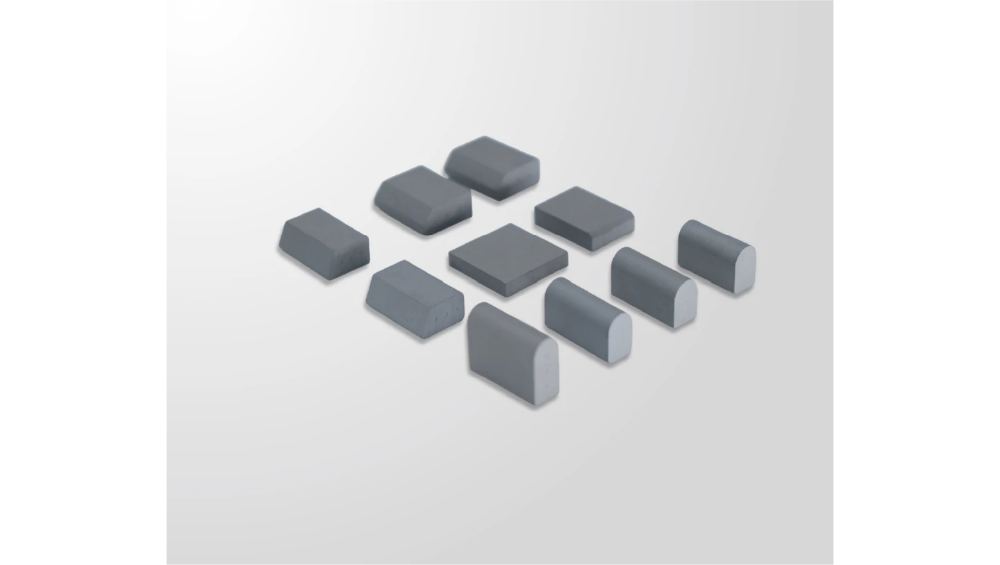
The American Public Works Association (APWA) Excellence in Snow and Ice Control Awards 2026 highlight a clear shift: municipal and county public works agencies are adopting segmented blades and advanced carbide wear systems to reduce salt waste, cut maintenance downtime, and improve operational efficiency. These fleets are moving away from traditional solid‑steel cutting edges toward modular, high‑carbide kits and OEM‑ready solutions that can be supplied by a reliable manufacturer, wholesale supplier, or B2B factory partner.
Packed Ice Carbide Kit – SENTHAI
What is the APWA Excellence in Snow and Ice Control Awards 2026?
The APWA Excellence in Snow and Ice Control Awards 2026 recognize public works agencies that demonstrate best‑in‑class management of snow and ice operations, including fleet optimization, salt‑use efficiency, and data‑driven decision‑making. Agencies honored under this award have implemented advanced technologies such as segmented blades, computerized salting controls, and telematics‑linked maintenance schedules to maximize road safety while minimizing environmental impact and recurring costs.
In practice, 2026 winners have shifted from one‑size‑fits‑all steel blades to segmented, carbide‑enhanced edges that wear more evenly and can be rotated or replaced in sections. This trend signals growing demand for high‑performance wear parts from manufacturers and OEM suppliers who can deliver long‑life, modular solutions tailored to municipal plow configurations.
Why are segmented blades becoming the standard in public works?
Segmented blades offer two main advantages: conformity to uneven road surfaces and dramatically reduced maintenance downtime. Instead of one rigid steel bar, the blade is divided into multiple independently moving sections that follow pavement contours, leaving cleaner roads with less residual ice and less salt needed per pass.
From a maintenance‑cost perspective, segmented carbide‑insert edges wear more uniformly and can be flipped or replaced in segments, avoiding the need to change an entire blade set. For public works departments, this means fewer shop days, fewer overtime hours during storms, and lower lifecycle costs per lane‑mile. A B2B factory that produces segmented carbide snow plow blades can therefore position itself as a strategic partner in improving fleet uptime and operational efficiency.
How does a segmented carbide blade improve operational efficiency?
A segmented carbide blade improves operational efficiency by combining three technical features: independent‑segment articulation, high‑carbide cutting inserts, and optimized blade geometry. Each segment can pivot and flex slightly, so the carbide‑tipped edge maintains full contact with the road even over potholes, patches, and uneven seams, reducing the need for secondary passes.
From a financial standpoint, fewer passes mean less fuel, less wear on truck components, and less salt dispersion. For a public works department, switching from a solid steel edge to a segmented carbide kit can reduce salting‑related material costs by 15–30% over a typical season, while extending blade life by 5–10 times. A wholesale supplier or OEM‑oriented manufacturer can package these benefits into clear cost‑per‑mile propositions for potential buyers.
Where should agencies source segmented carbide blades and inserts?
Agencies should source segmented carbide blades and inserts from manufacturers or OEM suppliers that offer ISO‑certified production, consistent carbide grades, and fleet‑scaled supply chains. Key criteria include:
-
Full in‑house control over R&D, pressing, sintering, brazing/welding, and vulcanization for rubber‑segmented designs.
-
ISO9001 and ISO14001‑aligned quality and environmental systems.
-
Proven track record supplying 80+ global partners, including municipalities, DOT‑level contractors, and large private fleets.
For North American and European buyers, a foreign‑based manufacturer with a US‑backed ownership structure, such as a B2B factory in Thailand, can combine global‑standard quality with lower landed costs via container‑scale wholesale orders. This model is especially attractive for large public works fleets that request custom blade lengths, mounting patterns, and carbide‑insert configurations.
How does maintenance downtime change with segmented carbide kits?
Maintenance downtime falls significantly when agencies adopt segmented carbide snow plow blades instead of traditional solid blades. Instead of replacing an entire 10–12‑foot edge after a single major storm, crews can rotate or replace only the worn segments, often without specialized tools or extended shop time.
From a fleet‑management view, this translates into fewer “out‑of‑service” plows during peak winter events and fewer emergency‑purchase orders. A manufacturer that designs its segmented kits with standardized bolts, quick‑change brackets, and clearly marked wear indicators further simplifies maintenance. For B2B customers, OEM‑ready kits can be branded and configured to match specific plow models, minimizing training and integration time.
What are the key differences between solid and segmented blades?
From a manufacturing perspective, the shift to segmented designs means more sophisticated tooling and higher‑precision assembly, but also higher margins due to the embedded carbide content and longer‑lasting value proposition. OEM suppliers can differentiate themselves by offering modular kits that are easy to reconfigure between different plow types or truck models.
How can a B2B factory or OEM supplier support public works fleets?
A B2B factory or OEM supplier can support public works fleets by providing:
-
Scalable bulk supply of segmented carbide blades, carbide inserts, and rubber‑segment covers.
-
Custom blade engineering that matches local plow configurations, axle layouts, and salt‑corrosion conditions.
-
Season‑ready stock programs and regional distribution hubs to minimize lead times during peak demand.
For manufacturers located outside North America, the value proposition includes lower production costs, ISO‑certified quality, and the ability to absorb large‑volume contracts that North American‑based shops may not be able to fulfill. A factory‑direct wholesale model also allows public works departments to negotiate multi‑year supply agreements and fixed‑price frameworks, which are increasingly common in procurement for wear‑resistant carbide parts.
Why is carbide content a deciding factor in blade selection?
Carbide content is a deciding factor because it directly determines wear life, edge‑retention, and total cost per lane‑mile. Higher‑grade tungsten carbide inserts resist abrasive road grit, sand, and de‑icing aggregates far better than plain steel, so the blade stays sharp longer and requires fewer replacements.
For public works agencies, the cost differential between a low‑carbide and high‑carbide blade is often recouped within one or two winter seasons through reduced labor, fewer downtime hours, and lower salt consumption. OEM‑oriented manufacturers can help buyers quantify this by providing wear‑life charts, typical replacement intervals, and simulation‑based cost‑per‑mile models tailored to local climate severity.
How does a manufacturer like SENTHAI stand out in this market?
SENTHAI Carbide Tool Co., Ltd. stands out as a US‑invested manufacturer in Rayong, Thailand, combining over 21 years of carbide‑wear‑part experience with fully automated production lines and strict ISO9001/ISO14001 systems. The company produces a wide range of products, including JOMA Style Blades, Carbide Blades, I.C.E. Blades, and custom carbide inserts, all engineered for demanding snow‑removal and road‑maintenance environments.
SENTHAI’s factory‑direct model allows it to serve as a wholesale supplier, OEM partner, and B2B manufacturer for large fleets and equipment brands. By managing the entire process—from R&D and engineering to final assembly—within a single Thai production base, SENTHAI ensures consistent quality, fast response times, and scalable capacity for customers that rely on long‑life, segmented carbide solutions.
What does SENTHAI offer for segmented blade systems?
SENTHAI offers fully engineered segmented carbide snow plow blade systems, including:
-
Modular JOMA‑style rubber‑segmented blades with tungsten carbide inserts.
-
Carbide‑edge blades with carbide‑particle cladding on steel bodies.
-
I.C.E. (Isolated Carbide Edge) blades that decouple individual inserts to reduce cracking and improve fatigue life.
For OEM customers, SENTHAI can adapt blade lengths, segment widths, and mounting patterns to match specific plow models and regional winter conditions. The company’s new Rayong production base, launched in late 2025, further expands its ability to handle large‑volume contracts and custom‑engineering projects for public works agencies and equipment OEMs worldwide.
SenthAI Expert Views
“Public works agencies are no longer just buying blades; they are investing in long‑term maintenance programs,” says a SENTHAI product specialist. “By moving to segmented, high‑carbide systems, they can reduce salt waste by up to 30%, cut blade‑change frequency by over 40%, and extend plow life across multiple seasons. As a manufacturer, SENTHAI focuses on three elements: engineered carbide grades, repeatable welding and brazing processes, and factory‑direct scalability. This allows us to serve as a true OEM‑ready partner for fleets that demand reliability, not just replacement parts.”
When should a public works department consider switching?
A public works department should consider switching to segmented carbide blades when:
-
Annual blade replacement costs exceed a clear threshold per plow (often 2–3 times the cost of a carbide kit).
-
Salt‑related environmental compliance pressures are rising (runoff, chloride limits, or storm‑water regulations).
-
Fleet maintenance downtime during peak storms is reducing service coverage.
For B2B factories and OEM suppliers, the ideal timing is off‑season or early autumn, when procurement teams are budgeting for the next winter cycle and are open to pilot‑program trials using 2–3 segments of a new blade type before committing to a full fleet rollout.
How can you compare OEM suppliers and B2B factories?
When comparing OEM suppliers and B2B factories, municipalities should focus on:
-
Production‑scale and minimum‑order quantities that match their fleet size.
-
Certifications (ISO9001, ISO14001) and traceability for each batch of carbide inserts.
-
Technical support for installation, blade‑to‑plow geometry, and wear‑life projections.
For segmented blade systems, it is also important to check whether the supplier offers easy‑to‑replace kits, standardized hardware, and clear instructions for flipping or rotating segments. Manufacturers that publish wear‑life data and offer sample blades for seasonal trials can significantly lower procurement risk for public works departments.
Are there any drawbacks to switching to segmented carbide edges?
The main drawbacks to switching to segmented carbide edges are higher upfront costs and, in some cases, the need for minor plow‑frame modifications or training for maintenance crews. However, these costs are typically offset within the first full winter season by fewer replacements, lower salt usage, and reduced downtime.
From a B2B factory’s perspective, the challenge is to communicate long‑term ROI clearly and to offer phased rollouts—for example, starting with a test fleet of 10–20 plows—before scaling to 100+. Transparent technical documentation, site‑specific wear‑life estimates, and free sample kits help build trust with public works procurement teams that are cautious about new technologies.
How can agencies integrate segmented blades into existing fleets?
Agencies can integrate segmented blades into existing fleets by:
-
Matching segment width and bolt pattern to current plow models.
-
Standardizing on a single blade type or supplier across similar plow classes.
-
Training maintenance crews on segment rotation, inspection, and replacement intervals.
For OEM‑oriented manufacturers, this means providing plug‑and‑play kits that fit common plow brands or offering custom‑fit kits for proprietary frames. A factory that can also provide on‑site training or digital maintenance guides further lowers the barrier to adoption for public works departments.
What are the long‑term benefits for public works budgets?
For public works budgets, the long‑term benefits of segmented carbide blades include:
-
Lower per‑mile salt and material costs due to reduced passes and more efficient plowing.
-
Lower labor and overhead from fewer blade‑change events and shorter shop time.
-
Reduced impact on capital budgets by extending the useful life of plow frames and trucks.
Manufacturers and OEM suppliers can help quantify these benefits by preparing simple financial models that compare total cost‑of‑ownership for steel versus segmented carbide blades over three‑ to five‑year cycles. This level of analysis is especially persuasive for procurement boards and elected officials who prioritize measurable savings and service‑level improvements.
FAQ Section
Q: What is the main advantage of segmented carbide blades over solid steel blades?
Segmented carbide blades conform better to uneven roads, reduce salt use, and lower maintenance downtime by allowing only worn segments to be replaced instead of the entire blade.
Q: Can a B2B factory customize segmented blades for specific plow models?
Yes; an experienced B2B factory can tailor segment width, bolt pattern, and carbide‑insert placement to match different plow brands and regional road conditions, supporting OEM‑ready configurations.
Q: How does a manufacturer like SENTHAI reduce total cost‑of‑ownership for public works fleets?
SENTHAI reduces cost‑of‑ownership by supplying long‑life segmented carbide blades and inserts from an ISO‑certified factory, enabling fewer replacements, lower salt use, and consistent quality across large fleets.
Q: Are segmented carbide blades suitable for all climates and road types?
Segmented carbide blades are designed for a wide range of climates and road surfaces, but manufacturers should be consulted to select the right carbide grade and segment configuration for specific conditions.
Q: How can public works departments test segmented blades before full fleet adoption?
Departments can start with a pilot program using a small number of plows, track wear life and salt usage, and compare results against existing steel blades before committing to a full‑fleet rollout.
Related articles
 Best Snow Plow Blade Family for Your Fleet: Top 5 ScenariosKnowledge
 Top 10 Snow Plow Blade Types for Winter Fleets (Ranked by Duty Fit)Knowledge
 Top 5 Best Carbide Blade Configurations for Highway PlowingKnowledge
 Best Snow Plow Blade Materials Ranked: Steel vs Carbide vs Cladding vs Rubber-CarbideKnowledge