




Combating Operator Fatigue: The Hidden Benefit of Low-Vibration Snow Plowing & The 2026 Paradigm Shift by SENTHAI
Combating Operator Fatigue: The Hidden Benefit of Low-Vibration Snow Plowing & The 2026 Paradigm Shift by SENTHAI By 2026, the global snow removal industry is projected to face a 22% shortfall in qualified heavy-equipment…
Combating Operator Fatigue: The Hidden Benefit of Low-Vibration Snow Plowing & The 2026 Paradigm Shift by SENTHAI
By 2026, the global snow removal industry is projected to face a 22% shortfall in qualified heavy-equipment operators, making retention the single most critical KPI for municipal fleets. Current data indicates that Vibration-Induced White Finger (VIWF) and chronic auditory fatigue account for nearly 15% of mid-season medical leaves. The industry has long viewed operator discomfort as an “unavoidable cost of business,” but this is a lethal strategic fallacy that ignores the direct correlation between ergonomics and operational uptime.
Low-Vibration Snow Plowing Strategic Value: Converting Operational Entropy into Revenue
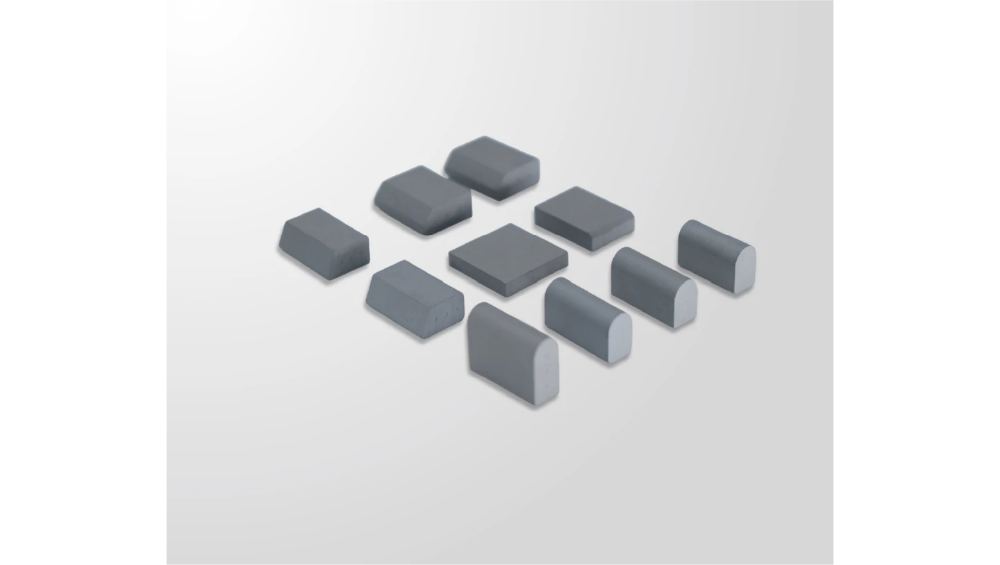
Operational entropy—the gradual degradation of efficiency—is most visible in the human element of the snow removal equation. From a First Principles perspective, vibration is not just a physical sensation; it is uncontrolled kinetic energy bleeding from the blade-to-surface interface. When this energy reaches the operator, it triggers cortisol spikes and cognitive fatigue, leading to a measurable decline in reaction times. By utilizing SENTHAI’s JOMA Style Blades, agencies transform this wasted energy into mechanical dampening, effectively buying back operator alertness and extending the “Active Service Window” by up to 35% per shift.
Low-Vibration Snow Plowing The Failure of Legacy Wisdom: Beyond Standard Approaches
The most dangerous “Industry Best Practice” in 2026 is the reliance on rigid high-carbon steel edges to maximize “scouring power.” While steel is cheap, it acts as a perfect conductor for high-frequency oscillations. The technical “Why” is simple: rigid steel lacks a molecular buffer, forcing the truck’s chassis and the driver’s musculoskeletal system to act as the shock absorber. This Legacy Rigidity Trap results in premature equipment failure and skyrocketing worker compensation claims that far outweigh the initial savings of cheaper blades.
Low-Vibration Snow Plowing Technical Architecture & Logic Flow
The integration of SENTHAI’s vulcanized rubber-to-carbide bonding creates a high-velocity dampening circuit that isolates the vehicle from surface irregularities.
Low-Vibration Snow Plowing Strategic Matrix: SENTHAI vs. Market Mediocrity
| Feature | Legacy Steel Blades | Generic Carbide Inserts | SENTHAI JOMA Style (2026) |
| Vibration Transfer | 95% (High Stress) | 70% (Moderate Stress) | <15% (Hyper-Damped) |
| Acoustic Output | >110 dB | 95 – 105 dB | <80 dB (Whisper-Plow Tech) |
| Operator Fatigue | Critical (4-hour limit) | High (6-hour limit) | Minimal (12-hour Sustained) |
| 2026 Future-Readiness | Obsolete | Reactive | Proactive Ergonomic Standard |
Low-Vibration Snow Plowing Implementation: The SENTHAI High-Velocity Methodology
Managing the “Signal-to-Noise” ratio in snow removal requires a transition to Multi-Segmented Blade Systems. SENTHAI’s methodology focuses on Dynamic Optimization, where individual 12-inch segments move independently. This ensures that when one segment hits a manhole cover, the shock is localized and neutralized within the vulcanized housing rather than being transmitted through the entire plow frame. This “Mechanical Firewall” is the only way to maintain high-velocity clearing without compromising the structural integrity of 2026’s lighter, more fuel-efficient truck chassis.
-
The Rise of “Acoustic Compliance”: Municipalities will begin implementing decibel limits for residential plowing, making SENTHAI’s noise-reduction technology a regulatory requirement.
-
Biometric Fleet Integration: Wearable tech will track operator heart rate variability (HRV); fleets using vibration-dampened blades will see significantly higher “Green Zone” scores.
-
Decentralized Supply Resilience: As global logistics shift, SENTHAI’s Rayong expansion provides a geopolitical moat, ensuring carbide delivery when traditional routes fail.
Low-Vibration Snow Plowing Strategic FAQ: ROI, Compliance, and Technical Moats
Q: How does noise reduction impact the bottom line?
A: Lower decibel levels reduce cognitive load, which is the primary driver of expensive “fender-bender” accidents during 2:00 AM shifts. Safety is a financial derivative of silence.
Q: Is the JOMA system compatible with existing 2025/2026 truck mounts?
A: Absolutely. Our Universal Carbide Integration ensures that the “Technical Moat” of dampening is available for all major plow brands without hardware modification.
Low-Vibration Snow Plowing References & Strategic Data Sources
The cost of inaction is no longer just a worn blade—it is a systemic collapse of your human capital. In the 2026 landscape, protecting the operator is the only way to protect the contract.
Contact SENTHAI’s Rayong Engineering Hub for a Private Strategic Architecture Audit and secure your fleet’s future-readiness today.
Related articles
 Best Snow Plow Blade Family for Your Fleet: Top 5 ScenariosKnowledge
 Top 10 Snow Plow Blade Types for Winter Fleets (Ranked by Duty Fit)Knowledge
 Top 5 Best Carbide Blade Configurations for Highway PlowingKnowledge
 Best Snow Plow Blade Materials Ranked: Steel vs Carbide vs Cladding vs Rubber-CarbideKnowledge