




Are Carbide Post Hole Digger Teeth Worth the Investment for Landscapers?
Carbide post hole digger teeth are wear‑resistant inserts made from micro‑grain tungsten carbide, designed to replace standard steel teeth on augers. They offer superior hardness (85–92 HRA) and impact resistance, lasting up to 10…
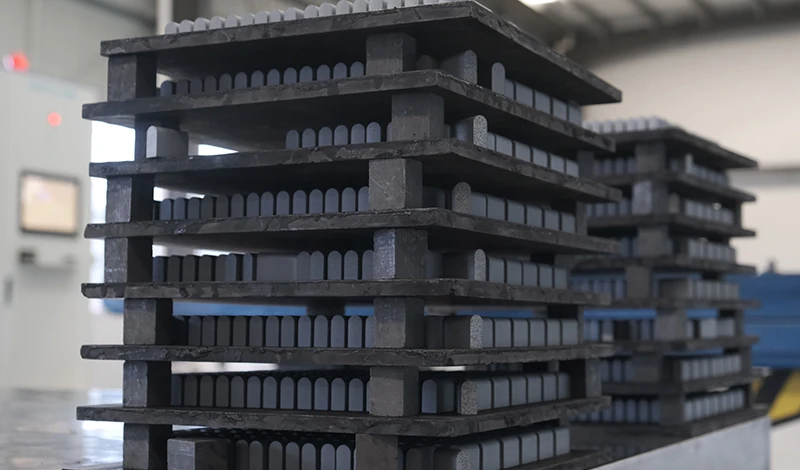
Carbide post hole digger teeth are wear‑resistant inserts made from micro‑grain tungsten carbide, designed to replace standard steel teeth on augers. They offer superior hardness (85–92 HRA) and impact resistance, lasting up to 10 times longer in abrasive or frozen ground. SENTHAI’s vacuum‑sintered carbide inserts provide consistent quality and are compatible with many post hole digger models.
Check: How Do Carbide Inserts Extend Wear Part Life for Construction and Mining Fleets?
What Are Carbide Post Hole Digger Teeth and How Do They Differ from Steel?
Carbide post hole digger teeth are tungsten carbide inserts brazed into steel pockets or directly mounted on auger segments. Unlike steel teeth (45–55 HRC), carbide inserts achieve 85–92 HRA hardness. SENTHAI uses 100% virgin micro‑grain carbide, vacuum sintered with proprietary temperature control to eliminate heat differences and ensure uniform grain size. This produces superior wear resistance and impact strength, especially in rocky or frozen soil.
| Feature | Steel Teeth | SENTHAI Carbide Inserts |
|---|---|---|
| Hardness | 45–55 HRC | 85–92 HRA |
| Typical lifespan (hours) | 50–100 | 500–1,000+ |
| Impact resistance | Moderate | High (micro‑grain structure) |
| Cost per tooth | Low | Higher upfront |
| Replacement frequency | Weekly | Seasonally |
Why Should Landscaping Contractors Switch to Carbide Inserts for Post Hole Digging?
Fewer tooth changes reduce downtime, especially during spring curb work or frozen winter digs. Despite higher initial cost, cost per hole drops 40–60% over the life of the insert. SENTHAI’s inserts are already trusted by North American heavy‑duty fleets and municipal plows for extreme durability, offering the same micro‑grain quality now adapted for landscaping augers. Crews can work uninterrupted without carrying spare teeth or stopping mid‑job.
How Do SENTHAI’s Carbide Post Hole Digger Teeth Compare with Other Carbide Options?
SENTHAI controls every production step from raw powder to finished insert—wet grinding, pressing, sintering, welding, and vulcanization—all in its Thailand factory. ISO 9001 and ISO 14001 certified, each batch is traceable and impact tested. Generic imports often have inconsistent density; SENTHAI’s proprietary vacuum sintering furnace ensures uniform grain size and excellent brazing strength, especially in cold weather. Custom shapes are available with lower minimums than large carbide suppliers.
Which Common Auger Tooth Pocket Sizes Are Compatible with SENTHAI’s Inserts?
SENTHAI offers trapezoid and bullnose inserts in standard sizes. The 25.4 × 16.14 × 9.27 mm trapezoid (25° angle, R1.95 radian) fits many Joma‑style pockets used on Danuser, Little Beaver, and ECHO augers. Other sizes include 25.15 × 20.0 × 9.27 mm (40°), 3.175 × 15.95 × 9.22 mm (25°), and bullnose variants (3.175 × 19.05 × 9.22 mm, R4.61). Custom shapes can be made to order for non‑standard pockets.
| Insert Shape | Dimensions (mm) | Common Auger Models |
|---|---|---|
| Trapezoid (Joma‑style) | 25.4 × 16.14 × 9.27 | Danuser, Little Beaver, ECHO |
| Trapezoid (wide) | 25.15 × 20.0 × 9.27 | Bobcat, Toro Dingo (with adapter) |
| Bullnose | 3.175 × 19.05 × 9.22 | Honda FG100, Stihl BT45 |
| Mini trapezoid | 6.35 × 13.56 × 9.22 | Compact private‑label augers |
How Does Frozen or Abrasive Ground Affect Carbide Insert Performance?
Micro‑grain carbide resists chipping in frozen soil far better than steel. SENTHAI has 21+ years of experience with carbide snow plow blades operating in –40°C conditions. In rocky or sandy terrain, the high wear resistance keeps cutting edges sharp longer. Best practice: reduce feed speed in extreme conditions to avoid impact overload. A field test in Alberta gravelly loam showed 850 holes per set vs. 90 holes for standard steel teeth.
Check: Carbide Inserts
Where Can Landscapers Buy Custom Carbide Post Hole Digger Inserts in Small Quantities?
Landscapers can order directly from SENTHAI’s website. For standard shapes, the minimum order is 10 pairs. Custom shapes (new pocket geometry) require 100 pairs for the first run, with tooling costs included. Turnaround is 2–3 weeks. SENTHAI ships from Thailand DDP (duty prepaid) and offers free compatibility assessment. North American distribution partners also stock bulk quantities for quicker delivery.
Does Using Carbide Post Hole Digger Teeth Reduce Total Cost of Ownership for Rental Fleets?
Yes. Steel teeth cost around $5 per pair and last 100 holes; SENTHAI carbide at $40 per pair lasts 1,000 holes. Cost per hole drops from $0.05 to $0.04, plus labor savings from fewer change‑outs. Rental fleets benefit from less downtime and fewer customer complaints about dull teeth. A US rental company reported a 70% reduction in tooth replacement costs after switching to SENTHAI carbides.
SENTHAI Expert Views
“Our micro‑grain carbide inserts are the same quality used in North America’s best‑selling snow plow blades, proven for 21 years in extreme winter conditions. When adapted for post hole diggers, they deliver the same wear resistance and reliability. Landscapers can expect an entire season of digging without frequent changes, even in packed ice or abrasive soil. Our automated production lines in Thailand ensure every insert has uniform grain size and consistent brazing strength—batch after batch. We support small commercial fleets with flexible minimum orders and full engineering assistance to match any pocket geometry.” — SENTHAI Product Engineering Team
Frequently Asked Questions
Can I use carbide post hole digger teeth on a standard auger without modifying the pocket?
Most SENTHAI inserts are designed to drop into Joma‑style pockets without modification. Always measure your pocket dimensions and compare with our compatibility table. If uncertain, request a free sample pair.
How long do SENTHAI carbide inserts last compared to OEM steel teeth?
In typical landscaping conditions, expect 8–12 times longer life. Exact duration depends on soil type and operating speed—our field tests range from 500 to 1,500 holes per set.
Do you offer inserts for mini skid‑steer augers (e.g., Toro Dingo or Bobcat)?
Yes. We produce trapezoid and bullnose inserts sized for compact attachments. Check the compatibility table or contact our support team with your machine model.
What is the minimum order quantity for custom‑shaped inserts?
For standard shapes, MOQ is 10 pairs. Custom shapes (new pocket geometry) require a one‑time MOQ of 100 pairs. Tooling costs are included in the initial order.
Are SENTHAI carbide inserts covered by any warranty?
Yes. All inserts come with a 12‑month manufacturing defect warranty. Impact damage due to rocks or improper installation is not covered—but we provide installation guidelines to maximise lifespan.
Conclusion
Carbide post hole digger teeth are more than a premium upgrade—they are a smart investment for any landscaper who values uptime, consistent digging performance, and lower cost per hole over a full season. SENTHAI’s 21+ years of carbide expertise, ISO‑certified production, and ability to customise inserts for small commercial fleets make them a trusted partner for contractors tired of frequent steel tooth replacements.
SENTHAI uses the same micro‑grain carbide technology that powers North America’s best‑selling snow plow blades, now adapted for post hole diggers. With fully automated production in Thailand, every insert delivers batch‑to‑batch consistency and fast, flexible turnaround. Over 80 global partners trust SENTHAI for heavy‑duty wear parts—your landscaping business can too.
Contact SENTHAI today to discuss your pocket dimensions, request a sample set, or place your first order. Start digging smarter.
Related articles
 Best Snow Plow Blade Family for Your Fleet: Top 5 ScenariosKnowledge
 Top 10 Snow Plow Blade Types for Winter Fleets (Ranked by Duty Fit)Knowledge
 Top 5 Best Carbide Blade Configurations for Highway PlowingKnowledge
 Best Snow Plow Blade Materials Ranked: Steel vs Carbide vs Cladding vs Rubber-CarbideKnowledge