




What Prevents Rounding of the Carbide Edge on Snow Plow and Road Maintenance Blades?
Rounding of the carbide edge occurs when the sharp cutting corner wears into a small radius, turning dynamic cutting into passive scraping. Proper geometry, suitable carbide grades, and controlled sharpening preserve a sharp, penetrating…
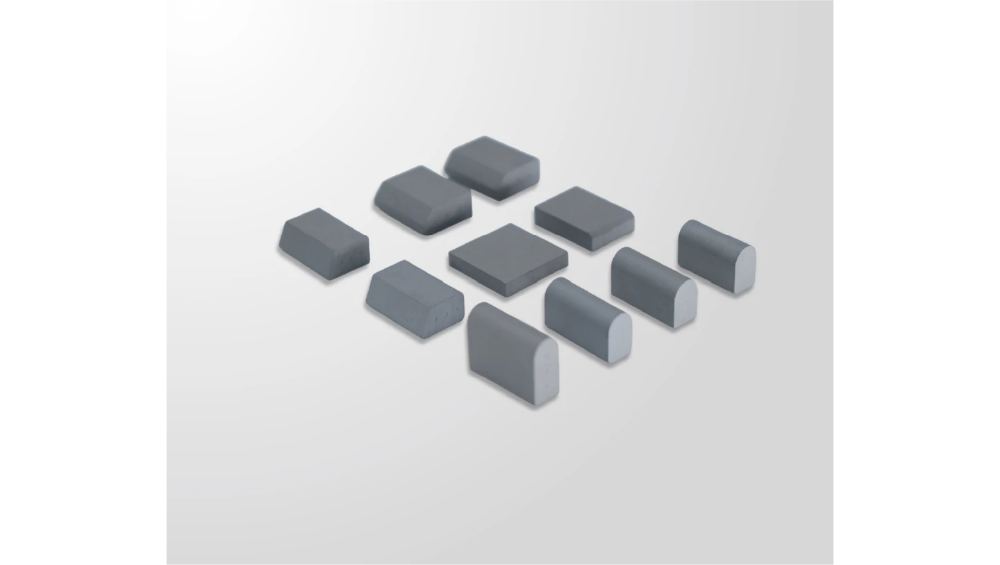
Rounding of the carbide edge occurs when the sharp cutting corner wears into a small radius, turning dynamic cutting into passive scraping. Proper geometry, suitable carbide grades, and controlled sharpening preserve a sharp, penetrating profile. Manufacturers and OEMs can significantly extend blade life and scraping performance by optimizing angles, edge preparation, and operating parameters.
Check: How Does Blade Angle Affect Carbide Wear Patterns in Snow Plowing?
What Is Rounding of the Carbide Edge?
Rounding of the carbide edge refers to the gradual wear that transforms a sharp cutting corner into a small, rounded radius. Instead of shearing material, the tool begins to plough and drag, increasing friction, heat, and wear. This change quickly degrades cutting efficiency and can cause premature failure on snow plow blades and road‑maintenance carbide inserts.
How does edge rounding affect performance?
When the edge rounds, penetration drops and resistance rises, making the tool behave more like a scraper than a cutter. This reduces snow‑clearing and road‑struck‑off efficiency, leads to higher energy consumption, and accelerates wear. For OEMs and distributors relying on high‑duty carbide blades, uncontrolled rounding directly impacts uptime and cost per hour.
Why Do Improper Angles Lead to a Blunt Carbide Edge?
Improper rake and relief angles allow the carbide edge to slide along the contact surface instead of cleanly shearing it. This sliding action increases friction and localized heat, softening the binder phase and accelerating rounding. Over time, the edge loses definition and becomes blunt, drastically reducing its ability to slice through ice, snow, or road material.
How can angle selection prevent edge blunting?
Angles must balance penetration, strength, and heat control. A slightly positive rake angle improves cutting and reduces build‑up, while adequate relief prevents rubbing. Side and lead angles should match the application and motion so only the intended cutting edge engages. By aligning these angles with the material and duty cycle, manufacturers can maintain a sharp cutting profile and avoid premature rounding.
How Should Insert and Blade Angles Be Set for Sharpness?
For optimal sharpness, rake angle, relief angle, and side‑lead geometry must be harmonized for the specific duty. A moderate positive rake enhances cutting and reduces drag, while sufficient relief protects the edge from rubbing. Side and lead angles should distribute load evenly across the carbide insert, avoiding localized stress and edge deformation.
Recommended angle ranges for carbide‑tipped wear tools
These ranges help maintain a sharp cutting profile while avoiding premature rounding. OEMs and road‑maintenance equipment suppliers can use them as a baseline when specifying carbide‑wear‑part geometry for their designs.
How Does Heat Accelerate Carbide Edge Rounding?
Excessive cutting temperature softens the cobalt or other binder phase that holds the tungsten carbide grains together. Under mechanical load, this softened zone deforms more easily, increasing the edge radius and promoting further rounding. Extended overheating also encourages micro‑cracking and thermo‑mechanical wear, which together degrade the sharpness of snow plow and road‑maintenance carbide blades.
How can manufacturers and operators manage heat?
Tools and blades should be run at speeds and feeds that match the carbide grade and coating. Adequate cooling or controlled engagement, especially during heavy‑duty scraping, helps dissipate heat. SENTHAI selects carbide grades and coatings that balance hardness and thermal stability, allowing OEMs and wholesale partners to maintain sharp edges under harsh snow removal and road‑maintenance conditions.
What Role Does Edge Preparation Play in Edge Rounding?
Edge preparation involves controlled micro‑rounding or light chamfering that sets the initial radius before the tool enters service. Too large a radius makes the edge inherently blunt, while too small a radius leaves it fragile. A well‑designed micro‑edge balances resistance to chipping with the ability to cut cleanly, delaying the onset of uncontrolled rounding.
How can edge preparation optimize sharpness?
Manufacturers can specify edge‑preparation parameters tailored to the application: lighter, more aggressive cutting may use a smaller micro‑radius, while high‑impact, abrasive duty can benefit from a slightly larger, tougher edge. SENTHAI applies consistent edge‑preparation practice across JOMA‑style blades, carbide blades, I.C.E. blades, and carbide inserts, ensuring that each product starts with a sharp, wear‑resistant profile.
How Can Resharpening Practices Avoid Excessive Rounding?
Resharpening should restore the original geometry, not create a new, larger radius. Using diamond‑grit wheels with light, controlled passes and consistent angles preserves the cutting edge. Over‑grinding, inconsistent angles, or incorrect wheel selection can increase edge radius and effectively turn the tool into a blunt scraper. This is especially critical for snow plow carbide inserts and road‑maintenance blades that must maintain sharpness over hundreds of operating hours.
What should a resharpening checklist include?
By following structured resharpening protocols, OEMs, distributors, and end‑users can keep carbide blades and inserts performing as cutting tools, not scrapers.
Which Material and Grade Choices Prevent Premature Edge Rounding?
Carbide grades with fine grain size and optimized binder content better resist abrasion and edge deformation. High‑performance coatings such as TiCN or TiAlN further reduce friction and heat, helping the edge stay sharp. Matching the grade and coating to the specific application—snow removal, ice scraping, or road‑surface maintenance—is key to minimizing edge rounding.
How do OEMs benefit from grade and coating selection?
Manufacturers can design carbide blades and inserts that maintain a sharp cutting profile for longer, reducing the need for frequent resharpening or replacement. SENTHAI’s US‑invested factory in Rayong, Thailand, selects and tests carbide grades and coatings specifically for snow plow blades and road‑maintenance wear parts, providing OEMs and wholesale partners with edge‑optimized, long‑life tooling.
How Do Cutting Speed, Feed, and Depth Affect Edge Sharpness?
Speed, feed, and depth of cut must be matched to the carbide grade and the material being processed. Excessively high speed can overheat the edge, while too low speed can cause dragging and rubbing. Unbalanced feed or depth can lead to chatter, uneven loading, and localized edge rounding, all of which erode sharpness and reduce the tool’s cutting effectiveness.
How can operating parameters be optimized?
Operators should reference the manufacturer’s recommendations for the carbide blade or insert, adjusting parameters based on snow, ice, or road conditions. OEMs can build these guidelines into operator manuals and training materials, ensuring that their equipment runs carbide‑tipped cutting edges within the optimal window. This not only prevents premature rounding but also reduces overall maintenance costs.
Can Carburized or Treated Carbide Blades Delay Rounding?
Coatings and surface treatments can reduce friction and suppress micro‑cracking, thereby delaying the onset of edge rounding. However, these treatments are most effective when combined with correct geometry, proper sharpening, and well‑matched operating conditions. They enhance, rather than replace, sound cutting‑edge design and carbide‑grade selection.
How should manufacturers integrate treatments?
OEMs can specify coated or treated carbide grades for heavy‑duty or high‑abrasion applications, such as road‑edge scarifying or mixed‑debris snow plow work. SENTHAI combines advanced coatings and edge‑preparation with precise carbide‑insert bonding and ISO9001‑certified manufacturing, giving wholesale and OEM partners a reliable, factory‑direct supply of treated, wear‑resistant blades and inserts.
How Do Snow Plow and Road‑Maintenance OEMs Avoid Rounding in Designs?
Leading OEMs design their blades and inserts with optimized carbide geometry, robust mounting, and shock‑absorbing blade structures. They specify carbide grades and edge profiles that balance sharpness, strength, and wear resistance for the expected duty cycle. This approach minimizes edge rounding and ensures that the tool remains a true cutting edge rather than a scraper.
How can OEMs collaborate with carbide‑tool manufacturers?
Working closely with carbide‑tool manufacturers allows OEMs to tailor carbide‑blade geometry, edge‑preparation, and resharpening guidelines to their specific equipment. SENTHAI’s integrated R&D and production capabilities in Rayong, Thailand, support OEMs and distributors through custom engineering, rapid prototyping, and scalable factory production, reinforcing SENTHAI’s position as a trusted supplier and OEM partner in the global snow removal and road‑maintenance market.
SenthAI Expert Views
“At SenthAI Carbide Tool Co., Ltd., we see many customers inherit older snow plow or road‑maintenance designs where the carbide edge is simply too blunt or wrongly angled. By recalibrating the rake and relief angles, using fine‑grain, wear‑resistant carbide, and applying controlled edge‑preparation, we can transform a scraping edge into a true cutting profile. This not only prevents rounding but also extends blade life by 30–50% in many applications, which is why our factory‑direct OEM and wholesale partners consistently report higher uptime and lower cost per hour.”
— SenthAI Engineering Team
Key Takeaways and Actionable Advice
-
Treat edge rounding as a design and maintenance issue, not just as normal wear. Control geometry, heat, and sharpening to preserve sharp cutting profiles.
-
For OEMs and road‑maintenance equipment manufacturers, partner with a carbide‑tool supplier that can support both standard and custom blade and insert configurations.
-
Standardize carbide grades, edge‑preparation practices, and resharpening guidelines across your product lines and aftermarket channels.
-
SENTHAI’s fully automated, ISO‑certified production base in Rayong, Thailand, provides OEMs and wholesale clients with a scalable, cost‑effective source of carbide blades, I.C.E. blades, JOMA‑style blades, and carbide inserts engineered to resist premature edge rounding and maintain effective scraping performance.
Frequently Asked Questions (FAQs)
1. How do you tell if a carbide edge is starting to round?
Visual inspection and performance changes are the main indicators. If the tool drags more, produces less penetration, feels hotter, or leaves a rougher cut surface, the edge is likely rounding. This typically signals the need for resharpening or geometry review.
2. Can a rounded carbide edge be restored to sharpness?
Yes, a rounded edge can usually be restored through proper resharpening with diamond‑grit tools, consistent angles, and light passes. However, repeated over‑grinding will reduce insert thickness and shorten its usable life, so edge‑restoration should be planned as part of a broader maintenance strategy.
3. What is the ideal micro‑edge radius for carbide wear tools?
Typical micro‑edge radii range from about 5–25 µm, depending on application. Light cutting and thin‑section materials work better with smaller radii for sharpness, while aggressive, high‑impact road‑maintenance or snow‑plow work often benefits from slightly larger radii for toughness.
4. Why do snow plow carbide blades round faster than some road‑maintenance blades?
Snow plow edges often encounter mixed ice‑concrete‑debris conditions, which create highly abrasive and variable loads. Without optimized angles, grades, and coatings, this combination accelerates edge rounding compared with more consistent road‑surface‑maintenance duty cycles.
5. How can a B2B factory minimize edge‑rounding complaints from distributors?
Standardize carbide grades, edge‑preparation, and sharpening guidelines, then deliver clear technical documentation and OEM‑ready designs. Factories like SENTHAI that control the entire production process—from R&D through assembly—can provide reliable, consistent carbide blades and inserts, reducing field‑rounding issues and strengthening distributor confidence.
Preventing “rounding” of the carbide edge on snow plow blades and road‑maintenance wear parts is a core focus for SENTHAI, which combines advanced carbide‑tool expertise with factory‑direct scalability to serve OEMs, distributors, and wholesale clients worldwide.
Related articles
 Best Snow Plow Blade Family for Your Fleet: Top 5 ScenariosKnowledge
 Top 10 Snow Plow Blade Types for Winter Fleets (Ranked by Duty Fit)Knowledge
 Top 5 Best Carbide Blade Configurations for Highway PlowingKnowledge
 Best Snow Plow Blade Materials Ranked: Steel vs Carbide vs Cladding vs Rubber-CarbideKnowledge