




Top 5 Reasons Utility Blades Go Dull and How Carbide Solves It
Utility blades dull quickly in demanding industrial settings for five reasons — abrasive materials, friction and heat buildup, repetitive cutting on thin edges, improper storage, and forceful cuts on tough substrates — and carbide…
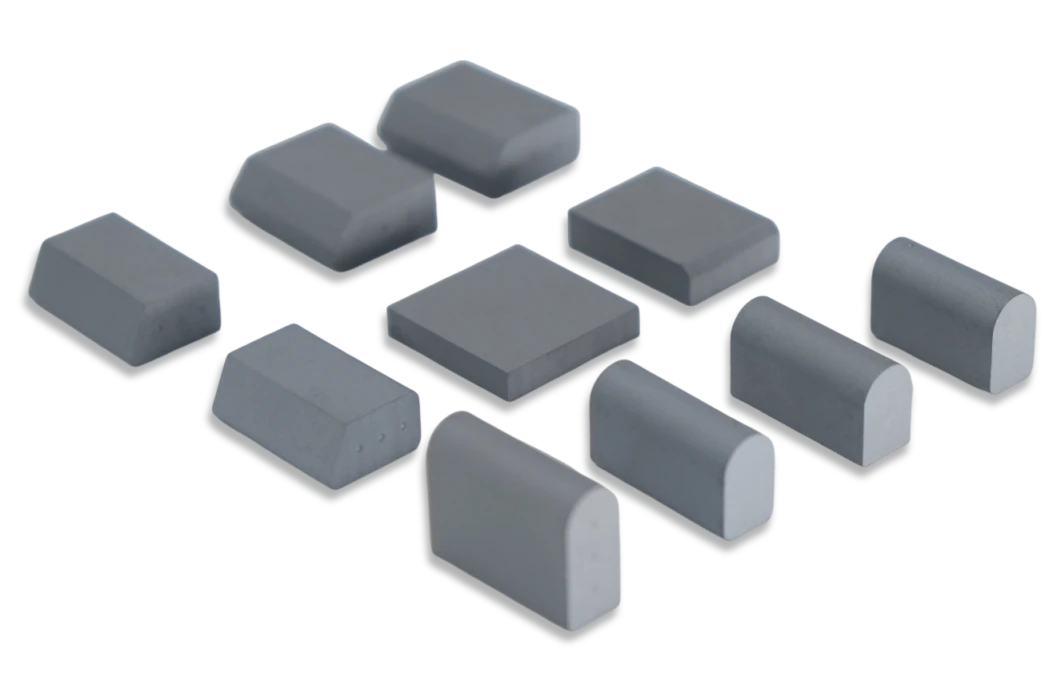
Utility blades dull quickly in demanding industrial settings for five reasons — abrasive materials, friction and heat buildup, repetitive cutting on thin edges, improper storage, and forceful cuts on tough substrates — and carbide solves all of them by holding a sharp edge 10× longer than steel. Workers notice dulling when cuts turn jagged, require extra force, or produce grinding sounds during operation; carbide utility knife blades change the economics of industrial cutting by tackling wear head-on.
(Last modified date: September 7, 2026)
Quick definition: See also micro-grain tungsten carbide edge technology and heavy-duty cutting edges for municipal snow removal.
Key Takeaways
- The top five dulling causes: abrasive materials, wrong blade hardness, excessive cutting pressure, poor alignment or setup, and frequent contact with hard or dirty surfaces.
- Steel edges deform, round over, and micro-chip under abrasive loads; carbide maintains sharpness through thousands of passes.
- Carbide’s thermal conductivity dissipates heat better than steel, resisting softening in high-speed work.
- Lower cutting pressure with a sharp carbide edge reduces operator fatigue and safety risk; see why carbide utility knife blades matter for manufacturers.
The Top 5 Reasons Utility Blades Go Dull
- Abrasive materials destroy steel edges. Cardboard stacks with fillers, fiberglass insulation, and silica-containing plastics erode steel rapidly; carbide shrugs off these abrasives.
- Friction and heat buildup in high-speed work. Heat softens steel edges; carbide’s superior thermal conductivity dissipates warmth without losing edge integrity.
- Repetitive cutting wears thin edges. Endless repetition on roofing felt, drywall, or composites compounds micro-chipping and rounding.
- Improper storage speeds deterioration. Corrosion and contact damage dull stored edges; protected storage extends life.
- Forceful cuts on tough substrates. Excessive pressure increases friction, heat, and edge deformation, causing premature wear and micro-chipping.
How Carbide Utility Blades Outperform Steel
| Factor | Steel blades | Carbide blades |
|---|---|---|
| Hardness | Lower; deforms under load | Very high; resists deformation |
| Abrasion resistance | Poor on fillers, glass, silica | Excellent |
| Heat tolerance | Softens under friction | Dissipates heat, stays sharp |
| Blade life | Baseline | 10× or more |
See also micro-grain tungsten carbide edge technology and heavy-duty cutting edges for municipal snow removal.
Safety Gains from Sharp Carbide Edges
Dull blades force workers to press harder, increasing slips, repetitive strain injuries, and accidental cuts. Sharp carbide edges let operators use lighter, controlled motions with less fatigue. On mechanized cutters, stable sharpness reduces manual rework and post-processing that expose workers to sharp edges — the same logic that makes carbide valuable in road maintenance and snow removal.
Real User Cases Prove Carbide ROI
Industrial teams switching to carbide report blade life extending 10× or more, cutting downtime and replacement expenses. Fewer blade changes mean less production interruption, lower inventory cost, and more consistent cut quality across shifts. See also how a 21-year carbide veteran solves cutter replacement problems and how arctic-grade blades solve winter maintenance challenges.
FAQs
What are the top 5 reasons utility blades go dull quickly?
Excessive abrasive material, wrong blade hardness, too much cutting pressure, poor alignment or setup, and frequent contact with hard or dirty surfaces — these accelerate edge wear, cause micro-chipping, and reduce cutting performance.
Why do standard steel blades dull faster than carbide-tipped blades?
Steel has lower hardness and wear resistance than carbide. Under heavy loads and abrasive conditions, steel edges deform, round over, and chip, while carbide-tipped blades maintain sharpness much longer.
How does abrasive material wear down utility blades?
Sand, grit, and debris create constant friction that erodes the cutting edge and causes micro-chipping, wearing the blade thinner and duller unevenly. Carbide-reinforced blades significantly reduce this wear.
Does cutting pressure affect how fast a utility blade goes dull?
Yes. Excessive pressure increases friction, heat, and edge deformation, rapidly dulling the blade. Properly engineered carbide blades let operators maintain lower pressure while still achieving clean cuts.
How does misalignment or poor setup dull utility blades?
Misaligned holders, uneven mounting, or off-angle contact create uneven loading, leading to one-sided wear and rapid dulling. Precise carbide tip placement helps maintain consistent alignment and wear distribution.
Related Articles
- What Are Carbide Utility Knife Blades and Why Are They Essential for Manufacturers?
- Micro Grain Tungsten Carbide Snow Plow Edge Technology Explained
- Heavy-Duty Snow Plow Cutting Edge for Municipal Snow Removal in 2026
- Can a 21-Year Carbide Veteran Solve Your TBM Cutter Replacement Problems?
Official Resources
References
Related articles
 How to Select a Rear Snow Plow Blade for Professional Snow RemovalHot Products
 What John Deere Snow Plow Blade Sizes Fit 1-5 Series Tractors?Hot Products
 How to Set Back Blade Snow Plow Height on Gravel Roads?Hot Products
 How Does HRA Hardness in Tungsten Carbide Snow Plow Blades Handle High-Speed Impacts?Hot Products