




How Much Does a Western Plow Cost and What Are the Savings From Upgrading to Carbide Cutting Edges
A commercial Western snow plow typically costs $4,500 to $9,200 depending on the model, but the real savings come from upgrading the factory steel cutting edges to tungsten carbide inserts — cutting Total Cost…
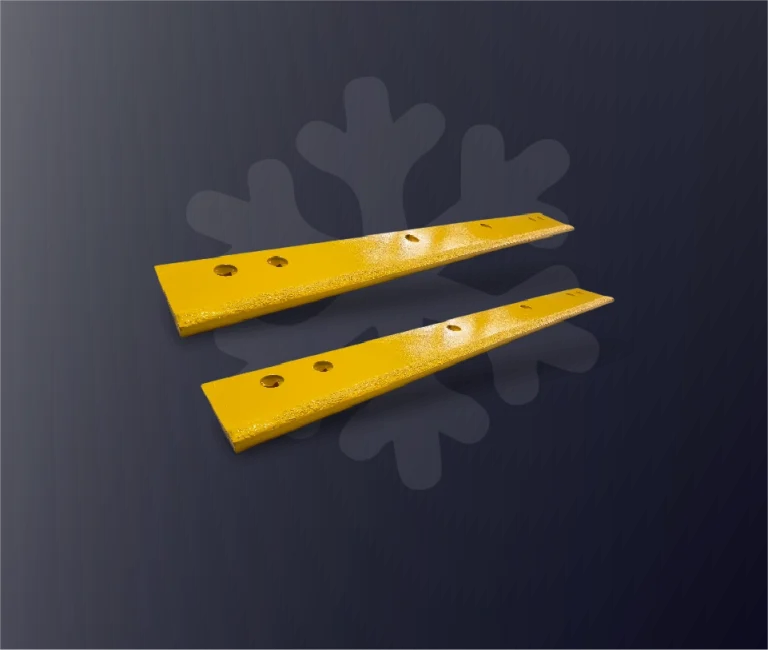
A commercial Western snow plow typically costs $4,500 to $9,200 depending on the model, but the real savings come from upgrading the factory steel cutting edges to tungsten carbide inserts — cutting Total Cost of Ownership by about 40% through 600–1,000 hours of wear life versus 150–200 hours, and eliminating frequent replacement labor. For snow removal contractors and fleet managers, the purchase price is only the beginning; the operational cost of steel edges is the hidden expense that carbide removes.
(Last modified date: September 7, 2026)
Quick definition: Carbide is hard and brittle, making it more susceptible to chipping or breakage under heavy impacts from curbs, manholes, bridge joints, and uneven pavement.
Key Takeaways
- Western plow pricing spans $3,949 (MIDWEIGHT straight blade) to $8,255–$10,319 (MVP 3 V-Plow), with dealer retail higher than base price.
- Factory steel edges last 150–200 hours (sometimes 20–30 hours in extreme abrasive conditions); carbide blades deliver 600–1,000 hours.
- Carbide upgrades cut annual replacement cost from $800–$1,200 to $300–$500 per plow and downtime from 20–30 hours to 5–10 hours per season.
- Verify bolt-hole patterns and compatibility before ordering — see carbide rubber cutting edges and advanced plow bolts.
Western Plow Price Ranges for Commercial Buyers
| Western model | Type | Base price | Typical retail price |
|---|---|---|---|
| MIDWEIGHT | Straight blade | $3,949 | $4,200–$4,500 |
| PRO PLUS | Straight blade | $4,649 | $6,700–$7,000 |
| PRO-PLOW® 3 | Straight blade | N/A | $7,361 |
| MVP 3™ | V-Plow | $8,255 | $9,200–$10,300 |
| MVP PLUS | V-Plow | N/A | $9,500+ |
These figures represent the initial purchase price only; the true financial picture emerges when analyzing operational expenditure over the first 100 plowing hours.
The Hidden Labor Tax of Factory Steel Cutting Edges
Factory-issued carbon steel edges that come standard with Western plows often wear out in 150–200 hours of abrasive commercial asphalt scraping, with some contractors reporting replacement every 20–30 hours in extreme conditions. This creates a “hidden labor tax”: the shop hours spent swapping bent steel edges, plus lost service-level-agreement penalties when a truck goes down during a blizzard. A Midwest municipal contractor scenario illustrates the impact: steel edges wore 40% faster on salted roads, costing $4,500/year in replacements; monthly swaps required 25 hours of downtime annually. After switching to carbide, one blade lasted the full season, cutting downtime to 4 hours and saving $3,200 with 80% less labor. For fleets operating 10+ plows, these differences compound into tens of thousands of dollars in avoided labor and hardware costs.
Carbide vs Steel: Wear Life and Cost-Per-Mile Comparison
| Feature | Traditional steel/poly edges | Carbide blades (e.g., SENTHAI) |
|---|---|---|
| Wear life (hours) | 150–200 | 600–1,000 |
| Annual replacement cost | $800–$1,200 | $300–$500 |
| Cutting efficiency on ice | Fair (slips) | Excellent (sharp edge) |
| Downtime per season | 20–30 hours | 5–10 hours |
| Fuel impact | +10–15% consumption | Neutral to −10–15% |
| Compatibility with Western | Standard | Full (JOMA, I.C.E. styles) |
Tungsten carbide-tipped edges offer wear life up to 20× that of high-carbon steel and about 2× that of Hardox 500 steel in abrasive conditions, translating to a 40% TCO reduction. The key insight for procurement: carbide’s higher upfront cost ($300–$600 vs $150–$250 for steel) is offset by 3× longevity, making it the lower-cost option over a full winter season.
When Carbide Is Not the Best Choice for Your Route
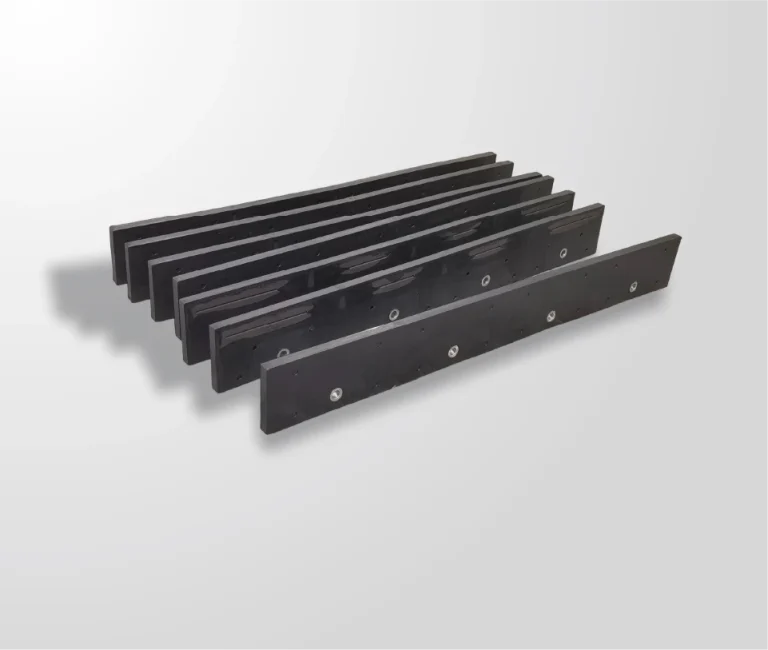
Carbide is hard and brittle, making it more susceptible to chipping or breakage under heavy impacts from curbs, manholes, bridge joints, and uneven pavement. Road surface matters: highways with abrasives favor carbide; decorative pavements and sidewalks favor rubber or polyurethane; gravel roads, brick surfaces, and expansion joints suit polyurethane’s flexibility; and extreme cold with icy conditions makes rubber stiff and ineffective. For contractors worried about surface damage but wanting carbide longevity, floating cutting-edge systems with spring-loaded carbide sections provide forgiveness on crowns or depressions while maintaining scraping pressure. See also top 8 snow plow blade manufacturers and how municipalities select durable snow blades.
Procurement Mistakes That Increase Lifecycle Costs
- Buying only by unit price instead of lifecycle cost.
- Ignoring impact exposure — assess route obstacle density before committing to carbide.
- Ordering without verifying dimensions, bolt patterns, and compatibility (Western uses 3-hole, 4-hole, and center segments; exact-fit edges must match).
- Treating wear-life claims as universal rather than route-dependent — field trials before fleet-wide procurement are essential.
- Failing to ask about batch traceability, QC process, and material sourcing.
- Ignoring delivery reliability before winter peaks — tungsten raw material prices have climbed 5–10× over 18 months, so order early.
How to Calculate ROI for Carbide Upgrades
Use a cost-per-cleared-mile framework rather than purchase-price-only thinking. Start with the initial investment difference (carbide $300–$600 minus steel $150–$250), then add annual replacement cost savings, avoided downtime (20–30 hours vs 5–10 hours), reduced labor, and fuel savings of 10–15% from sharper cutting. Most commercial operators recover the carbide premium within a season and then bank 25–40% lifecycle savings.
FAQs
What is the average price of a commercial Western V-plow?
A commercial Western MVP 3™ V-Plow typically costs $8,255 to $10,319, with dealer retail around $9,200–$9,500 depending on configuration and region.
How can a commercial contractor save money on Western snow plow maintenance?
Upgrade to carbide cutting edges, which last 600–1,000 hours versus 150–200 hours for steel, reducing annual replacement costs from $800–$1,200 to $300–$500 and cutting downtime from 20–30 hours to 5–10 hours per season.
How long do factory standard steel edges last on a Western MVP3 plow?
Factory standard steel edges typically wear out after 150–200 hours of commercial use, with some contractors reporting replacement every 20–30 hours in extreme abrasive conditions on salted roads.
What is the ROI of installing carbide inserts on Western equipment?
The ROI delivers a 40% reduction in Total Cost of Ownership through extended durability (3–5× longer wear life), 60% fewer annual replacements, and significant labor/downtime savings, with one blade covering 600–1,000 hours.
How do aftermarket cutting edges reduce total cost of ownership for snow removal fleets?
Aftermarket carbide edges reduce TCO by eliminating frequent replacement labor, hardware costs, and truck downtime while improving cutting efficiency (reducing fuel use 10–15%), resulting in 25–30% lifecycle savings.
Related Articles
- How Can Advanced Plow Bolts Redefine Road Maintenance Efficiency?
- Top 8 Snow Plow Blade Manufacturers in 2026
- How Can Municipalities Select a Durable Snow Blade?
- What Is a Carbide Rubber Cutting Edge?
Official Resources
References
Related articles
 Best Snow Plow Blade Family for Your Fleet: Top 5 ScenariosKnowledge
 Top 10 Snow Plow Blade Types for Winter Fleets (Ranked by Duty Fit)Knowledge
 Top 5 Best Carbide Blade Configurations for Highway PlowingKnowledge
 Best Snow Plow Blade Materials Ranked: Steel vs Carbide vs Cladding vs Rubber-CarbideKnowledge