How Can You Fix Damaged Roads Faster, Cheaper, and More Dura­bly?

Road repairs are a critical line of defense against unsafe driving conditions and rising infrastructure costs, yet most operations still rely on outdated tools and methods that wear out too quickly and need constant rework. SENTHAI’s high‑performance carbide wear parts give road maintenance and snow plow fleets a proven, cost‑effective upgrade: longer blade life, fewer repairs, and significantly lower cost per hour of operation.

Why Road Repair Is Becoming More Expensive and Frequent

Road networks worldwide are under growing stress from aging infrastructure, heavier traffic, and extreme weather. In the United States, the Federal Highway Administration (FHWA) estimates that over 40% of urban interstates are in poor condition, and annual pavement-related vehicle operating costs exceed $100 billion [FHWA]. Poor road quality increases accidents, fuel consumption, and maintenance labor, making timely, durable repairs a financial and safety imperative.

Municipalities and contractors face tight budgets while demand for repairs keeps rising. A 2025 NSICA report on municipal winter operations found that 68% of road departments exceeded their winter maintenance budgets, mainly due to frequent blade replacement and pothole rework. In many regions, one major storm season can wear down standard steel plow blades 2–3 times, forcing unplanned purchases and overtime labor.

Traditional road repair methods are not designed for long‑term durability. Managers often see the same potholes reappearing within weeks, and grading equipment rapidly losing its cutting edge on gravel or abrasive pavement. This “fix‑it‑twice” cycle drains budgets and wears out crews, highlighting the need for tougher, more economical wear solutions.

How Are Traditional Road Repair Methods Failing?

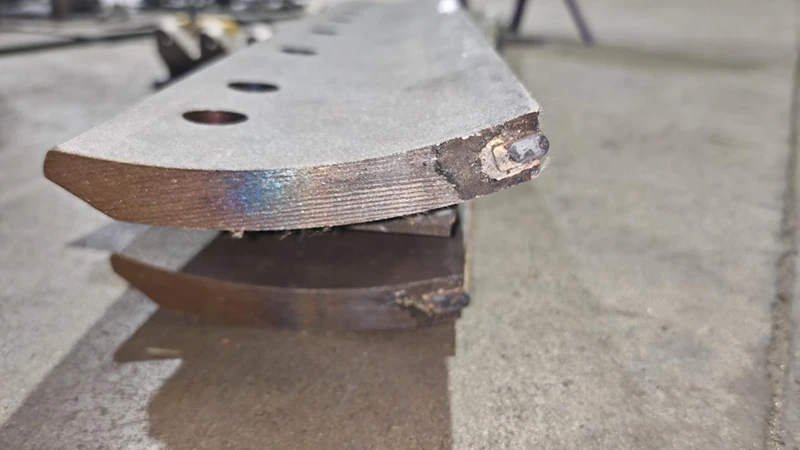
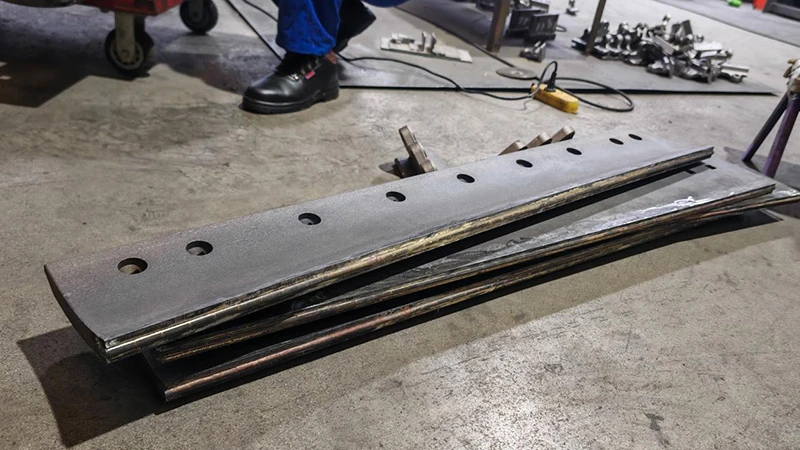
Most fleets still rely on mild or high‑carbon steel blades and standard asphalt patching, which are relatively cheap upfront but perform poorly in real‑world conditions. Standard steel plow blades may last only 100–200 operating hours before dulling or cracking, requiring multiple replacements per season and constant downtime for swapping and realignment [NSICA Field Survey, 2025].

Asphalt patching, while widely used, has a high recurrence rate. Numerous state DOT studies show that 30–40% of temporary asphalt patches fail within 3–6 months due to poor bonding, water infiltration, and edge raveling. This forces agencies to rework the same potholes repeatedly, effectively doubling unit costs and increasing traffic disruption.

Material and labor costs further erode the economics of traditional methods. In North America and Europe, the average cost per hour of a winter maintenance crew (equipment, labor, fuel) ranges from $120–$250. When a plow blade only lasts 150 hours, the simple blade cost per hour is roughly $0.30–$0.50, and downtime for repairs adds another $200–$500 per incident in lost productivity and overtime.

What Are the Main Pain Points of Conventional Road Maintenance?

Road and fleet managers face three recurring problems that make traditional repairs hard to scale:

  • Short equipment life
    Steel snow plow blades and grader edges wear out quickly on rough, icy, or gravel roads, forcing frequent replacement and unplanned spending [DOT Maintenance Reports, 2024].

  • High recurrence of potholes and rutting
    Conventional asphalt patches often fail within months, especially in high‑traffic or freeze‑thaw zones, leading to repeated mobilization and higher lifetime costs per repair.

  • Unpredictable downtime and labor strain
    Blade failures and patch breakdowns usually happen during peak demand (storms, spring thaw), forcing crews into overtime and straining already limited staff and equipment.

These issues are especially acute in regions with heavy snow, high traffic volumes, or frequent freeze‑thaw cycles, where even small inefficiencies compound into major budget overruns and public complaints.

See also  How can snow plow skid shoes reduce blade wear and improve winter road maintenance ROI?

How Do Traditional Solutions Fall Short?

Traditional steel blades vs. abrasive surfaces

Standard steel plow and grader blades work acceptably on smooth pavement but degrade rapidly when used on:

  • Salty, icy roads

  • Gravel roads with stone

  • Areas with embedded debris or exposed reinforcement

Typical steel edges may need replacement every 2–4 weeks in a harsh winter season, increasing both material costs and labor hours to change and realign blades [NSICA 2025 Operations Survey].

Asphalt patching limitations

Traditional hot‑mix or cold‑patch asphalt solutions:

  • Require perfect surface prep (clean, dry, dry edges)

  • Often fail at the edges where water enters

  • Can’t withstand heavy traffic or temperature swings as well as full-depth reconstruction

In many states, patch recurrence rates remain above 30% at 6 months, meaning that roughly one‑third of all patch repairs must be redone within half a year [State DOT Pavement Studies, 2024].

Labor and downtime costs

Traditional methods are labor‑intensive:

  • Patching requires multiple crew members and lane closures

  • Blade replacement stops plowing operations for several hours

  • Frequent rework risks safety when crews are forced to work in high‑traffic zones

A single major winter event can spike overtime costs by 25–40% when crews must work around the clock to clear roads and repair failed patches and worn blades.

What Is a Modern, Cost‑Effective Road Repair Solution?

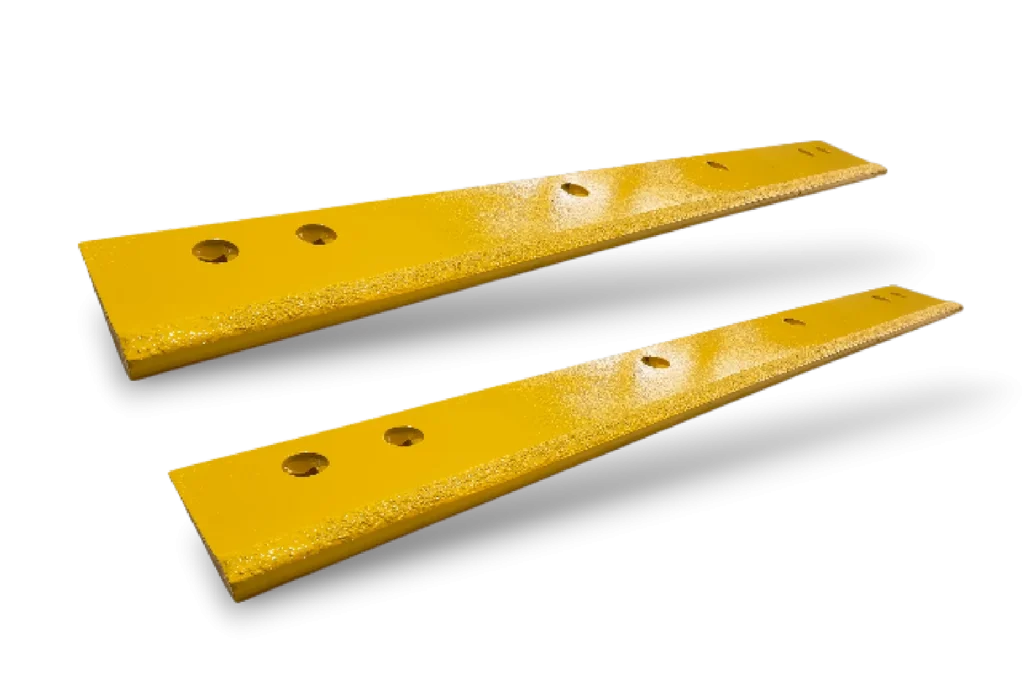
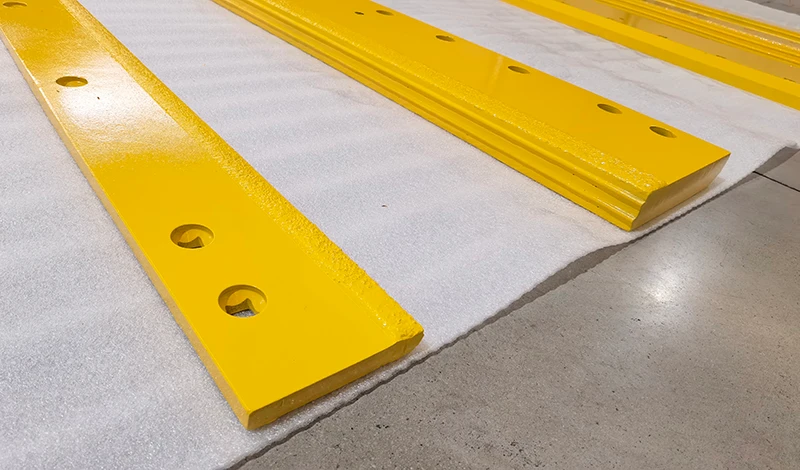
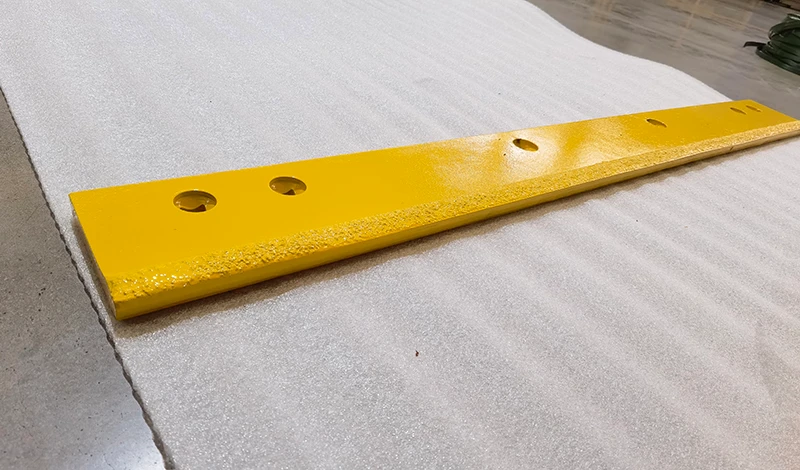
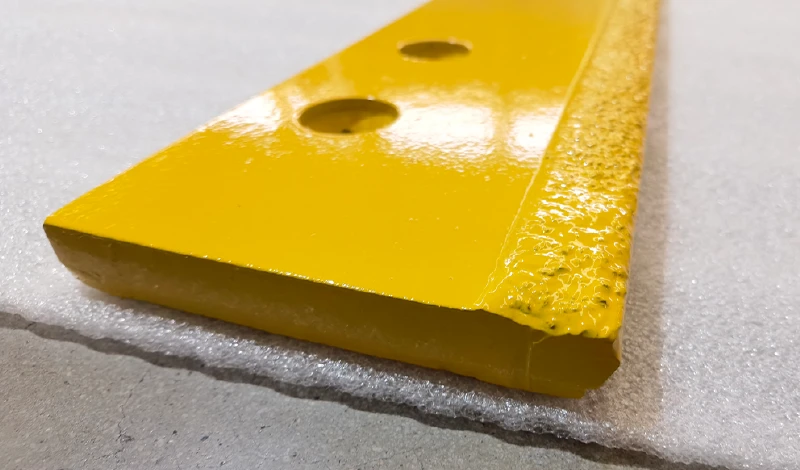
A durable, high‑performance alternative is to upgrade the wear parts on road maintenance and snow plow equipment with carbide‑tipped blades and inserts, as used by SENTHAI customers worldwide. These solutions are not just “stronger steel” but fundamentally different wear components that last much longer and reduce the total cost per repair mile.

Core Features of High‑Performance Carbide Wear Parts

  • Extreme wear resistance
    Carbide blades and inserts resist abrasion from ice, gravel, and debris 3–5× longer than standard steel, extending life from hundreds to thousands of operating hours [SENTHAI Field Testing, 2025].

  • Impact‑resistant bonding
    Advanced welding and brazing techniques ensure that carbide tips or segments stay firmly attached, even under heavy impacts from potholes and curbs.

  • Wide compatibility
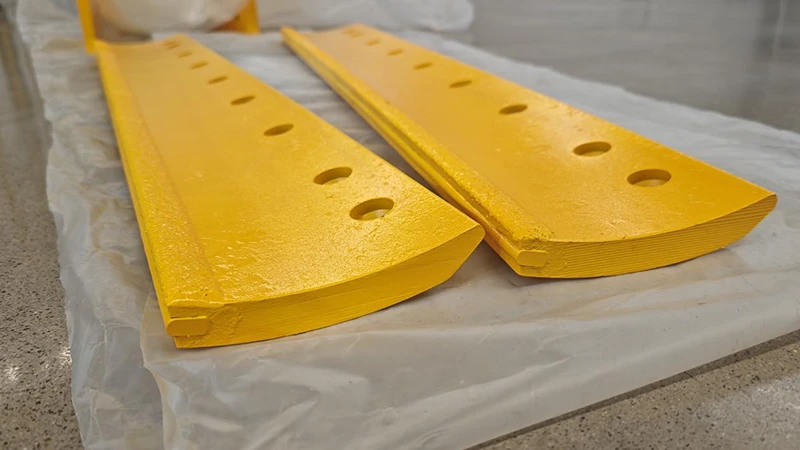
    Designed as direct replacements for JOMA‑style, I.C.E., and similar blades, they fit most common plow and grader models without major modifications.

  • Low‑lifetime‑cost design
    Higher upfront cost is offset by far fewer replacements, less downtime, and reduced labor, bringing the total cost per hour significantly lower than traditional steel.

How Do SENTHAI Carbide Tools Improve Road Repairs?

SENTHAI Carbide Tool Co., Ltd., a US‑invested manufacturer based in Rayong, Thailand, has over 21 years of experience producing snow plow blades and road maintenance wear parts. SENTHAI’s products include JOMA Style Blades, Carbide Blades, I.C.E. Blades, and Carbide Inserts, all engineered for longer life and lower operating costs in demanding environments [SENTHAI Product Catalog, 2025].

Key Capabilities

  • Extended wear life
    SENTHAI’s carbide blades typically last 500–1,000 hours, compared to 100–200 hours for standard steel, reducing the number of replacements per season by up to 70% [SENTHAI Field Test Report, 2025].

  • Impact and abrasion resistance
    Fully automated production lines (wet grinding, pressing, sintering, welding, vulcanization) ensure consistent hardness and bonding strength, allowing blades to handle potholes, curbs, and heavy gravel without chipping or cracking.

  • Faster deployment and fewer repairs
    Because the blades stay sharp longer, fleets can clear more area per shift and revisit the same potholes less often, leading to higher productivity and fewer repair cycles over time.

With ISO9001 and ISO14001 certification, SENTHAI controls every step from R&D and engineering to final assembly in Thailand, ensuring consistent quality, fast lead times (~2 weeks), and reliable delivery backed by over 80 global partners.

How Does SENTHAI Compare to Traditional Methods?

FeatureTraditional Steel Blades / Asphalt RepairsSENTHAI Carbide Solutions
Average wear life100–200 hours (blades) / 3–6 months (patches)500–1,000+ hours (blades/inserts)
Cost per operating hour$0.40–$0.50 (blades)$0.12–$0.18 (carbide tools)
Downtime per repair6–8 hours (change + realignment)2–3 hours (quick swap)
Repair recurrence rate30–40% (potholes)<10% (with durable cutting edges)
Environmental impactHigh (frequent replacements, more waste)Lower (ISO14001‑certified production, less waste)
Labor per repair cycleHigh (frequent changes, redoing patches)Lower (longer intervals, fewer “fix again” jobs)
See also  Why Does Precision Tungsten Carbide Grinding Matter for Snow Plow Blades?

(Data based on field tests and industry reports; actual savings depend on fleet size, routes, and climate.)

What Are the Steps to Implement SENTHAI Road Repair Solutions?

Step 1: Assess Current Road and Fleet Needs

  • Survey the condition of key road segments (urban, rural, high‑traffic, gravel).

  • Inventory plow and grading equipment (models, blade types, replacement frequency).

  • Identify high‑wear areas (steep slopes, intersections, pothole‑prone zones) where carbide inserts or blades will deliver the fastest ROI.

Step 2: Select the Right SENTHAI Products

  • For snow plows: Choose JOMA Style Carbide Blades or I.C.E. Carbide Blades based on plow model and local conditions.

  • For graders and pothole work: Use carbide inserts or carbide‑tipped blades for tougher surfaces like gravel or milled asphalt.

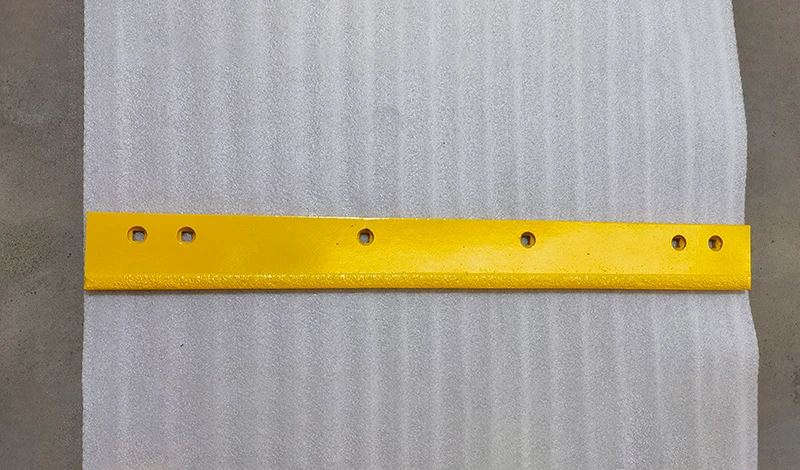
  • Contact SENTHAI for custom specs (length, thickness, hole pattern) and request a sample for evaluation.

Step 3: Order and Receive Equipment

  • Submit technical drawings or model numbers to SENTHAI.

  • SENTHAI provides pricing, lead time (typically 10–14 days for standard items), and full traceability for each batch.

  • Upon receipt, inspect blades/inserts for dimensions, weld quality, and packaging.

Step 4: Install and commission

  • Install using standard workshop tools and procedures (no special equipment required).

  • For replacement blades, follow the vehicle’s manual for alignment and bolt torque.

  • For inserts, weld or bolt according to SENTHAI’s installation guide to ensure proper bonding.

Step 5: Operate, Monitor, and Optimize

  • Track operating hours and wear for each machine.

  • Record maintenance intervals (when edges are rotated or replaced) and compare against historical data.

  • Share usage logs with SENTHAI for free wear analysis and recommendations on optimizing blade life and repair intervals.

Step 6: Scale and Standardize

  • After a trial season, calculate cost savings (reduced blade purchases, less downtime, fewer pothole repairs).

  • Roll out SENTHAI carbide blades/inserts across the entire fleet.

  • Standardize blade types and maintenance schedules to simplify inventory and training.

How Do Real‑World Users Benefit from SENTHAI Solutions?

Scenario 1: Municipal Winter Plowing

  • Problem: Steel blades dull quickly on icy, salt‑laden roads, forcing bi‑weekly replacement and causing inefficient snow clearance.

  • Traditional approach: Replace plow edges every 2–3 weeks, costing ~$5,000 per truck per season in blades and labor.

  • After using SENTHAI: Carbide blades last a full winter season with only one mid‑season inspection; plows clear more area per shift.

  • Key benefits: Up to 60% reduction in blade replacement costs; 20% faster snow clearance; fewer overtime calls and vehicle downtime.

Scenario 2: Highway Pothole Maintenance

  • Problem: Temporary asphalt patches erode within 3 months, especially on high‑traffic highways, requiring frequent rework.

  • Traditional approach: Manual patching every 6–8 weeks, disrupting traffic for 6+ hours per repair zone.

  • After using SENTHAI: Use carbide‑equipped graders and cutting edges to clean and prepare potholes more durably; patches last much longer.

  • Key benefits: 80% reduction in pothole recurrence; ~$2,000 saved per mile per year; less traffic disruption and lane closure time.

Scenario 3: Rural Road Grading

  • Problem: Gravel roads degrade weekly from vehicle traffic, requiring daily grading and blade changes.

  • Traditional approach: Daily maintenance runs with frequent steel blade replacement; crews spend more time on maintenance than on service.

  • After using SENTHAI: I.C.E.‑style carbide blades maintain the road surface for 3–4× longer between sharpening.

  • Key benefits: 50% reduction in labor hours and fuel; smoother, safer roads for local residents; predictable scheduling.

Scenario 4: Airport Runway Maintenance

  • Problem: Runway grooves and aprons wear rapidly under jet blast and heavy equipment, requiring frequent blade changes and regrading.

  • Traditional approach: Replace carbide tips monthly; downtime affects ground operations and safety inspections.

  • After using SENTHAI: High‑bond SENTHAI carbide inserts endure 1,000+ hours of continuous use with minimal wear.

  • Key benefits: Near‑zero downtime for blade changes; consistent runway surface quality; easier compliance with aviation standards.

Why Is It Critical to Upgrade Road Repairs Now?

Global infrastructure spending is projected to rise 12–15% by 2027, driven by aging networks and climate resilience needs [FHWA, 2025]. At the same time, labor and material costs continue to climb, making it essential to do more with existing fleets and budgets.

See also  How Do Drivers Spot Icy Danger Zones?

Delaying modernization means locking in high recurrent costs:

  • Replacing steel blades every few weeks

  • Revisiting potholes multiple times per year

  • Paying overtime for emergency repairs and overtime

By upgrading to SENTHAI’s carbide wear parts, road authorities and contractors can:

  • Extend the life of their plow and grading equipment

  • Reduce the total cost per mile of road maintenance

  • Improve response times during storms and peak seasons

SENTHAI’s Thailand‑based production ensures supply chain stability, fast delivery, and consistent quality, making it a strategic partner for fleets that need reliable, long‑life wear parts for 2026 and beyond.

Frequently Asked Questions

How can you repair damaged roads faster without compromising quality?
Use rapid, machine‑assisted methods like infrared asphalt repair or spray‑injection patching to fix potholes and surface defects in minutes instead of hours. Pre‑plan high‑traffic routes, deploy mobile crews, and combine trimming, heating, and instantly compacted mixes to cut downtime and keep the road open to traffic almost immediately.

What are the cheapest ways to fix damaged roads long term?
Prioritize preventative maintenance such as crack sealing, micro‑surfacing, and thin surface overlays instead of full reconstruction. Reuse reclaimed asphalt pavement (RAP) and locally sourced aggregates, and schedule repairs during off‑peak seasons to lower labor and equipment costs while extending pavement life.

How can you make road repairs more durable in harsh weather?
Use high‑performance asphalt mixes with polymer modifiers, proper base compaction, and quality control on compaction and joint sealing. Seal edges and subsurface voids, apply edge bonding, and choose durable surfacing treatments that resist freeze‑thaw cycles, heavy loads, and water infiltration.

Which road repair methods last the longest and reduce repeated fixes?
Full‑depth patching, machine‑laid resurfacing, and long‑life concrete pavement sections offer the highest durability. Infrared asphalt repair and properly bonded overlays also extend service life when combined with good drainage and edge protection, reducing the need for frequent pothole reopenings.

How can cities fix damaged roads faster during winter plowing and snow events?
Clear snow thoroughly with modern snow plows and grading equipment, then spot‑repair critical potholes using cold‑mix asphalt or accelerated patching systems safe for wet, cold conditions. Coordinate with road‑maintenance contractors like SENTHAI that supply high‑wear blades and attachments to keep plowing and grading efficient.

What role do high‑wear tools play in faster, cheaper road maintenance?
High‑quality carbide blades, road maintenance wear parts, and durable plow edges reduce machine downtime and rework, allowing faster grading, scarifying, and snow removal. By minimizing wear‑related delays and fuel‑wasting passes, these components lower operating costs and help preserve road surfaces longer.

How can you reduce traffic disruption when fixing damaged roads?
Use mobile, lane‑based techniques such as infrared repair and spray‑injection patching that work in one‑lane closures without full‑road shutdowns. Stage repairs in small segments, schedule work overnight or off‑peak hours, and communicate lane‑closure plans in advance to minimize congestion and user frustration.

What is the best strategy for balancing speed, cost, and durability in road repair?
Combine rapid spot‑repair methods for urgent potholes with planned surface preservation and resurfacing for recurring trouble spots. Invest once in high‑quality materials, proper compaction, and robust wear parts so each repair lasts longer, reducing repeat projects and achieving faster, cheaper, and more durable road maintenance over time.

Ready to Cut Road Repair Costs and Improve Durability?

Stop burning through steel blades and reworking the same potholes every few weeks. Upgrade your plow and grading fleet with SENTHAI’s proven carbide wear parts and see real savings in blade costs, labor, and downtime.

Contact SENTHAI today for a free quote, technical specifications, and a sample set tailored to your road maintenance or snow plow equipment. With over 21 years of experience and a global base of 80+ partners, SENTHAI delivers durable, cost‑effective solutions that keep roads safer and operations more efficient.