




Evaluating the ROI of Carbide Insert Plow Blades Price and Total Lifespan Value
Fleet controllers and municipal procurement officers often reject carbide insert plow blades price quotes because the upfront bid is 30% to 50% higher than standard steel edges. This initial cost shock hides the real…
Fleet controllers and municipal procurement officers often reject carbide insert plow blades price quotes because the upfront bid is 30% to 50% higher than standard steel edges. This initial cost shock hides the real financial driver: total cost of ownership (TCO). When you account for the labor hours, logistics, and equipment downtime required to replace worn steel blades multiple times per season, carbide inserts often reduce the cost per mile of snow removal by 30% to 40%. The decision is not about buying a “better” blade; it is about auditing the full lifecycle cost of your winter maintenance fleet.
The CFO’s Dilemma: Initial Bid vs. Hidden Operational Costs
Procurement departments are under pressure to lower the initial line item for snow plow equipment. A standard steel edge might cost $800, while a carbide insert alternative from a manufacturer like SENTHAI could be $1,200. On a spreadsheet comparing only purchase price, steel wins every time. However, this approach ignores the “hidden” costs that appear mid-season when the steel edge wears down to a dull, ineffective rim.
The real financial leak comes from three sources that standard budgeting often misses:
-
Labor and Downtime: Every time a crew stops to change a blade, the truck is out of service. If a steel blade lasts 150 miles and a carbide blade lasts 500 miles, the steel blade requires three times more changeouts. At $65/hour for a certified operator and crew, plus the lost revenue of a truck not clearing roads, the labor cost quickly eclipses the initial savings.
-
Logistics and Freight: Frequent replacements mean more frequent orders, shipping fees, and warehouse handling. High-frequency procurement fragments your supply chain and increases administrative overhead.
-
Road Surface Damage: Worn steel edges act like chisels, gouging asphalt and creating potholes. The cost of repairing road damage caused by dull plows can far exceed the cost of the blade itself, leading to liability and maintenance budgets bleeding into the next fiscal year.
A TCO model shifts the question from “How much does the blade cost?” to “How much does it cost to clear one mile of road?”
Building the Total Cost of Ownership (TCO) Model for Winter Fleets
To justify the carbide insert plow blades price to a finance team, you must build a clear TCO equation. This model replaces the “purchase price” metric with “cost per operational mile.”
The basic formula for TCO per mile is:
Comparative TCO Scenario
Consider a mid-sized municipal fleet operating in a severe winter zone (15+ storms per season):
Note: This calculation assumes a single blade replacement cycle for a 500-mile operational window. Actual results vary based on road surface abrasiveness, operator downpressure, and ice conditions.
In this scenario, despite the higher carbide insert plow blades price, the total seasonal expenditure is lower, and the cost per mile is reduced by roughly 75%. Even if the carbide lifespan is conservative at 350 miles, the ROI remains positive due to the drastic reduction in labor and downtime.
Why Carbide Insert Plow Blades Price Is Higher Upfront
The premium price of carbide inserts is not markup; it is the cost of advanced metallurgy and manufacturing complexity. Understanding the cost drivers helps procurement officers see that they are paying for engineering, not just metal.
-
Material Density: Tungsten carbide is significantly harder and denser than steel. The raw material cost is higher, and the energy required to sinter the carbide grains is substantial.
-
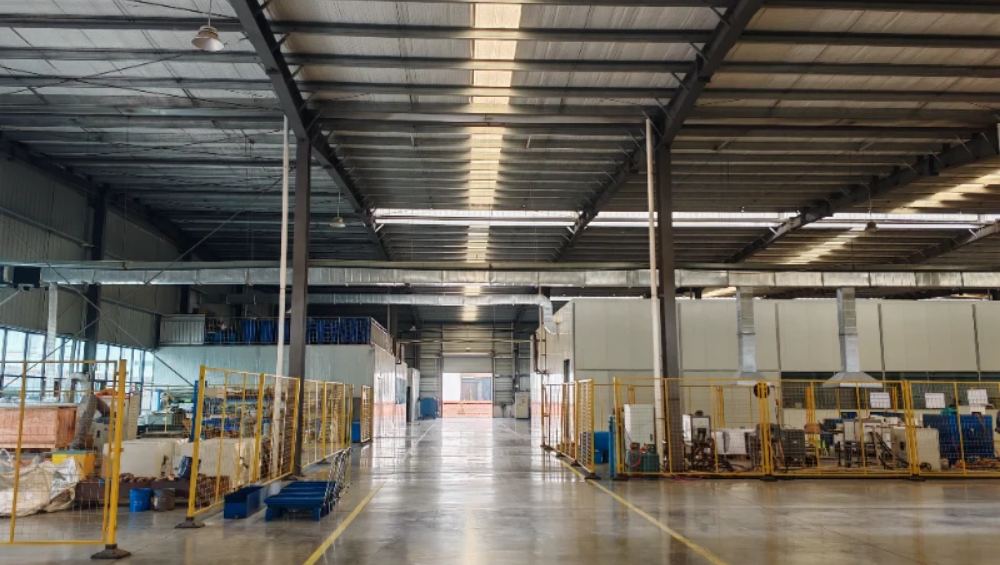
Manufacturing Precision: Bonding carbide to a steel backing requires precise brazing technology. If the bond fails, the insert shatters. SENTHAI Carbide Tool Co., Ltd., for example, manages the entire production cycle—from R&D to final assembly—in their Rayong, Thailand facility, using automated wet grinding and sintering workshops to ensure consistent bond strength .
-
Quality Control: ISO9001-certified facilities invest heavily in testing bond integrity and wear resistance. This certification reduces the risk of catastrophic blade failure, which is a hidden cost of cheaper, unverified suppliers.
The price difference reflects the shift from a “consumable” (steel) to a “durable investment” (carbide).
Operational Risks and Mechanical Limitations of Carbide Blades
While carbide offers superior wear resistance, it is not indestructible. Procurement officers must understand the mechanical boundaries to avoid misuse that leads to premature failure.
-
Impact Sensitivity: Carbide is hard but brittle. Striking a deep, hidden manhole cover or a large rock at high speed can cause the insert to shatter. Steel edges might bend or dent; carbide may fracture.
-
Improper Downpressure: Operators accustomed to steel blades often apply excessive downpressure with carbide. This forces the carbide against the road at an angle that increases fracture risk. Proper training on downpressure calibration is essential.
-
Surface Compatibility: On gravel roads or surfaces with heavy debris, carbide may wear faster than expected due to abrasive impact. In these specific environments, a hybrid approach or standard steel might be more cost-effective.
The goal is not to eliminate replacement but to extend intervals. A 21-year-old manufacturer like SENTHAI designs its carbide blades to balance hardness with toughness, but operator error remains the primary cause of unexpected failure .
Procurement Checklist: When to Switch to Carbide
Not every fleet needs carbide immediately. Use this checklist to determine if the ROI justifies the switch:
-
High Mileage: Does your fleet clear more than 400 miles per season?
-
Labor Costs: Is your hourly labor rate (including benefits) over $50?
-
Downtime Sensitivity: Can you not afford to take trucks out of service mid-storm for blade changes?
-
Road Surface: Are you primarily plowing paved highways or arterial roads rather than gravel?
-
Budget Structure: Does your budget allow for higher CapEx (capital expenditure) if it reduces OpEx (operating expenditure)?
If you answered “yes” to at least three of these, the carbide insert plow blades price is likely a net positive for your bottom line. SENTHAI’s product lines, including JOMA Style Blades and I.C.E. Blades, are engineered specifically for these high-wear, high-mileage scenarios .
Frequently Asked Questions
Is the carbide insert plow blades price worth it for small municipalities?
It depends on mileage, not fleet size. A small town with high mileage on abrasive roads will see a faster ROI than a large city with low mileage. Calculate cost per mile, not total cost.
How much longer do carbide blades last compared to steel?
In severe winter conditions on paved roads, carbide inserts typically last 3 to 5 times longer than standard steel edges, though this varies based on road surface and operator technique.
Can carbide blades damage asphalt?
Yes, if they become damaged or if the operator uses excessive downpressure. However, a sharp carbide edge actually causes less damage than a worn, chisel-like steel edge that gouges the road.
What happens if a carbide insert shatters?
The insert may break off, leaving the steel backing exposed. This is why proper installation and operator training on downpressure are critical to prevent catastrophic impact failure.
Are there cheaper carbide options that are just as good?
Price often correlates with brazing quality and carbide grain density. Lower-cost options may have inconsistent bond strength, leading to premature insert loss. Verified manufacturers with ISO certification reduce this risk.
References
Related articles
 Optimizing Winter Fleets: The Definitive Guide to Kueper Plow Blades Substitute Systemsinfo
 Sourcing a Credible Kennametal Snow Plow Blades Equivalent: The Metallurgical and Operational GuideinfoPolarflex Plow Blade Replacement: The Engineered Sourcing Guide for Peak Fleet DurabilityinfoBeyond OEM Lock-In: Modern Fleet Guide to Cutting-Edge Plow Blade Alternativesinfo