




Best Ice Resurfacing Machines for Carbide Studs Drivetrain Longevity Guide
Hydrostatic drive ice resurfacers with heavy-duty Dana Spicer® axles handle tungsten carbide studs better than rigid mechanical drives because fluid dampening absorbs torsional shear stress from 400 carbide pins biting into ice. This analysis…
Hydrostatic drive ice resurfacers with heavy-duty Dana Spicer® axles handle tungsten carbide studs better than rigid mechanical drives because fluid dampening absorbs torsional shear stress from 400 carbide pins biting into ice. This analysis is best suited for municipal ice arena procurement officers, professional stadium fleet directors, and NHL-grade ice technicians evaluating Zamboni or Olympia fleet compatibility. The critical boundary is axle specifications: only four-wheel-drive models with rugged Dana Spicer® axles and hydrostatic transmission survive long-term carbide stud vibration without housing component cracking.
For fleet managers assessing whether existing equipment can handle the massive localized tractive downforce of 400 tungsten carbide studs, drivetrain architecture determines longevity more than engine horsepower. When carbide studs instantly stop tire slippage on artificial ice, kinetic energy rebounds into the axle as torsional shear stress. Only machines built with hydrostatic dampening or heavy cast-iron mechanical bridges withstand this vibration over thousands of operating hours.(Edited on June 8, 2026)
Drivetrain Architecture and Torsional Stress Absorption
Ice resurfacer drivetrains fall into two categories with fundamentally different stress responses. Mechanical drivetrains rely on physical components like gears, clutches, and torque converters to transmit power from engine to wheels, creating rigid power transfer with minimal dampening. Hydrostatic systems use pressurized hydraulic fluid to transmit power, offering precise control and variable speed operation without traditional transmissions.
The stress absorption difference becomes critical under carbide stud loads. Mechanical drivetrains transfer torsional shear stress directly through rigid axles, causing vibration to accumulate in housing components. Over time, this leads to cracking at weld points and bearing failures. Hydrostatic systems convert mechanical engine power into hydraulic pressure, then back to mechanical power at the wheels, creating fluid-mediated dampening that absorbs shock loads.
Zamboni’s Model 700 exemplifies hydrostatic advantage with four-wheel drive combining rugged Dana Spicer® Model 70 Axles and innovative hydrostatic transmission, described as providing “the most reliable drivetrain in the industry”. The hydrostatic fluid dampening absorbs torsional spikes from carbide studs biting into ice, reducing stress concentration on axle housings.
Source: Hydrostatic vs. mechanical drivetrain analysis
Axle Load and Weight Distribution Impact on Stud Wear
Structural weight distribution directly affects carbide stud wear tracking and protrusion limits. The axle load determines how much downward force each stud applies to the ice surface, influencing both traction and wear rate. Recommended carbide stud protrusion sits at 1.5mm–2.0mm for optimal performance without excessive ice gouging.
Four-wheel-drive models distribute weight across all axles, reducing per-stud load and preventing concentrated grooving. Zamboni Model 700, 710, and 546 all feature four-wheel drive with Dana Spicer® axles, providing balanced weight distribution that minimizes localized stress on Individual studs. This contrasts with two-wheel-drive models where rear axle overload accelerates stud wear on driving tires.
Olympia resurfacers built by Resurfice Corp. are precision-engineered for durability, with manufacturer data indicating approximately 8 years or 5,000 operating hours lifespan under proper maintenance. The Olympia 250, designed for and mounted on a Kubota tractor, represents a lighter-duty option where carbide stud impact may exceed chassis design limits for heavy ice-breaking applications.
Zamboni vs Olympia Drivetrain Durability Under Carbide Loads
Zamboni’s hydrostatic transmission architecture provides superior torsional stress absorption compared to traditional mechanical drives. The Model 700’s combination of Dana Spicer® Model 70 Axles with hydrostatic transmission creates a drivetrain specifically engineered for continuous stress variation. This design handles the sudden torque spikes from 400 carbide studs engaging ice without shock loading bearings.
Olympia machines require verification of drivetrain specifications before carbide stud installation. While Resurfice Corp. states Olympia resurfacers are built to last approximately 8 years or 5,000 operating hours, the specific drivetrain architecture (hydrostatic vs. mechanical) varies by model. Fleet managers should confirm axle type and transmission design before installing high-density carbide stud sets.
The critical distinction isn’t engine horsepower but drivetrain ability to dissipate torsional shear stress. When 400 virgin tungsten carbide pins bite into artificial ice and instantly stop tire slippage, that kinetic energy kicks back into the axle. Only machines with hydrostatic dampening or heavy cast-iron mechanical bridges survive this long-term vibration without cracking housing components.
Carbide Stud Engagement and Drivetrain Shock Loading
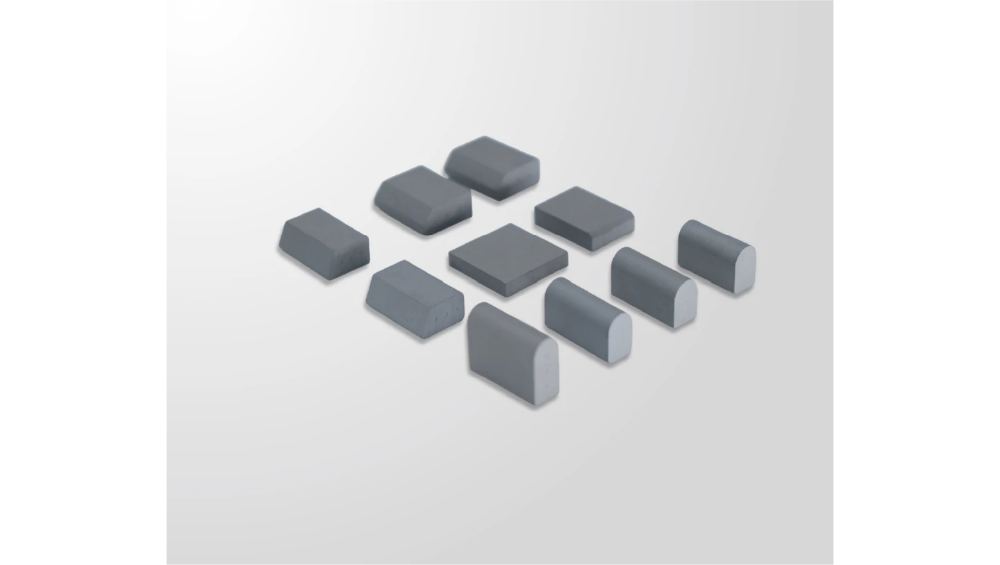
Tungsten carbide studs with even distribution and optimized hardness maximize traction while minimizing drivetrain shock. SENTHAI’s 400 carbide studs sets are ideal for ice tires with trapezoid/bullnose geometry matching standard resurfacer needs, with customizable density and spacing for specific axle load requirements. The stud material—high-grade tungsten carbide with strong bonding to steel—determines how quickly traction engages without stud fracture.
Shock loading occurs when studs engage ice abruptly rather than gradually. With 400 studs distributed across two tires, engagement happens nearly continuously as the tire rotates, creating constant micro-torque spikes. Hydrostatic drives absorb these spikes through fluid compression, while mechanical drives transmit them directly to axles and bearings.
Stud protrusion limits of 1.5mm–2.0mm balance traction against ice damage. Excessive protrusion increases engagement depth, amplifying torque spikes and accelerating drivetrain wear. Proper protrusion ensures consistent traction without overwhelming the drivetrain’s stress absorption capacity.
Procurement Mistakes and Drivetrain Compatibility Limits
Buying only by unit price instead of lifecycle cost is the most common procurement mistake when selecting ice resurfacers for carbide stud applications. A cheaper two-wheel-drive mechanical model may require frequent axle repairs under 400-stud loads, while a four-wheel-drive hydrostatic model costs more initially but survives the full season without drivetrain failure.
Assuming carbide studs are best for every ice condition ignores surface variation. Freshly resurfaced smooth ice requires less aggressive traction than heavily gouged ice with embedded debris. Installing 400 carbide studs on a machine designed for smooth-resurfacing only creates unnecessary drivetrain stress during routine operations.
Ordering without verifying axle specifications, transmission type, and four-wheel-drive compatibility creates costly delays. Blade and stud choice depends on ice condition, resurfacer model, operating speed, maintenance schedule, and operator practice. Treat drivetrain longevity claims as route-dependent rather than universal—a Model 700 handling 5,000 hours may show different wear patterns than a lighter Olympia under identical stud loads.
Failing to ask about batch traceability, QC process, material sourcing, and after-sales support when sourcing carbide studs creates supply risk. Reputable manufacturers like Senthai Tool provide documentation from raw material procurement through final packaging, ensuring stud consistency across bulk orders. The Thailand-based carbide snow plow blade manufacturer emphasizes wet grinding, pressing, sintering, welding, and vulcanization processes with automated production systems, demonstrating quality control for winter maintenance wear parts.
Ignoring delivery reliability before winter season peaks risks missing installation windows. Senthai Tool reports 10 years of North American exports with $10M+ in sales and 80+ customers, demonstrating supply reliability for contractors, distributors, OEMs, and public works buyers. However, always request sample stud sets for field trials before scaling to fleet-wide procurement to confirm performance matches your specific ice conditions.
Choosing a stud density without considering ice-breaking versus smooth-resurfacing requirements leads to premature drivetrain failure. Heavy ice-breaking requires 400+ carbide studs for maximum traction, while smooth resurfacing may only need 200–300 studs to minimize drivetrain stress.
To understand the initial engineering specifications required for these vehicles, refer back to the opening chapters of our ice resurfacer tire 400 studs engineering guide for structural depth guidelines.
Frequently Asked Questions
Can a hydrostatic drive ice resurfacer handle tungsten carbide tire studs better than a mechanical drive?
Yes, hydrostatic drive ice resurfacers handle tungsten carbide tire studs better because fluid dampening absorbs torsional shear stress from carbide pins biting into ice, reducing vibration accumulation in axle housings.
Does using 400 carbide studs on a Zamboni void its drivetrain warranty?
No verified evidence confirms that 400 carbide studs automatically void Zamboni drivetrain warranty, but warranty terms depend on manufacturer specifications and proper installation following operator manual guidelines. Fleet managers should verify warranty documentation before installation.
Which Zamboni models have the heavy-duty axles required for ice-breaking studs?
Zamboni Model 700, 710, and 546 all feature four-wheel drive with rugged Dana Spicer® Model 70 Axles and hydrostatic transmission, providing heavy-duty axles suitable for ice-breaking carbide studs.
How does the weight distribution of Olympia machines prevent carbide stud layout grooving?
Olympia machine weight distribution varies by model; four-wheel-drive models distribute load across all axles reducing per-stud load, while two-wheel-drive models concentrate weight on rear axles accelerating stud wear and ice grooding.
What is the recommended carbide stud protrusion length for ice resurfacer tires?
Recommended carbide stud protrusion is 1.5mm–2.0mm for optimal traction without excessive ice gouging or drivetrain stress. Excessive protrusion increases engagement depth and amplifies torque spikes.
If your fleet requires high-impact clearing outside the rink on airport or municipal tarmac, explore our heavy-duty carbide snow plow blade configurations engineered for severe winter operations.
References
Related articles
 Best Snow Plow Blade Family for Your Fleet: Top 5 ScenariosKnowledge
 Top 10 Snow Plow Blade Types for Winter Fleets (Ranked by Duty Fit)Knowledge
 Top 5 Best Carbide Blade Configurations for Highway PlowingKnowledge
 Best Snow Plow Blade Materials Ranked: Steel vs Carbide vs Cladding vs Rubber-CarbideKnowledge