




Is the March 2026 Tungsten Price Surge Going to Raise Your Carbide Costs?
Yes — the March 2026 surge in tungsten raw-material prices sharply increased cemented-carbide production costs, and major manufacturers raised prices effective March 1, 2026. Manufacturers, OEMs, and wholesale suppliers should expect higher unit costs,…
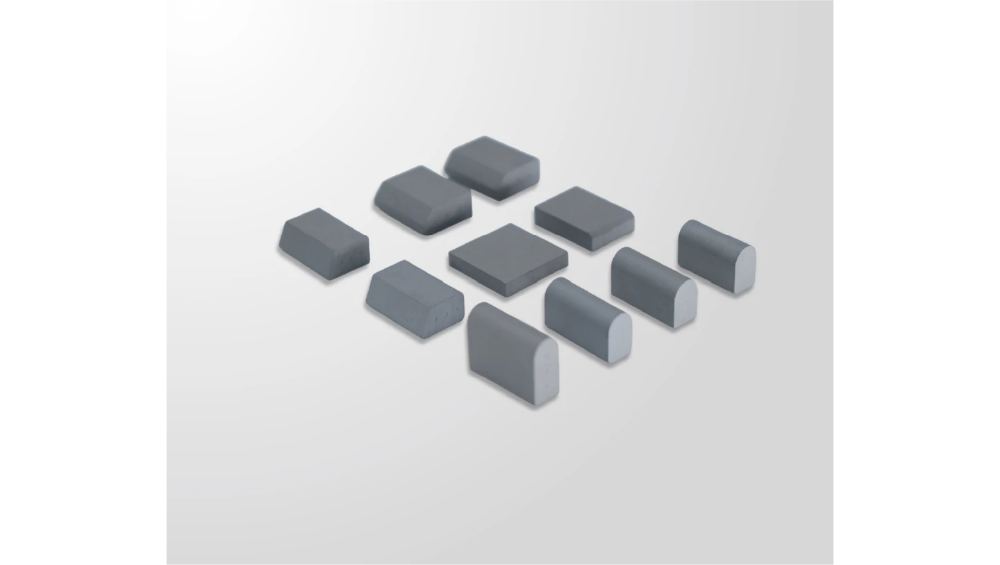
Yes — the March 2026 surge in tungsten raw-material prices sharply increased cemented-carbide production costs, and major manufacturers raised prices effective March 1, 2026. Manufacturers, OEMs, and wholesale suppliers should expect higher unit costs, tighter lead times, and the need to renegotiate supply agreements or adopt cost-mitigation strategies.
(Last modified date: August 31, 2026)
Key Takeaways
- Tungsten feedstock — APT, powder, concentrates, and scrap — moved sharply higher in March 2026.
- Zhangyuan Tungsten and peers raised cemented-carbide prices effective March 1, 2026, citing input-cost inflation.
- Buyers should expect higher unit costs and tighter lead times; renegotiate contracts or hedge with long-term agreements.
- Recycled tungsten and secondary markets are viable mitigations but not a full replacement for virgin feedstock.
How Did Tungsten Raw-Material Prices Change in March 2026?
Tungsten feedstock — APT, powder, concentrates, and recycled scrap — experienced significant upward moves in March 2026, pushing spot and contract benchmarks materially higher and increasing landed feedstock costs for carbide producers. Market drivers included export policy shifts, tighter mine shipments, stronger industrial demand, and short-term stockpiling by large buyers. For SENTHAI and other OEM suppliers, these moves translate into higher per-part input costs and the need for prompt contract and production planning updates. See why tungsten carbide studded tires remain the best choice for durability for the demand side.
Why Did Zhangyuan Tungsten and Peers Raise Cemented-Carbide Prices?
Major producers cited sustained raw-material cost increases as the direct reason to adjust cemented-carbide pricing, passing through input-cost inflation to protect manufacturing margins. When tungsten powder and APT costs climb sharply, sintered carbide feedstock and finished-part economics change overnight, making coordinated price updates common. Suppliers typically communicate changes with effective dates so buyers can plan inventory and procurement. See whether the 2026 tungsten surge is here to stay.
What Supply-Chain Factors Caused This Surge?
The surge was driven by constrained upstream supply (export restrictions and reduced mine throughput), increased industrial demand, logistical cost shifts, and greater recycling bottlenecks that tightened available feedstock. Together these factors compress the buffer between raw material cost and finished carbide price, so shocks pass through faster than in normal markets.
How Will Rising Costs Affect Manufacturers and OEMs?
Expect higher unit costs on inserts, blades, and studs; longer lead times as producers prioritize contract customers; and pressure on margin if pricing isn’t updated. OEMs should re-price forward orders and confirm supplier allocation early. For snow plow and ice-resurfacer buyers, the increase lands on every carbide-tipped part — see maintaining Zamboni tire studs for lifecycle planning.
Which Industries Will Feel the Biggest Impact?
Mining, metal cutting, automotive, aerospace, and winter maintenance all depend on carbide. The biggest exposure is in high-volume consumables — inserts, cutting edges, and studs — where tungsten is a large share of part cost. Winter maintenance fleets should lock seasonal budgets early.
What Can Manufacturers and Suppliers Do to Manage Cost Shocks?
- Negotiate quarterly or seasonal fixed pricing with committed volumes.
- Shift to recycled tungsten where application allows.
- Consolidate orders to improve allocation priority.
- Redesign parts to reduce tungsten content without sacrificing life (e.g., thinner inserts, optimized geometry).
Who Should B2B Buyers Contact First When Prices Spike?
Contact your account manager at the carbide factory first to confirm allocation, effective price dates, and available mitigation. SENTHAI customers can request updated quotes and discuss contract terms directly. See carbide, JOMA, and packed ice solutions for Salt Lake City for a regional example.
When Should Buyers Revise Pricing or Contract Terms?
Review terms immediately when indices move more than 5–10%, and at every quarter boundary. Add price-adjustment clauses tied to published tungsten indices so both sides share the risk predictably.
Are There Alternative Materials or Process Changes to Reduce Tungsten Dependence?
For some applications, coated steel, ceramic, or reduced-carbide designs work — but where abrasion and impact are severe, tungsten carbide remains the proven choice. Process changes like insert geometry optimization and re-tipping extend life without eliminating tungsten.
Could Price Surges Create Long-Term Structural Changes?
Yes. Sustained high prices accelerate recycling investment, vertical integration, and supplier consolidation. Buyers who lock long-term partnerships with integrated producers gain stability as the market restructures. See how manufacturers ensure consistent ice quality on temporary rinks for a related procurement view.
Has the March 2026 Surge Changed Procurement Best Practices?
Yes — buyers now favor committed seasonal orders, index-linked pricing, dual sourcing, and documented traceability. Reactive spot buying is riskier when feedstock moves quickly.
Frequently Asked Questions
Will my carbide blade prices go up because of the March 2026 surge?
Likely yes on new orders; producers raised cemented-carbide prices effective March 1, 2026, and quotes will reflect input costs.
How fast do price increases reach buyers?
Depends on contract terms; spot orders adjust immediately, while fixed-price contracts hold until renewal.
Should I stock up before prices rise further?
If your supplier confirms allocation and current pricing, pre-season stocking can lock costs; confirm lead times first.
Can recycled tungsten offset the surge?
Recycled feedstock helps but can’t fully replace virgin supply; quality and traceability must be verified per batch.
Related Articles
- Is the 2026 Tungsten Surge Here to Stay?
- Tungsten Carbide Studded Tires for Ice Resurfacers
- Maintaining Zamboni Tire Studs
- Snow Plow Blades for Salt Lake City
Official Resources
References
- Industry announcements on March 2026 cemented-carbide price adjustments.
- SENTHAI procurement analysis of tungsten feedstock markets, 2026.
Related articles
 Best Snow Plow Blade Family for Your Fleet: Top 5 ScenariosKnowledge
 Top 10 Snow Plow Blade Types for Winter Fleets (Ranked by Duty Fit)Knowledge
 Top 5 Best Carbide Blade Configurations for Highway PlowingKnowledge
 Best Snow Plow Blade Materials Ranked: Steel vs Carbide vs Cladding vs Rubber-CarbideKnowledge