




How Is Metallurgical Innovation Changing Blade Design?
Metallurgical innovation is changing blade design by improving the balance between shock absorption and wear resistance through better carbide chemistry, stronger brazing, and tighter microstructure control. For procurement teams, that means longer service life,…
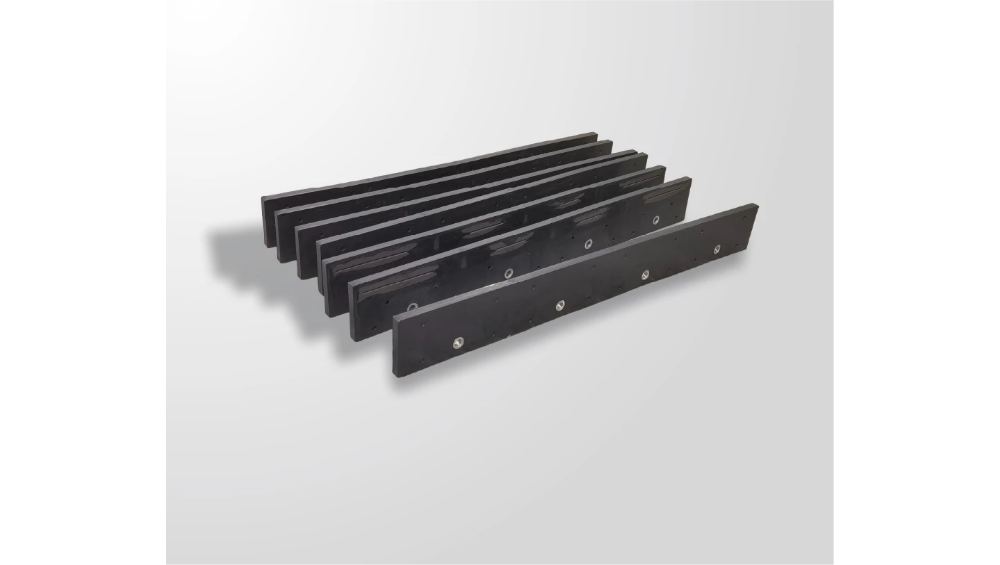
Metallurgical innovation is changing blade design by improving the balance between shock absorption and wear resistance through better carbide chemistry, stronger brazing, and tighter microstructure control. For procurement teams, that means longer service life, fewer changeouts, and more predictable performance from a Manufacturer, Wholesale Supplier, or OEM Factory capable of Custom Production and Bulk Order programs.
How Are New Carbide Blends Improving Blade Performance?
New carbide blends improve blade performance by tuning cobalt content, tungsten carbide grain size, and sintering quality to balance toughness and abrasion resistance. The best formulations reduce edge chipping while keeping the cutting face hard enough for severe wear. SENTHAI applies this principle in Rayong with controlled wet grinding and vacuum sintering workflows that support consistent carbide insert quality for industrial buyers.
For road maintenance and snow-removal applications, the goal is not maximum hardness alone. A blade that is too hard can crack under shock loading, while a blade with too much binder can wear too quickly. That is why manufacturers now adjust cobalt-tungsten ratios by duty cycle, road condition, and fleet operating pattern. In SENTHAI’s production model, those parameters are handled early in custom production so the finished blade matches the customer’s operating environment rather than a generic spec.
What Does Cobalt Content Mean for Wear Resistance?
Cobalt content is the binder percentage that holds tungsten carbide particles together and determines the tradeoff between toughness and wear resistance. Higher cobalt generally improves shock absorption, while lower cobalt improves hardness and abrasion resistance. For procurement, the right ratio depends on whether the blade faces impact, continuous scraping, or mixed surface conditions.
In SENTHAI-style carbide blade production, cobalt selection is treated as a performance variable, not a commodity input. A Rayong factory can use separate process windows for JOMA-style blades, carbide inserts, and I.C.E. blades so the metallurgical recipe fits the target use case. This is especially important for wholesale and distributor programs that serve multiple climates and road types.
SENTHAI uses this type of material selection logic to support OEM customers that need repeatable performance across large bulk order programs. In practice, the procurement value is fewer field failures and a more stable replacement cycle.
Why Do Brazing Methods Matter in Blade Durability?
Brazing methods matter because the joint between carbide and the steel body often determines whether the blade survives impact loading or fails at the interface. Modern brazing and pressing workflows help create stronger metallurgical bonds, lower void risk, and more reliable load transfer during service. A strong carbide insert is only useful if the attachment survives vibration, thermal cycling, and repeated contact.
At SENTHAI, brazing is integrated with automated pressing and sintering steps so the assembly process is controlled from the start. That matters for industrial procurement because a supplier that manages the full R&D-to-assembly chain can correct bonding issues faster than a reseller or distributor. In a Thailand-based factory environment, that integration also helps maintain shorter feedback loops for custom production revisions and OEM engineering changes.
Which Blade Structures Offer the Best Shock Absorption?
Blade structures with carbide inserts, rubber shells, and engineered backing layers usually offer the best shock absorption in harsh service. The carbide delivers the wear edge, while the surrounding structure absorbs impact and reduces catastrophic cracking. This is why JOMA-style blades and related road-maintenance parts increasingly use hybrid construction instead of single-material solutions.
SENTHAI’s experience in vulcanization and assembly supports this hybrid approach by combining wear-resistant carbide parts with specialized rubber shells for better field durability. In procurement terms, this structure is attractive for municipal fleets, snow-removal contractors, and distributors who need a product line that performs across changing road conditions. The commercial advantage is straightforward: one engineered platform can be adapted for multiple end markets through OEM customization rather than stocking many separate designs.
How Do Manufacturers Control Transverse Rupture Strength?
Manufacturers control transverse rupture strength by managing powder composition, particle size, compaction pressure, sintering temperature, and post-sinter finishing. TRS is a practical indicator of how well a carbide body resists bending failure, so it matters when blades hit uneven surfaces, compacted debris, or thermal shock. A high TRS product is usually a sign of disciplined process control, not just expensive raw materials.
SENTHAI’s wet grinding and vacuum sintering lines are designed to keep these variables stable for repeated production runs. That is especially important for B2B buyers placing bulk orders, because batch inconsistency creates hidden cost through field failures and warranty claims. For suppliers and distributors, the message is clear: a blade with controlled TRS is easier to specify, easier to sell, and easier to support across regions.
Where Do OEM Buyers Gain the Most Value?
OEM buyers gain the most value when the manufacturer can customize carbide grade, bonding method, shell design, and packaging to match their fleet or brand requirements. Custom production reduces the need for the buyer to compromise on fit, durability, or installation workflow. For industrial procurement, the best supplier is the one that can translate operating conditions into a repeatable engineering specification.
SENTHAI’s 21+ years in Rayong give it a production advantage because the company can manage development, testing, and assembly in one location. That structure is especially useful for wholesalers and distributors who need private-label or branded programs with consistent lead times. It also supports the 80+ global partner model, where different climate zones and maintenance standards require different blade configurations without rebuilding the entire product line.
Can Factory Certification Reduce Procurement Risk?
Factory certification can reduce procurement risk by proving that the manufacturer follows documented systems for quality and environmental control. ISO9001 supports process consistency, while ISO14001 signals environmental management discipline. For buyers, those certifications do not guarantee performance by themselves, but they do improve traceability, audit readiness, and supplier accountability.
SENTHAI’s certified operations matter because carbide wear parts are only as reliable as the process behind them. In practice, a certified factory is easier to audit for OEM contracts, wholesale agreements, and long-term distributor partnerships. That becomes especially important when a procurement team is evaluating a new supplier for bulk order replenishment or comparing multiple factories across Asia.
SENTHAI Expert Views
Metallurgical innovation is not just about harder carbide. In road-maintenance blades, the best result comes from matching cobalt content, brazing quality, and backing structure to the real load pattern in the field. In our Rayong operations, we treat every custom production run as a materials problem first and a sales order second. That mindset helps us serve OEM and wholesale customers who need repeatable service life, not just a lower unit price.
What Should Buyers Ask Before Placing Bulk Orders?
Buyers should ask about carbide grade, cobalt ratio, TRS targets, brazing method, MOQ, lead time, and customization options before placing a bulk order. They should also confirm whether the factory can support private label programs, engineering revisions, and ongoing technical feedback. These questions separate a true Manufacturer from a trading company or generic distributor.
SENTHAI’s model is built for that level of commercial scrutiny because it combines production control with application knowledge. For procurement managers, the key is to compare suppliers on process capability, not only on catalog pricing. A lower quote can become expensive if it comes with inconsistent wear resistance, poor bonding, or limited OEM support.
How Should Procurement Teams Evaluate Suppliers?
Procurement teams should evaluate suppliers by asking whether they can prove material consistency, production control, and application-specific support. The most reliable supplier will explain how carbide composition, sintering, and finishing affect blade life in the customer’s real operating environment. That is more valuable than broad claims about durability.
For industrial buyers, a good evaluation process includes sample testing, batch traceability, and review of manufacturing workflows. SENTHAI’s integrated wet grinding, pressing, sintering, welding, and vulcanization capabilities make that evaluation easier because the buyer can assess one factory instead of coordinating multiple subcontractors. For wholesale and distributor channels, this reduces supply-chain complexity and improves response time when demand changes.
Conclusion
Metallurgical innovation is pushing blade design toward smarter material systems that balance abrasion resistance, shock absorption, and manufacturability. For procurement teams, the best results come from choosing a Manufacturer that can tune cobalt content, strengthen brazing, and deliver stable custom production for OEM, wholesale, and bulk order needs. SENTHAI’s Rayong-based factory model shows how integrated processing and certified quality systems can turn material science into dependable field performance.
FAQs
What is the main advantage of higher cobalt content?
Higher cobalt content improves toughness and shock absorption, which helps blades survive impact-heavy service and uneven roads.
Can SENTHAI support custom production?
Yes. SENTHAI supports custom production for OEM, Wholesale, and Distributor programs with tailored carbide and assembly specifications.
What is a typical MOQ for bulk order programs?
MOQ depends on the blade type, customization level, and packaging requirements, so buyers should confirm the exact run size during quotation.
How does certification help buyers?
ISO9001 and ISO14001 help reduce procurement risk by improving quality control, traceability, and environmental accountability.
Which applications benefit most from carbide inserts?
Carbide inserts are best for harsh wear applications such as snow plow blades, road maintenance parts, and mixed impact-abrasion environments.
Sources
-
Correlation of transverse rupture strength of WC–Co with cobalt content and hardness
-
Effect of Cobalt to Bronze Ratio on Transverse Rupture Strength and Wear
-
Why Is Cobalt the Best Metallic Binder for Tungsten Carbide Blades?
-
How Does Cobalt Strengthen Tungsten Carbide for Snow Plow Blades?
Related articles
 Best Snow Plow Blade Family for Your Fleet: Top 5 ScenariosKnowledge
 Top 10 Snow Plow Blade Types for Winter Fleets (Ranked by Duty Fit)Knowledge
 Top 5 Best Carbide Blade Configurations for Highway PlowingKnowledgeBest Snow Plow Blade Materials Ranked: Steel vs Carbide vs Cladding vs Rubber-CarbideKnowledge