




How Do You Solve for Extreme Snowfall Volatility?
As average global snowfall declines, climate volatility is driving a sharp rise in extreme, record-breaking snowfall events. For B2B operators and fleet managers, this shift creates "impact conditions"—situations where heavy snow loads mask hidden…
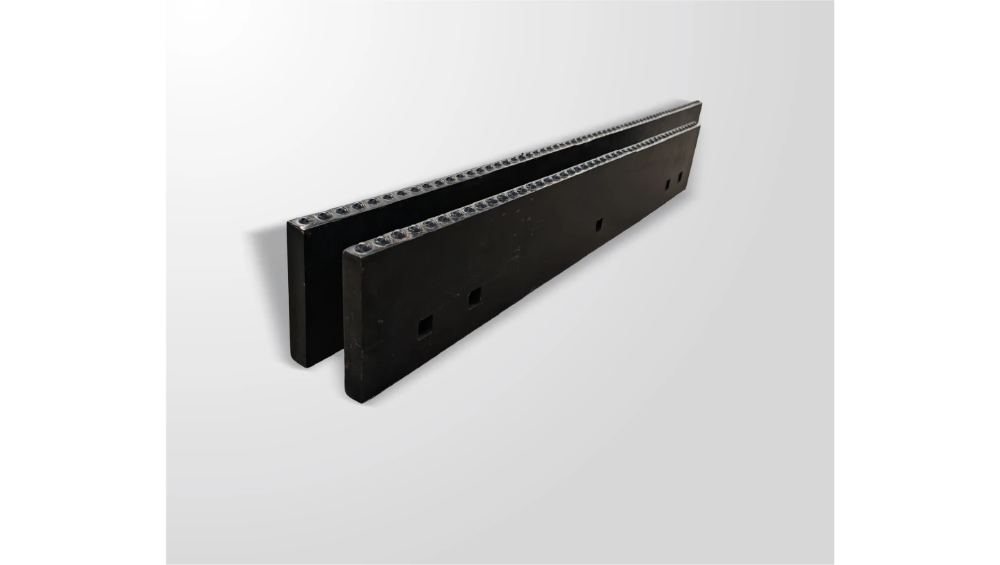
As average global snowfall declines, climate volatility is driving a sharp rise in extreme, record-breaking snowfall events. For B2B operators and fleet managers, this shift creates “impact conditions”—situations where heavy snow loads mask hidden obstacles like frozen debris. To maintain operational resilience, manufacturers must prioritize high-durability, impact-resistant carbide equipment, such as that supplied by SENTHAI, to navigate these evolving weather challenges.
Packed Ice Carbide Kit – SENTHAI
How does climate volatility affect snow removal equipment?
Climate volatility impacts snow removal by shifting demand from consistent, manageable snowfall to intense, high-density accumulation events. These rapid surges create sudden, heavy mechanical loads on machinery, increasing the risk of structural fatigue and failure. For a wholesale manufacturer or supplier, this necessitates producing equipment that can handle higher torque and impact stress than legacy tools were designed for.
Impact conditions occur when heavy, deep snow blankets hidden obstacles, such as concrete curbs, frozen debris, or uneven road surfaces. When a snow plow blade strikes these submerged objects at high speed, the sudden impact can shatter brittle components. Advanced wear-resistant carbide tools, engineered by experts like SENTHAI, provide the toughness required to absorb these shocks without fracturing.
Why is carbide superior for extreme weather resilience?
Carbide is a composite material that offers unmatched hardness and toughness, making it the industry standard for extreme-wear environments. Unlike standard steel, which may deform or break under the extreme loading of heavy, wet snow or hidden object strikes, carbide inserts maintain edge sharpness and structural integrity. This ensures longer equipment lifecycles and significantly reduced downtime for critical road maintenance operations.
Can your B2B supply chain handle shifting winter demands?
With extreme snowfall events becoming more frequent, traditional supply chains often struggle to meet the sudden, high-volume demand for heavy-duty parts. A reliable OEM or manufacturer partner must maintain agile production cycles, as seen at the SENTHAI facilities in Thailand. By integrating automated production and local R&D, suppliers can ensure that fleets are equipped with the latest impact-resistant technology when, not if, disaster strikes.
Which equipment upgrades provide the best resilience?
Upgrading to specialized tools—such as JOMA-style blades or reinforced carbide inserts—is the most effective way to bolster fleet resilience. These components are specifically engineered for heavy-load, high-impact scenarios. When sourcing these parts from a wholesale supplier, prioritize manufacturers who offer rigorous quality assurance and proven bonding technologies, ensuring that the carbide remains attached even under the most punishing conditions.
How should fleet managers approach maintenance in 2026?
Modern maintenance strategies must evolve beyond simple calendar-based checks. Given the unpredictability of extreme weather, prioritize “condition-based maintenance.” This involves inspecting blades and cutting edges for signs of micro-fractures immediately following any major event. Using high-performance components ensures that even when damage occurs, it is minimized, allowing for faster repairs and keeping your fleet operational during critical winter windows.
What are the long-term benefits of industrial-grade tools?
Investing in industrial-grade, carbide-tipped equipment reduces the total cost of ownership over the lifespan of your fleet. While the initial investment may be higher than entry-level steel parts, the reduction in labor costs, replacement frequency, and machine downtime provides a clear ROI. For businesses aiming to stay competitive, high-performance, long-lasting parts are a necessity in the face of increasingly volatile weather patterns.
Where does innovation in snow removal lead?
Innovation is moving toward smarter, stronger, and more adaptive materials that reduce the human and mechanical costs of snow removal. As we head into late 2026, the focus is on material science—improving bonding strength, wear resistance, and impact absorption. By partnering with forward-thinking manufacturers, fleet owners can turn the challenge of climate-driven volatility into a manageable operational routine.
SENTHAI Expert Views
“The shift toward ‘extreme snowfall events’ is not just a weather anomaly; it is an engineering challenge that demands a fundamental rethink of wear-part specifications. At SENTHAI, we recognize that traditional steel blades are no longer sufficient to meet the realities of 2026. Our focus is on the marriage of advanced metallurgy and automated manufacturing precision. By mastering the sintering and vulcanization of carbide inserts in our Thailand-based facility, we provide a product that doesn’t just scrape snow—it survives the hidden impacts that force lesser equipment into the scrap heap. Resilience in the face of volatility requires components that provide consistent, high-performance bonding and superior impact resistance. We are committed to supplying the global market with the tools necessary to ensure road safety, no matter how severe the next storm may be.”
Frequently Asked Questions
What defines “impact conditions” in snow removal?
Impact conditions refer to scenarios where heavy snow loads hide obstacles like curbs or frozen debris. These conditions subject snow removal equipment to sudden, violent impacts, requiring specialized, high-impact-resistant tools to prevent breakage.
How does carbide improve equipment life?
Carbide provides extreme hardness and wear resistance that far exceeds standard steel. When utilized in snow plow blades or inserts, it prevents premature dulling and structural damage from high-force impacts, leading to extended service intervals and lower replacement costs.
Why choose an OEM manufacturer for snow parts?
OEM manufacturers like SENTHAI provide direct control over material quality, production consistency, and engineering R&D. This ensures that the parts you receive are designed for specific operational loads, offering superior performance compared to generic, unbranded alternatives.
Are there specific blade types for heavy snowfall?
Yes, specialized blades such as JOMA-style or tungsten-carbide-tipped blades are engineered for high-impact, high-wear environments. These are ideal for managing the heavy snow loads and hidden obstacles common in today’s more volatile winter climate.
Related articles
 Best Snow Plow Blade Family for Your Fleet: Top 5 ScenariosKnowledge
 Top 10 Snow Plow Blade Types for Winter Fleets (Ranked by Duty Fit)Knowledge
 Top 5 Best Carbide Blade Configurations for Highway PlowingKnowledge
 Best Snow Plow Blade Materials Ranked: Steel vs Carbide vs Cladding vs Rubber-CarbideKnowledge