




Rigidity First How to Secure Workpieces for Carbide Cuts to Eliminate Tool Chipping
To secure workpieces for carbide cuts effectively, transition from force-based clamping to rigidity-based geometric encapsulation using hydraulic expansion vises, zero-point nesting fixtures, or uniform magnetic clamping that fully dampen harmonic frequencies. This guidance is…
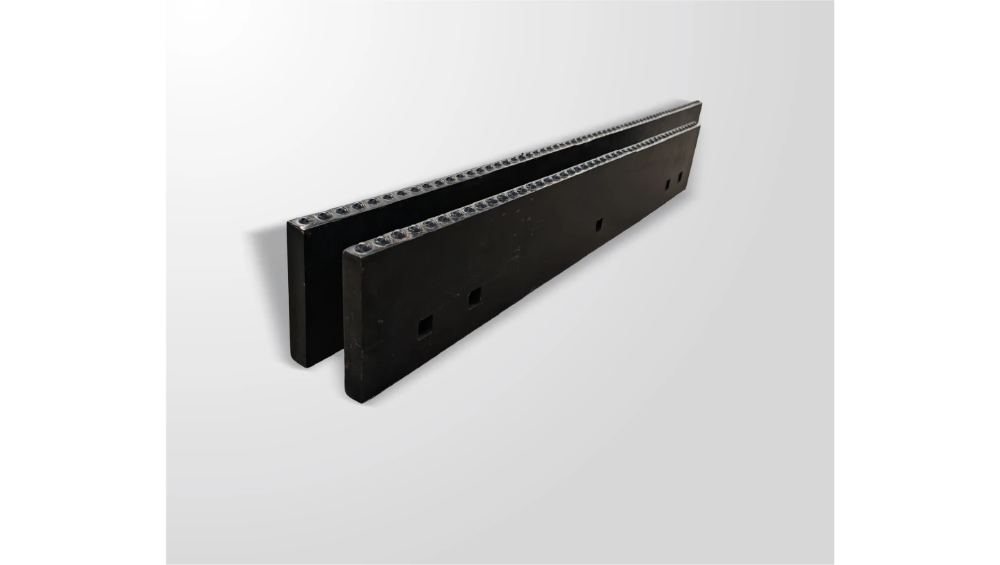
To secure workpieces for carbide cuts effectively, transition from force-based clamping to rigidity-based geometric encapsulation using hydraulic expansion vises, zero-point nesting fixtures, or uniform magnetic clamping that fully dampen harmonic frequencies. This guidance is essential for CNC machining shop managers and tool engineers who face premature carbide insert shattering from micro-chatter during high-hardness steel alloy milling. Note that traditional manual clamping may create localized stress zones that cause catastrophic chipping even when the workpiece appears tightly secured.
Why Micro-Chatter Causes Catastrophic Carbide Tool Failure
Tungsten carbide possesses extraordinary hardness (Mohs 9+) but critically low fracture toughness. When cutting forces exceed 300 MPa during high-speed operations, any micro-elastic bending at the workpiece interface creates rebound forces that shove the workpiece back into the trailing edge of the cutter. This phenomenon triggers chipping because carbide’s incredibly high elastic modulus cannot absorb the harmonic resonant vibrations that occur when fixtures lack sufficient damping capacity.
The industry standard advice to “clamp the workpiece tightly” fails under these conditions. Traditional manual clamping creates localized stress concentration zones that cause micro-elastic bending. When the workpiece rebounds into the cutter’s trailing edge, the carbide insert experiences catastrophic chipping rather than smooth cutting.
Cutting tools significantly impact chatter and often serve as the primary trigger, but workholding methods incorporating fixtures and clamping tools are equally crucial for preventing chatter. Design fixtures that provide overall structural rigidity to the workpiece, particularly in critical areas, while supporting weaker part features such as slender cross-sections or thin bottoms.
Precision Workholding Categories Graded by Vibration Dampening
Different workholding systems deliver varying levels of shock absorption for high-rigidity carbide cutting. Understanding these categories helps machining shops select fixtures that match their specific cutting forces and workpiece geometries.
Hydraulic expansion checks and shrink holders are less suitable for smooth milling processes when vibration marks appear on components. For precision parts, adopt a “rough machining – release and re-clamp – finish machining” strategy where the fixture provides only the minimum clamping force necessary to counteract cutting forces.
When experiencing chatter problems, better first steps include improving rigidity and stability: rework the fixture to hold the workpiece more securely, use a milling vise with vise jaws or serrated teeth for enhanced gripping force, and ensure robust clamping to prevent micro-movements caused by cutting forces.
Preventing Over-Clamping Deformation in Thin-Walled Workpieces
Over-clamping creates dimensional errors that throw off CAD/CAM spatial geometries, particularly in thin-walled components. The workpiece is easy to deform under clamping pressure, thereby affecting dimensional accuracy.
Increase the clamping contact surface by using slit sleeves or special soft jaws. Enlarging the contact surface distributes clamping force evenly on the workpiece, preventing deformation during clamping. For axial clamping of thin-walled workpieces, radial clamping should not be used as much as possible. The axial clamping method distributes force along the workpiece’s axial direction, where axial rigidity is large and clamping deformation is不易 occur.
Some thin-walled workpieces are specially manufactured with several machining ribs at the clamping position to improve rigidity. The clamping force acts on these machining ribs, reducing workpiece deformation. After machining completes, remove the machining ribs.
Successful thin-walled fixture designs must feature minimal induced deformation, superior vibration damping capability, and precise force transmission paths. Utilize disc springs or constant-pressure pneumatic cylinders to maintain clamping force below the part’s deformation threshold.
Harmonic Resonance and Its Effect on Carbide Binder Phase Under Cutting Conditions
Harmonic resonant vibration affects cutting stability fundamentally. Variable Helix or Variable Pitch designs help minimize chatter by reducing harmonics caused when the cutting edge has repeated contact with the workpiece. To reduce harmonics, vary the time intervals between flute contact with the workpiece.
Vibrations are unavoidable during machining, but minimizing them can mean the difference between successful machining and scrapped parts. Following three simple rules keeps chatter and harmonics under control: selecting the right tool, ensuring a secure machine-tool connection, and using climb milling strategy.
Implement “harmonic matching” by deliberately increasing or decreasing spindle speed to shift cutting vibration frequencies out of the machine’s resonance range. Start by identifying a speed range where chatter is minimal, then fine-tune spindle speed in small increments.
Using the correct number of engaged teeth is essential to avoid harmonic imbalances. Pay attention to workpiece material, design, and fixture rigidity when determining cutter pitch.
Common Procurement Mistakes That Drive Up Tooling Costs
Buying workholding infrastructure only by unit price instead of lifecycle cost creates hidden expenses. Low fixture quality can increase blade change frequency, scrap parts, and premature carbide insert shattering—driving up total tooling costs significantly.
Assuming carbide is best for every road surface or machining application ignores material limitations. Carbide can improve wear resistance in suitable conditions but may not be ideal for every impact environment or workpiece geometry.
Ignoring impact exposure from manholes, curbs, bridge joints, and uneven pavement creates unexpected tool failure. These obstacles generate shock loads that exceed carbide’s fracture toughness limits regardless of how securely the workpiece is clamped.
Ordering fixtures without verifying dimensions, bolt patterns, mounting systems, and machine compatibility causes installation delays and suboptimal performance. Technical details should be confirmed before procurement.
Treating wear-life claims as universal rather than route-dependent creates procurement risk. Carbide insert life depends on workpiece material, cutting parameters, fixture rigidity, operator practice, and maintenance schedule.
Failing to ask about batch traceability, QC process, material sourcing, and after-sales support from fixture manufacturers creates supply-chain vulnerability. Supplier certifications should be checked against documentation.
Ignoring delivery reliability before peak production demand creates downtime risks. Choose fixture suppliers with proven delivery performance for industrial manufacturing environments.
Selecting a blade or fixture design without considering packed ice versus loose snow versus abrasive pavement conditions (analogous to different workpiece materials in machining) ignores operating-condition factors that determine performance.
Engineering Checklist for Selecting Rigid Carbide-Cutting Fixtures
Use this checklist when evaluating workholding solutions for high-speed carbide tooling applications:
Fixture Rigidity Parameters:
-
Maximum clamping force sufficient to counteract cutting forces exceeding 300 MPa
-
Structural rigidity that supports weaker part features without micro-elastic bending
-
Vise jaws with serrated teeth for enhanced gripping force
-
Shortest tool overhang from spindle nose to tip to minimize vibrations
Vibration Dampening Requirements:
-
Fixture material that affects static stiffness and damping behavior during cutting
-
Balanced tool holders to reduce vibration when running at higher speeds
-
Damping attachments or damped toolholders designed to reduce tool vibrations
-
Viscoelastic materials between machine table and workpiece for additional damping
Workpiece-Specific Considerations:
-
Increased clamping contact surface for thin-walled workpieces
-
Axial clamping preferred over radial clamping for thin-walled parts
-
Process ribs at clamping position to enhance rigidity, removed after machining
-
Minimum clamping force for finish machining to counteract cutting forces only
Machine-Tool Connection:
-
Clean spindles, collets, and holders to minimize runout
-
Shortest possible holder overhang with largest possible diameter
-
High runout precision critical for high-speed machining applications
-
Rigidly clamped tools perform best for high-performance machining with deeper cuts
How Fixture Rigidity Directly Extends Tungsten Carbide Insert Lifespan
Fixture rigidity fundamentally affects total tool lifespan of tungsten carbide inserts. Chipping looks like small bits broken out of the cutting edge and is common in non-rigid situations. To minimize chipping, select a tougher carbide grade and stronger cutting edge geometry while minimizing deflection.
Secure the workpiece as rigidly possible using high-quality work-holding solutions such as vises, clamps, and fixtures that minimize movement. Double-check that the workpiece is seated securely with no opportunity to shift during operation.
For larger parts, consider custom fixturing specifically designed to reduce vibration. Avoid long overhangs or excessive part extensions beyond the fixture whenever possible.
Using a larger end mill with larger core diameter, shortest overhang from spindle nose to tip, and stub length end mills where possible improves rigidity and reduces chatter.
The right cutter pitch based on workpiece material, design, and fixture rigidity is essential. Using the correct number of engaged teeth avoids harmonic imbalances.
To avoid chipping your inserts, reduce the risk of vibrations by selecting appropriate workholding That provides sufficient rigidity.
Frequently Asked Questions
Why do carbide cutting tools chip when workpieces are insufficiently secured?
Carbide tools chip because micro-elastic rebound from insufficiently secured workpieces pushes the material back into the cutter’s trailing edge, exceeding carbide’s low fracture toughness. Tungsten carbide has high hardness but cannot absorb harmonic vibrations from workpiece movement, causing catastrophic chipping.
What are the best precision workholding tools for heavy-duty CNC carbide milling?
Hydraulic expansion vises, zero-point nesting fixtures, and pneumatic fixtures with disc springs deliver the highest vibration dampening and rigidity for heavy-duty carbide milling. These systems provide structural rigidity while supporting weak part features and preventing micro-movements.
How do you prevent workpiece vibration and chatter during high-speed metal cutting?
Prevent chatter by securing the workpiece as rigidly possible, using milling vises with serrated teeth, reworking fixtures to hold more securely, employing shortest tool overhang, and implementing harmonic matching through spindle speed adjustment.
Can excessive clamping force cause dimensional errors when machining hard alloys with carbide?
Yes, excessive clamping force deforms thin-walled workpieces, throwing off CAD/CAM spatial geometries and creating dimensional accuracy problems. Use minimum clamping force for finish machining and increase contact surface to distribute force evenly.
How does fixture rigidity affect the total tool lifespan of tungsten carbide inserts?
Fixture rigidity directly extends insert lifespan by minimizing deflection and preventing chipping common in non-rigid situations. Rigid workholding reduces vibration risk, enabling tougher carbide grades to perform optimally without catastrophic failure.
Related articles
 Best Snow Plow Blade Family for Your Fleet: Top 5 ScenariosKnowledge
 Top 10 Snow Plow Blade Types for Winter Fleets (Ranked by Duty Fit)Knowledge
 Top 5 Best Carbide Blade Configurations for Highway PlowingKnowledge
 Best Snow Plow Blade Materials Ranked: Steel vs Carbide vs Cladding vs Rubber-CarbideKnowledge