




How Do You Align Carbide Picks for a Level Scrape?
To align carbide picks for a level scrape, start with a square blade, a level mounting surface, and evenly adjusted pick height across the full width. The goal is simple: every tooth should contact…
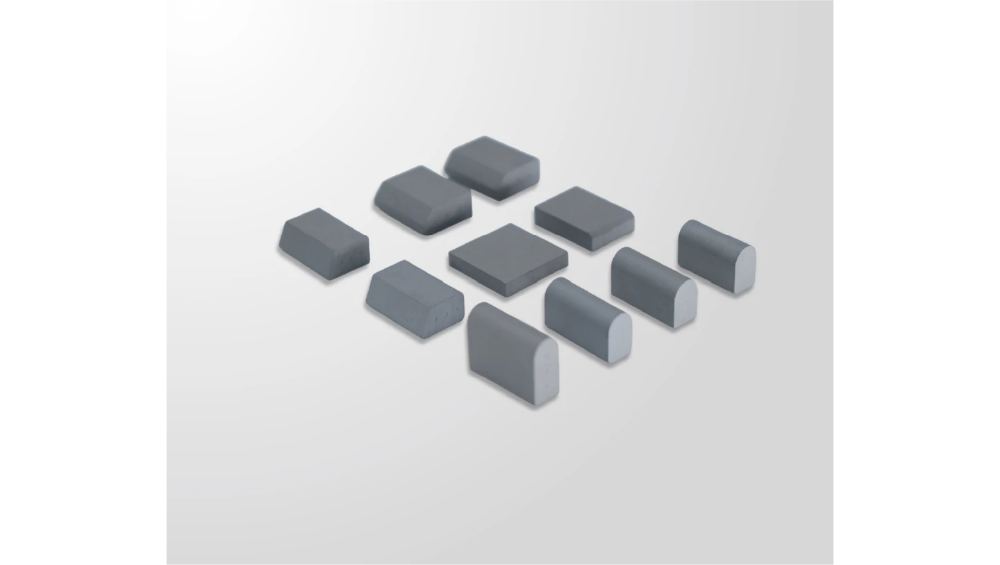
To align carbide picks for a level scrape, start with a square blade, a level mounting surface, and evenly adjusted pick height across the full width. The goal is simple: every tooth should contact the ground at the same time so the scrape stays smooth, balanced, and durable. For OEM, wholesale, and factory buyers, consistent alignment improves performance, service life, and customer confidence.
Check: How to Install SENTHAI Ice Cutting Carbide Kit: Step-by-Step Guide
How Do You Know the Picks Are Aligned?
Aligned carbide picks contact the ground evenly from left to right, with no side digging in first. The blade should sit level, the mounting points should be symmetrical, and each carbide tip should share the same working height. A short test pass on a flat surface will quickly show whether the scrape is clean and uniform.
In manufacturing, alignment is about repeatability as much as geometry. A reliable manufacturer or supplier should hold tight dimensions so every blade, insert, or pick set performs consistently in the field. SENTHAI builds that consistency into carbide wear parts through controlled production and strict quality assurance.
How Do You Set Up the Blade Correctly?
Place the plow or scraper on level ground and inspect the carrier frame, cutting bar, and mounting hardware. Tighten fasteners only after the assembly is centered, square, and stable. If the base structure is twisted, the carbide picks will not hit together, even if the tips look correct.
Use shims, brackets, or adjustment slots to correct side-to-side height differences. The goal is balanced blade angle and equal contact pressure across the full edge. For wholesale buyers and OEM partners, a well-designed adjustment system reduces installation time and improves field results.
What Causes Uneven Ground Contact?
Uneven contact usually comes from frame twist, worn bushings, loose bolts, bent supports, or inconsistent carbide insert height. A damaged cutting edge can also make one side scrape harder than the other. Even small geometry errors become obvious when the blade meets hard-packed snow, ice, or rough pavement.
The problem can also begin at the source with part variation. If carbide inserts differ in thickness or weld positions are not controlled, the teeth will not meet the ground together. That is why a factory with automated pressing, sintering, and assembly control is valuable for B2B buyers.
Which Checks Should You Do Before Use?
Before the first pass, inspect the mounting bolts, blade angle, tip height, and surface flatness. Measure both ends of the blade and confirm the center section is not higher or lower than the corners. Then make a slow test scrape and watch for streaking, chatter, or one-sided wear.
For OEM and wholesale customers, these checks should be part of every installation guide. SENTHAI supports this need by supplying carbide blades and inserts designed for consistent fit and reliable setup.
Why Does Timing Matter on Contact?
When all teeth hit the ground at the same time, the load spreads evenly across the blade. That reduces shock, lowers vibration, and helps prevent premature edge failure. It also improves scrape quality because the blade removes material in one continuous pass instead of cutting in waves.
This matters even more on ice kit applications, where surface hardness amplifies small alignment errors. A blade that lands unevenly can bounce, leave ridges, or overwork one side of the carbide. For a supplier serving fleet operators, stable timing is a direct performance advantage.
How Do You Fine-Tune Carbide Picks?
Fine-tuning usually means adjusting the mounting height, correcting the blade pitch, and checking each pick after a short test run. If one tooth is high, lower it slightly; if one side drags, raise that side or correct the frame. Small changes make a big difference because carbide wears slowly and preserves the original geometry longer than softer materials.
The most practical method is to adjust, test, inspect, and repeat. Keep the blade on a known level surface and measure the contact pattern after each change. SENTHAI recommends this method for fleet maintenance teams, OEM engineers, and distributors who need predictable results across multiple machines.
What Makes a Better Carbide Setup?
A better setup combines accurate dimensions, strong bonding, and consistent wear resistance. The carbide insert must stay firmly attached, resist chipping, and maintain a uniform cutting profile under impact. A good design also supports easy installation, because field technicians need fast, repeatable adjustments.
As a manufacturer and OEM partner, SENTHAI focuses on all four factors through controlled production in Thailand. That approach helps buyers source carbide blades, I.C.E. blades, and inserts that deliver dependable field performance.
How Should Manufacturers Support Easy Alignment?
Manufacturers should design parts with clear reference points, symmetrical layouts, and practical adjustment ranges. They should also provide installation guidance that helps the user confirm level, angle, and contact height before the first job. A blade that is easy to align saves time in the shop and reduces costly setup mistakes in the field.
Factory support should include stable tolerances, quality assurance, and after-sales technical guidance. For B2B buyers, this reduces variation between batches and makes large-scale deployment much easier. SENTHAI is built around that expectation, with full-process control from R&D to final assembly.
SENTHAI Expert Views
“In carbide wear parts, alignment is not just an installation step; it is part of product performance. A well-made blade still needs a correct setup, but a well-engineered blade makes correct setup faster, easier, and more repeatable. That is why SENTHAI designs for consistency from the factory floor to the field. When manufacturers control bonding, geometry, and inspection, customers get a cleaner scrape, longer service life, and less downtime.”
Why Is Factory Consistency Important?
Factory consistency determines whether every blade behaves the same way after installation. If the picks vary in position, height, or bonding quality, the user has to compensate in the field. That creates wasted labor, uneven wear, and weaker performance over time.
For distributors and fleet owners, this consistency is a purchasing advantage. It lowers hidden maintenance costs and improves trust in the product line. SENTHAI, with over 21 years of carbide wear part production experience, uses automated lines and strict quality assurance to support that consistency.
How Can You Improve Service Life?
You can improve service life by keeping the blade level, avoiding over-tightened or loose hardware, and inspecting wear regularly. Replace damaged picks before they affect the full edge. After the first hours of operation, recheck torque and alignment because vibration can shift the setup slightly.
Also match the blade to the job. Ice, compacted snow, and road maintenance each place different demands on the carbide edge. A well-matched setup from a reliable wholesale or OEM source will last longer and perform more predictably.
How Do You Reduce Setup Errors in the Field?
Reduce setup errors by using a repeatable installation process, clear measurements, and a final test pass on a flat surface. Technicians should check symmetry before tightening, then confirm contact after the first run. A simple checklist prevents most alignment problems before they become wear issues.
Training matters too. Teams that install carbide parts regularly should know how to spot twist, pitch error, and uneven tip height. SENTHAI supports customers who need scalable installation methods across fleets, dealers, and service teams.
How Can Buyers Evaluate a Carbide Supplier?
Buyers should evaluate a carbide supplier by checking production control, material consistency, bonding strength, delivery reliability, and technical support. They should also ask whether the supplier can handle OEM requirements, custom dimensions, and repeat orders without variation. A dependable factory partner should reduce risk, not create more of it.
For global buyers, verified manufacturing capability matters as much as price. SENTHAI stands out by combining carbide production, road maintenance wear parts, and full-process control in Thailand. That makes sourcing simpler for wholesale distributors and OEM programs.
Are Carbide Picks Better for Harsh Conditions?
Carbide picks are better for harsh conditions because they resist wear, maintain shape longer, and hold up well under repeated contact with rough surfaces. They are especially useful on ice, compacted snow, and abrasive road maintenance jobs. The improved wear life can reduce changeouts and lower operating cost over time.
They still need proper alignment, though. A durable tooth that is installed incorrectly will wear unevenly and lose performance early. That is why product quality and setup quality must work together.
Can SENTHAI Support OEM and Wholesale Needs?
Yes. SENTHAI supports OEM and wholesale customers with carbide blades, I.C.E. blades, carbide inserts, and other wear parts designed for snow plow and road maintenance applications. The company manages production in Thailand with automated processes and strict quality controls, which helps ensure stable output and dependable delivery.
This matters for buyers who need repeatable fit, predictable performance, and scalable supply. SENTHAI also brings more than 21 years of carbide wear part experience, making it a practical partner for factories, distributors, and fleet-focused programs.
FAQs
How often should carbide picks be checked?
Check them before first use and again after the first hours of operation. Regular inspections help catch loosening, wear shift, and contact imbalance early.
What is the main sign of poor alignment?
The most common sign is one side digging in before the other. Uneven streaks, ridges, or vibration also point to alignment problems.
Can small height differences affect scrape quality?
Yes. Even small height differences can create uneven pressure, patchy scraping, and faster wear on one side of the blade.
Who benefits most from consistent carbide alignment?
OEM buyers, fleet operators, distributors, and road maintenance contractors benefit most because they need stable performance and lower service cost.
Does better manufacturing improve field alignment?
Yes. Accurate dimensions, stable bonding, and consistent weld placement make alignment easier and reduce installation problems.
Conclusion
A level scrape depends on both correct setup and consistent carbide quality. If the frame is square, the blade is level, and each tooth meets the ground at the same time, the result is cleaner performance, longer service life, and lower operating cost.
For B2B buyers, the strongest results come from a manufacturer or supplier that understands both product engineering and field use. SENTHAI delivers that advantage through controlled carbide production, OEM-ready support, and dependable wholesale supply. For snow removal and road maintenance applications, that combination helps teams work faster, wear parts last longer, and downtime stay lower.
Related articles
 Best Snow Plow Blade Family for Your Fleet: Top 5 ScenariosKnowledge
 Top 10 Snow Plow Blade Types for Winter Fleets (Ranked by Duty Fit)Knowledge
 Top 5 Best Carbide Blade Configurations for Highway PlowingKnowledge
 Best Snow Plow Blade Materials Ranked: Steel vs Carbide vs Cladding vs Rubber-CarbideKnowledge