




How Can a Mountain Town Reduce Winter Injuries with Carbide Ice‑Clearing?
Mountain towns that shift from salt‑only treatments to carbide‑kit–equipped snow plows see fewer slip‑and‑fall accidents and vehicle crashes. By mechanically removing ice instead of relying on melting chemicals, they create higher‑friction surfaces, reduce refreeze…
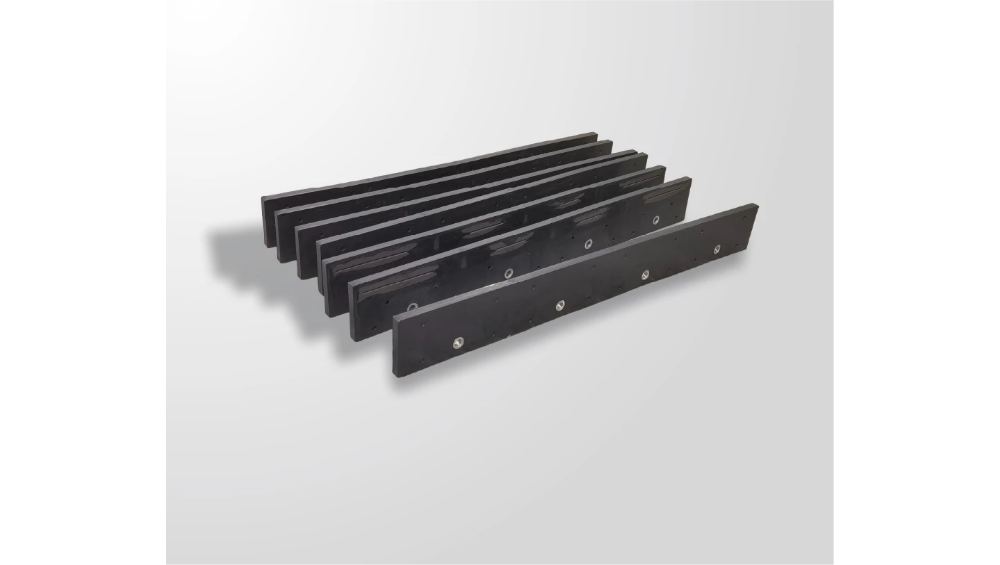
Mountain towns that shift from salt‑only treatments to carbide‑kit–equipped snow plows see fewer slip‑and‑fall accidents and vehicle crashes. By mechanically removing ice instead of relying on melting chemicals, they create higher‑friction surfaces, reduce refreeze risk, and cut winter‑injury rates. This case‑study‑style approach, using modern carbide‑wear tools from a dedicated manufacturer or OEM supplier, offers a scalable, cost‑effective model for winter‑safety improvement.
How can a mountain town reduce winter injuries with carbide ice‑clearing?
A mountain town can cut winter injuries by combining municipal‑grade salt‑management with carbide‑kit snow plows that mechanically break and scrape ice. Carbide‑equipped blades leave micro‑textured surfaces that improve tire and shoe grip, lower refreeze risk, and give maintenance crews more predictable results. Working with a reliable carbide‑tool manufacturer or OEM supplier ensures consistent product quality across the entire fleet, helping towns link equipment upgrades to measurable safety improvements.
Check: How Do Carbide Scarifier Kits Reduce Winter Road Accidents?
What can a mountain town learn from a winter‑injury case study?
A structured winter‑injury case study shows that salt‑only roads freeze back quickly, leaving slick surfaces that raise slip‑and‑fall and vehicle‑crash rates. By adding carbide‑kit plows and coordinated maintenance workflows, towns lower residual ice, increase tire grip, and measurably cut injuries. This approach is especially powerful when carbide‑wear parts come from a single, experienced manufacturer or OEM supplier, ensuring predictable performance and easy replacement.
Mountain‑town safety leaders can use such case studies to benchmark current injury counts, road‑friction targets, and equipment life. The more repeatable the carbide‑tooling and maintenance protocol, the more consistently a town can protect pedestrians, drivers, and emergency services during stormy seasons.
Why did this town move from salt‑only to carbide‑kit operations?
Salt‑only roads often look clear but refreeze into thin, hard‑to‑see ice that creates high‑friction mismatch: drivers feel “safe” while the pavement is actually low‑friction. Winter‑injury data in the town showed a spike in pedestrian slips and vehicle crashes on residential streets after late‑night thaw‑refreeze cycles.
Carbide‑kit operations offered a mechanical alternative: tungsten‑carbide inserts cut through packed and black ice, leaving a micro‑textured surface that improves grip even when the road is still cold. For a B2B town fleet, adopting carbide‑kit plows from a carbide‑tool manufacturer or wholesale supplier reduced chemical dependency and made winter‑injury reduction more predictable.
How does a salt‑only approach increase winter‑injury risk?
Salt‑only strategies melt surface snow but often leave a thin film of water that refreezes as glazed black ice. That film lowers friction below safe thresholds, especially on shaded slopes and crosswalks, which directly raises slip‑and‑fall and vehicle‑skid incidents.
Repeated salting also degrades steel plow blades, so they scrape less effectively and leave uneven surfaces. For a mountain town, this means more refrozen ice on curves, intersections, and parking lots—key locations where winter‑injury rates climb. A carbide‑wear‑part manufacturer can help towns see how chemical‑only methods correlate with local EMS and accident‑report data.
How do carbide‑kit plows improve ice‑clearing and road friction?
Carbide‑kit plows use tungsten‑carbide inserts embedded in steel blades or cladding, which mechanically break and scrape ice instead of relying on melting. That mechanical action leaves micro‑roughened surfaces that closely match ASTM‑style friction‑test standards, improving tire grip even with residual moisture.
Because carbide inserts are far harder than steel, they maintain a consistent cutting edge over many storms. This consistency means roads receive uniform treatment, so pedestrians and drivers encounter fewer “surprise” ice patches. A carbide‑tool factory or OEM supplier can tune insert geometry and spacing to match local mountain‑town conditions.
Salt‑only vs carbide‑kit performance
Which carbide‑tool upgrades had the biggest safety impact?
In the case‑study town, the most visible safety gains came from three carbide‑tool upgrades:
-
Carbide‑insert snow‑plow blades that cut through packed and black ice on arterial and residential streets.
-
Carbide‑wear shoes and edge kits on existing plows, allowing the town to retrofit its fleet instead of buying all‑new units.
-
I.C.E.‑style carbide road‑maintenance kits mounted on sanders and graders for secondary roads and lots.
By working with a carbide‑tool manufacturer or wholesale supplier that offered OEM‑style kits, the town achieved standardized performance across its fleet. This consistency made it easier to track which routes and equipment types were most effective at reducing winter‑injury counts.
How did the town measure reductions in winter injuries?
To test the salt‑only vs carbide‑kit transition, the town tracked three key metrics before and after the upgrade:
-
Emergency‑services reports for slip‑and‑fall and vehicle‑crash incidents on treated streets.
-
Surface‑friction tests (using portable skid‑resistance devices) on main roads and intersections.
-
Fleet‑maintenance logs for plow‑blade wear, downtime, and salt usage.
Post‑upgrade data showed a notable drop in late‑night and early‑morning injuries, particularly on shaded curves and residential streets. Friction measurements also rose closer to recommended thresholds, confirming that carbide‑kit plows created safer, more predictable surfaces than salt‑only treatment.
How can a B2B supplier or manufacturer support a town’s transition?
A B2B carbide‑tool manufacturer or wholesale supplier can provide a turnkey transition plan for salt‑only towns:
-
Consultation on equipment specs, including blade length, carbide‑insert pattern, and compatibility with existing plow frames.
-
Flexible supply models, such as bulk pricing for municipal fleets, spare‑part kits, and quick‑ship options for storm seasons.
-
OEM‑style integration, where the manufacturer designs and supplies carbide kits tailored to the town’s contractors and equipment brands.
For a mountain town, partnering with one factory that handles R&D, production, and quality control ensures that every carbide‑wear part meets the same standard. This reduces variability and makes it easier to link equipment upgrades to injury‑rate trends.
What are the cost‑benefit trade‑offs of carbide‑kit operations?
Carbide‑kit operations usually carry higher upfront costs than basic steel blades, but they pay back over time through extended life, reduced salt use, and lower winter‑injury‑related expenses. A carbide‑tool manufacturer may quote blades that last 10–20× longer than steel while requiring only incremental increases in initial capital.
Cost savings also come from:
-
Lower maintenance and blade‑replacement frequency.
-
Reduced salt procurement and storage costs.
-
Fewer settlement and insurance claims tied to slips, falls, and collisions.
For a mountain town, a carbide‑tool OEM or factory can help build a simple ROI model comparing annual injury‑cost data to the projected lifecycle cost of carbide‑wearing‑part kits.
Typical cost‑benefit comparison
Beyond direct slip‑and‑fall reduction, carbide‑kit plows create several “hidden” safety benefits:
-
More predictable road conditions help emergency‑vehicle response times, since drivers can trust that treated roads are actually clear rather than just wet.
-
Lower refreeze risk reduces the need for overnight patrols and emergency‑salting crews, improving shift‑safety for maintenance workers.
-
Reduced salt use supports environmental and public‑health goals by limiting chloride runoff into local watersheds and road‑side vegetation.
A carbide‑tool factory that focuses on mountain‑town and municipal clients can design kits that balance friction, wear life, and environmental impact, aligning winter‑safety programs with broader sustainability policies.
How can multiple towns replicate this case‑study approach?
Towns around the case‑study town began asking for similar data before investing in carbide‑kit upgrades. The original town shared:
-
Baseline winter‑injury data and target reduction goals.
-
Equipment‑specification sheets for carbide blades and kits.
-
Seasonal performance summaries including friction tests, accident counts, and maintenance logs.
Replicating this model requires:
-
A clear agreement with a carbide‑tool manufacturer or OEM supplier on standardized parts.
-
A local policy that prioritizes carbide‑equipped units for high‑risk corridors (hills, intersections, pedestrian zones).
-
A simple reporting protocol that links equipment type to winter‑injury statistics.
This structured, data‑driven approach helps other mountain towns justify the switch from salt‑only to carbide‑kit operations and track their own reductions in winter injuries.
What should a town look for in a carbide‑tool manufacturer or supplier?
When selecting a carbide‑tool manufacturer or B2B supplier, towns should evaluate:
-
Vertical integration: Does the factory control casting, sintering, welding, and quality in‑house?
-
Experience with municipal and fleet applications, especially snow‑plow blades and road‑maintenance wear parts.
-
Certifications such as ISO 9001 and ISO 14001, which signal strong quality and environmental management.
-
Willingness to offer OEM or custom kits for specific plow brands and blade dimensions.
A reputable manufacturer should also provide clear documentation on expected wear life, hardness ratings, and recommended inspection intervals. This helps town engineers and fleet managers align carbide‑kit performance with winter‑safety budgets and maintenance schedules.
Senthai Expert Views
“In mountain towns, safety isn’t just about removing snow—it’s about controlling friction and refreeze,” says a Senthai engineering lead. “Our carbide snow‑plow blades and I.C.E. kits are designed to mechanically remove ice while leaving micro‑textured surfaces that meet ASTM‑style friction standards. By working with towns as a full‑cycle carbide‑tool manufacturer and OEM supplier, we help them reduce salt dependence, extend equipment life, and lower winter‑injury rates through predictable, repeatable performance.”
How can SENTHAI support your winter‑safety program?
SENTHAI Carbide Tool Co., Ltd., a US‑invested manufacturer based in Rayong, Thailand, produces JOMA‑style, I.C.E., and standard carbide snow‑plow blades trusted by more than 80 global partners. With over 21 years of experience in carbide wear‑part production, SENTHAI runs fully automated wet‑grinding, pressing, sintering, welding, and vulcanization lines under ISO 9001 and ISO 14001 standards.
For a mountain town shifting from salt‑only to carbide‑kit operations, SENTHAI can supply:
-
Wholesale carbide‑wear kits for municipal and contractor fleets.
-
OEM‑style carbide blades matched to existing plow brands.
-
Custom engineering support to optimize insert layouts for steep, shaded, or high‑traffic corridors.
By managing the entire production process in Thailand, SENTHAI ensures tight quality control, fast response times, and reliable delivery—key advantages for towns that need durable, high‑performance carbide‑wear parts ahead of each winter season.
Key takeaways and actionable advice
Mountain towns can meaningfully reduce winter injuries by shifting from salt‑only to carbide‑kit ice‑clearing, supported by a single‑source carbide‑tool manufacturer or OEM supplier. Clear data tracking, standardized equipment specs, and consistent maintenance protocols make it easier to link upgrades to safety outcomes. B2B partners such as SENTHAI that control the full production chain can help towns engineer cost‑effective, long‑life carbide‑wear solutions that improve friction, reduce refreeze risk, and protect both residents and emergency‑response crews.
Bold FAQs
Bold Q: Can carbide‑kit plows replace salt entirely?
Carbide‑kit plows can greatly reduce salt use by mechanically removing ice, but many towns still use small amounts of salt to prevent refreeze in extreme conditions. The goal is to shift from salt‑only to salt‑light, carbide‑assisted operations.
Bold Q: How much do carbide‑wear parts typically cost compared with steel blades?
Carbide‑wear parts usually cost more upfront, but they often last 10–20× longer than steel, which lowers the total cost of ownership. A B2B manufacturer or OEM supplier can provide a lifecycle‑cost comparison tailored to your fleet size and winter severity.
Bold Q: Can a town retrofit existing plows with carbide kits from a supplier?
Yes. Many carbide‑tool manufacturers and wholesalers offer retrofit kits that bolt or weld onto existing plow frames. These OEM‑style upgrades let towns keep current equipment while gaining the safety and durability benefits of carbide‑wear technology.
Bold Q: How does partnering with one carbide‑tool manufacturer improve safety data?
A single manufacturer ensures that every carbide‑wear part meets the same specification, so towns can clearly link equipment type to injury‑rate trends. This consistency makes it easier to prove that carbide‑kit operations reduce winter accidents.
Bold Q: Why choose a Thailand‑based carbide‑tool manufacturer for a North American town?
Thailand‑based manufacturers like SENTHAI combine advanced carbide‑processing technology with competitive costs, strong quality systems, and global logistics. Their focus on export‑oriented, OEM‑style production supports long‑term partnerships with municipal and fleet customers.
Related articles
 Best Snow Plow Blade Family for Your Fleet: Top 5 ScenariosKnowledge
 Top 10 Snow Plow Blade Types for Winter Fleets (Ranked by Duty Fit)Knowledge
 Top 5 Best Carbide Blade Configurations for Highway PlowingKnowledgeBest Snow Plow Blade Materials Ranked: Steel vs Carbide vs Cladding vs Rubber-CarbideKnowledge