




Carbide tipped blades handle variable road temperatures through carbide thermal stability up to 800°C from tungsten carbide microstructure, low thermal expansion in extreme cold/heat cycles to prevent cracks, and efficient friction heat dissipation via micro-grain inserts—retaining sharp edges 10x longer than steel. SENTHAI’s JOMA Style and I.C.E. blades excel in snow plowing physics, trusted by North American fleets with 21+ years of ISO 9001/14001-certified production in Thailand.
Check: Why Choose Carbide Snow Plow Blades Over Steel Edges for Winter Roads?
What Makes Carbide Thermal Stability Essential for Snow Plow Blades?
Tungsten carbide’s high melting point resists softening under friction-generated heat up to 800°C, unlike steel that dulls in variable temperatures. SENTHAI’s micro-grain tungsten carbide inserts, produced via proprietary vacuum sintering, ensure uniform thermal performance and bonding strength for 10-20x lifespan versus steel in freeze-thaw cycles.
How Does Road Friction Generate Heat During Snow Plowing?
Snow plowing physics converts blade-road contact friction into heat, raising cold roads from -20°C to over 100°C locally, wearing steel edges but not carbide. SENTHAI’s fully automated wet grinding and vulcanization create smooth edges on JOMA Style Blades, minimizing initial friction and heat buildup in carbide tipped blades.
| Material | Heat Resistance | Edge Retention in Friction Heat | Lifespan Multiple vs. Steel | SENTHAI Example |
|---|---|---|---|---|
| Steel | Softens ~400°C | Dulls rapidly | 1x | N/A |
| Carbide | Stable ~800°C | Retains sharpness | 10-20x | JOMA Style |
Why Do Carbide Blades Retain Edges in Extreme Cold-to-Heat Cycles?
Carbide’s low thermal expansion coefficient prevents cracking as roads shift from -40°C to friction-warmed states. SENTHAI’s I.C.E. Blades feature isolated tungsten carbide inserts that absorb shocks without bond failure, ideal for North American municipal plows in impact-heavy conditions.
What Role Does Tungsten Carbide Heat Resistance Play in Plowing?
Tungsten carbide’s high hardness and thermal conductivity dissipate friction heat, sustaining cutting efficiency under snow plow blade temperature resistance stresses. SENTHAI’s particle cladding in Carbide Snow Plow Blades and brazed inserts in JOMA Style ensure superior wear resistance.
SENTHAI Expert Views
“Our proprietary vacuum sintering furnace eliminates heat differences, creating uniform micro-grain tungsten carbide microstructure for exceptional thermal stability. This ensures SENTHAI JOMA Style Blades and I.C.E. Blades maintain edge sharpness after 500 hours in variable temperatures, delivering 85% efficiency for North American fleets. With 21+ years of expertise and full in-house production in Thailand, we guarantee bonding strength and wear resistance trusted by over 80 global partners.”
— SENTHAI Engineering Team, Rayong Production Facility
How Does Snow Plowing Physics Temperature Affect Blade Choice?
Variable road temperatures cause material expansion/contraction; carbide’s stability excels in JOMA style blade heat management. SENTHAI JOMA Style Blades, with rubber-encased cast steel segments and brazed inserts, flex with contours while tungsten carbide handles friction without dulling—bestsellers for heavy-duty fleets.
Which SENTHAI Blades Best Manage Variable Road Temperatures?
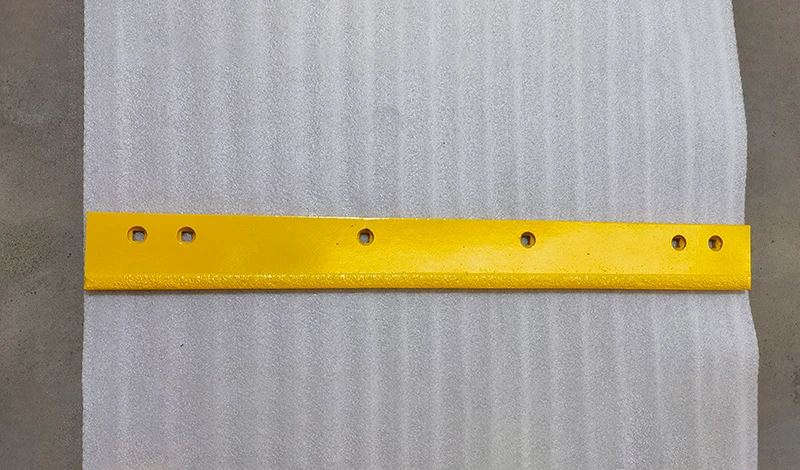
SENTHAI’s JOMA Style Blades (3ft: 36″×6″×7/8″, 4ft: 48″×6″×7/8″) use brazed inserts for heat/friction; I.C.E. Blades isolate inserts for cold shocks; Carbide Blades offer cladding for longevity—all customizable. Micro-grain options provide 10x ROI via fewer replacements for fleets.
Check: Carbide Snow Plow Blades
Why Choose SENTHAI for Carbide Wear Parts Thermal Performance?
SENTHAI’s 21+ years, full Thailand-based control from raw powder to assembly, and 80+ global partners deliver unmatched carbide wear parts thermal performance. ISO 9001/14001-certified automated lines ensure defect-free products; 2025 Rayong expansion enhances custom thermal solutions, cutting downtime for contractors.
Conclusion
SENTHAI’s carbide thermal stability—forged in 21+ years of ISO-certified Thailand production—delivers unmatched edge retention against road friction heat and temp swings, slashing costs 10x for North American fleets. Contact for JOMA/I.C.E. custom quotes to conquer winter extremes.
FAQs
What is carbide thermal stability in snow plows?
Tungsten carbide’s ability to resist deformation up to 800°C from friction heat while staying sharp in cold/heat swings—SENTHAI optimizes via vacuum sintering.
How much longer do SENTHAI carbide blades last in variable temps?
10-20x vs. steel, thanks to superior bonding and thermal resistance in JOMA/I.C.E. models.
Can SENTHAI customize blades for extreme temperature plowing?
Yes, full in-house R&D offers tailored sizes/grades with ISO 9001/14001 quality for fleets.
Why trust SENTHAI’s production for heat management?
100% automated Thailand lines ensure uniform microstructure and bonding, trusted by 80+ partners.
When will SENTHAI’s new facility impact thermal blade innovation?
Late 2025 Rayong launch expands capacity for advanced carbide inserts.