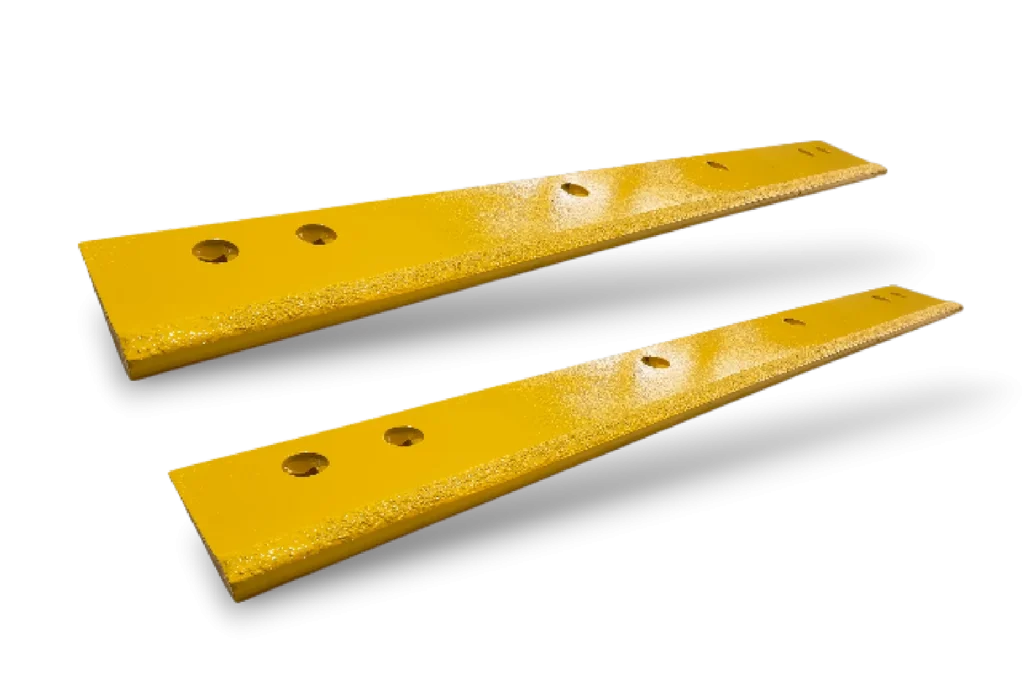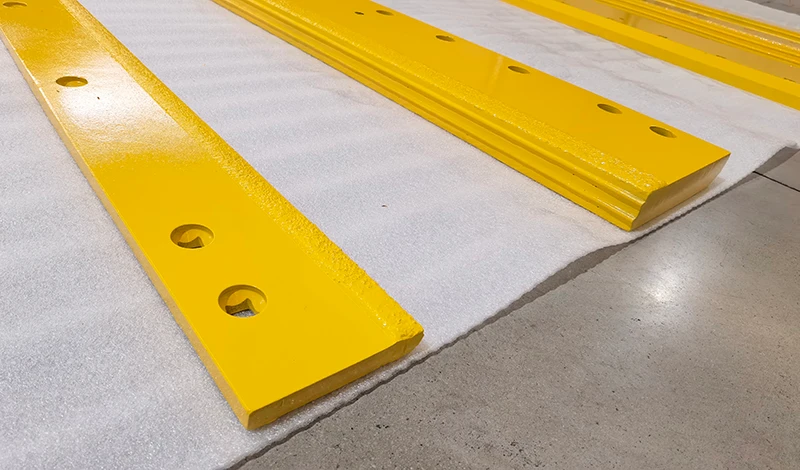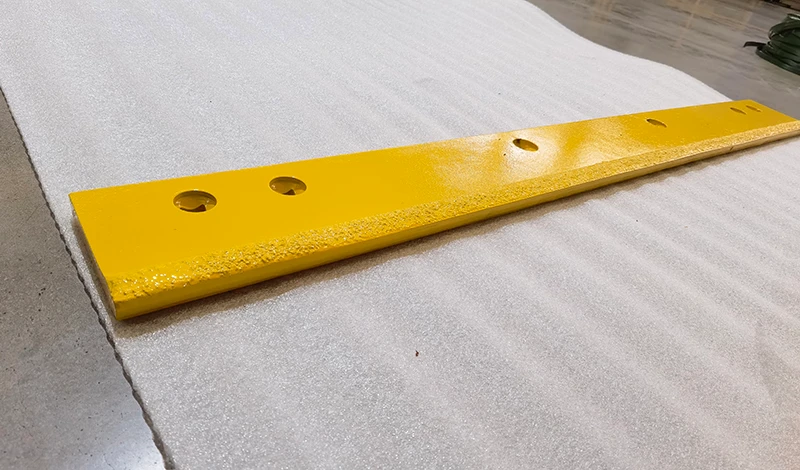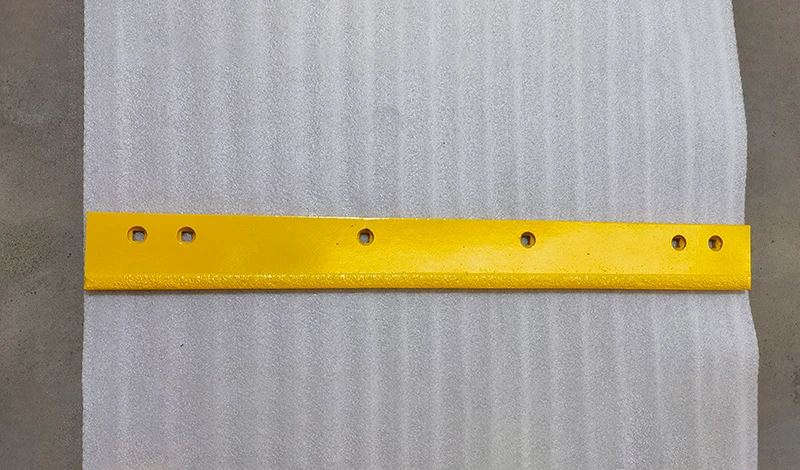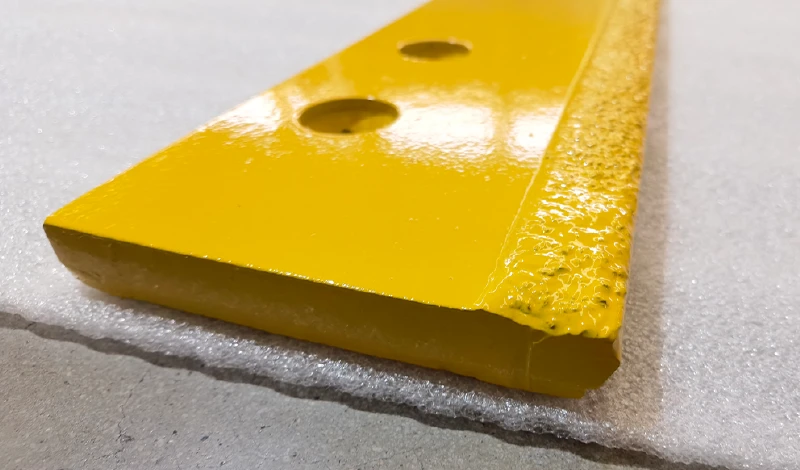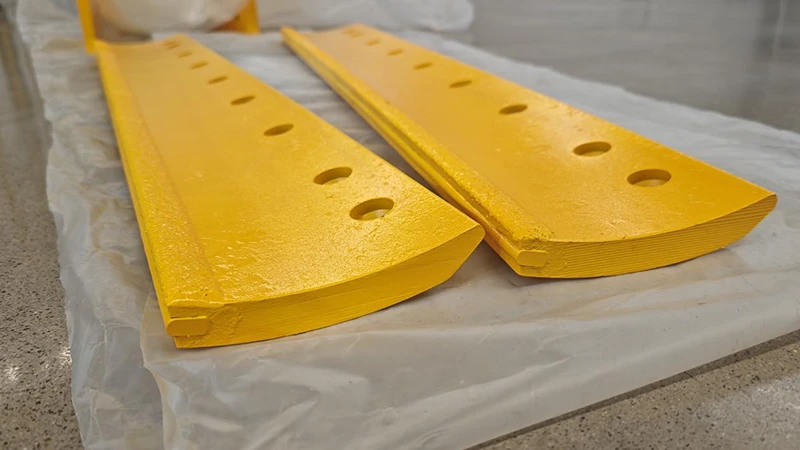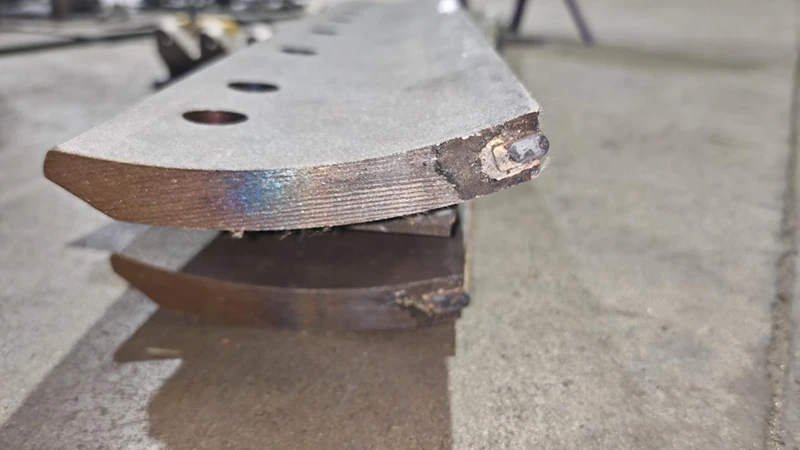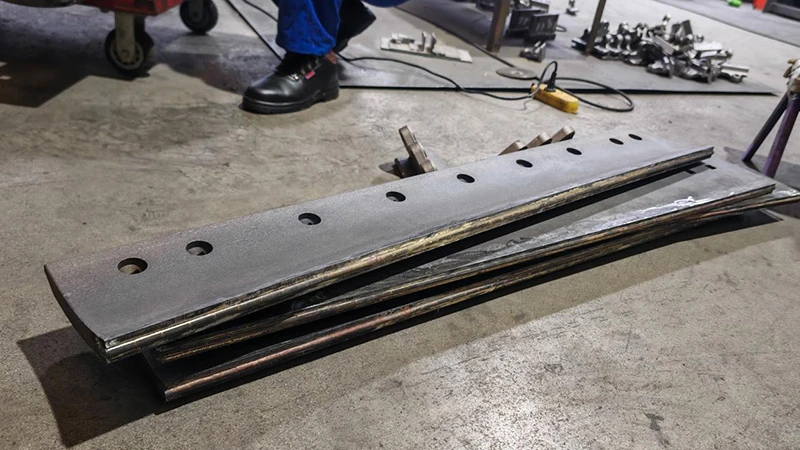
Skid shoes, when correctly specified and maintained, significantly cut blade wear, protect road surfaces, and reduce unplanned downtime for snow fleets, delivering measurable cost savings and safer winter operations for municipalities and contractors.
How is the current snow removal industry creating urgent demand for better skid shoes?
Global road networks now face longer winter maintenance seasons in many regions, with some North American agencies reporting winter service budgets where 30–50% goes to labor, fuel, and wear parts such as blades and skid shoes. At the same time, operators are asked to clear more lane miles with fewer trucks, making any failure of blades or skid shoes a direct hit on service levels and safety.
A 2023 analysis of municipal snow operations in the US and Canada estimated that wear parts and cutting edges alone can account for thousands of dollars per truck per season, especially on mixed gravel–paved routes. When skid shoes wear too quickly or are poorly adjusted, they accelerate blade wear, damage surfaces, and increase the risk of plow trips and equipment damage.
On paved roads, inadequate skid shoes cause excessive blade contact, shortening blade life and increasing vibration for operators.
On gravel roads, light-duty or poorly shaped skids dig into gravel, leave ruts, and bend when they hit frozen rocks, increasing grading costs in spring.
For snow blowers and smaller equipment, under‑engineered skid shoes can catch on cracks or transitions, causing machine damage and operator safety issues.
In this context, wear‑optimized, carbide‑reinforced skid shoes have become a strategic component of winter road maintenance, not just a consumable.
What limitations do traditional skid shoes present in modern operations?
Traditional OEM skid shoes are typically built from basic steel with limited hardness, simple geometry, and minimal adjustability. This design often works in light, predictable conditions, but it quickly shows weaknesses on mixed surfaces, high‑mileage routes, or aggressive plowing schedules.
Key limitations include:
Short wear life, especially on abrasive surfaces or at higher speeds, resulting in frequent replacements and higher labor costs.
Poor shape and leading‑edge design that allow skids to dig into gravel, catch on bumps, or transmit impacts directly into the blade and frame.
Limited or crude height adjustment, making it hard to protect both blade and road surface across different trucks, routes, or snow conditions.
Because many standard skid shoes lack hard alloy or carbide reinforcement, the sole can wear down so fast that it breaks or falls off, sometimes without being noticed until blade damage has already occurred. In addition, basic coatings provide minimal corrosion resistance, especially under continuous salt exposure.
For fleets managing dozens or hundreds of plows, these factors translate to:
Higher annual parts spend per unit
More mid‑storm maintenance stops
Increased risk of pavement or infrastructure damage claims
How can carbide skid shoes from SENTHAI address these challenges?
Advanced skid shoes with hard alloy soles and engineered geometry are designed to prevent excessive blade wear on both paved and gravel roads by controlling contact pressure and ride height. SENTHAI, as a carbide wear‑parts specialist, brings its experience in snow plow blades and road maintenance components to the design and manufacture of durable skid shoes optimized for demanding winter operations.
Leveraging over 21 years in carbide wear part production and fully automated processes such as wet grinding, pressing, sintering, welding, and vulcanization, SENTHAI focuses on consistent hardness, strong bonding strength, and superior wear resistance in its carbide components. This technology base, used in SENTHAI’s carbide blades and inserts, is equally applicable to skid shoes and related wear items, helping fleets extend service life while maintaining edge and surface protection.
Core capabilities relevant to skid shoes and associated wear parts include:
Carbide‑reinforced wear surfaces that significantly outlast conventional steel in abrasive winter conditions.
ISO9001 and ISO14001 certified production ensuring consistent quality and environmental compliance across all carbide wear products.
End‑to‑end production control in Rayong, Thailand, enabling fast response times, stable lead times, and competitive cost structures for global customers.
By integrating skid shoes into a broader SENTHAI wear‑parts strategy—alongside JOMA Style Blades, carbide blades, I.C.E. blades, and carbide inserts—fleet managers can standardize on a durable, data‑driven wear system rather than treating skid shoes as disposable accessories.
Which advantages distinguish SENTHAI-style carbide skid shoes from traditional options?
The following table summarizes the most important differences between conventional skid shoes and carbide‑based skid shoes from a manufacturer such as SENTHAI, which specializes in snow plow blades and wear parts.
What are the key differences between traditional and carbide skid shoes?
| Aspect | Traditional steel skid shoes | SENTHAI‑style carbide skid shoes |
|---|---|---|
| Core material | Mild or basic alloy steel, air‑hardened at best. | Engineered carbide wear surfaces with controlled hardness and bonding. |
| Wear life | Often one season or less on heavy routes; frequent replacements. | Multi‑season potential in many applications, reducing change‑outs and downtime. |
| Leading‑edge geometry | Simple flat or steep angle; tends to dig into gravel and catch bumps. | Ski‑like leading edge that glides over cracks and gravel, reducing impact loads. |
| Height adjustment | Limited steps or manual shims; inconsistent setup between trucks. | Smooth, repeatable adjustment to match blade type, surface, and snow depth. |
| Corrosion resistance | Basic coating; accelerated wear in salt and brine. | Optimized surface treatments and material selection for salty environments. |
| Quality control | Varies by OEM and aftermarket supplier. | ISO9001 + ISO14001 certified production with automated processes. |
| Fleet impact | Higher parts usage, more in‑storm maintenance, inconsistent performance. | Lower lifecycle cost, more predictable blade protection, and stable performance across fleets. |
For many operators, upgrading to a carbide‑based solution from a specialist like SENTHAI can reduce annual wear‑part costs per plow while improving clearance quality and asset protection.
How can operators implement SENTHAI’s skid shoe solution step by step?
To make skid shoes a controllable, data‑driven part of winter operations instead of a consumable afterthought, fleets can follow a structured process when working with SENTHAI and its carbide wear‑part portfolio.
Define operating conditions
Document surface types (urban asphalt, rural gravel, bridges), average speeds, lane miles per route, and typical snow/ice profiles.
Identify critical trouble spots such as steep grades, manholes, railroad crossings, or heavily cracked sidewalks.
Select compatible blade and skid shoe configuration
Match SENTHAI snow plow blades (JOMA Style, carbide, or I.C.E. blades) with appropriate skid shoe style and mounting pattern.
Confirm slot spacing, mounting hardware, and any needed spacers to avoid clearance issues on existing equipment.
Define target blade‑to‑surface gap and adjustment rules
Establish standard settings for paved vs. gravel routes (for example, slightly increased lift on gravel to reduce rutting).
Train technicians to consistently adjust skid shoes and to use locking elements so settings are not lost during operations.
Pilot on representative routes
Equip a subset of plows or snow blowers with SENTHAI carbide blades and skid shoes as a pilot group.
Track blade wear, skid wear, number of adjustments, downtime events, and surface complaints for at least one full winter.
Measure results and scale
Calculate cost per lane‑mile for wear parts before and after the upgrade, including labor for change‑outs.
If KPIs improve (e.g., fewer change‑outs, lower claims, better surface condition), roll out SENTHAI solutions to the wider fleet with standardized specs.
Continuously refine based on data
Work with SENTHAI to adjust carbide grade, geometry, or mounting options as route conditions and equipment evolve.
Use seasonal inspections to refine height settings and document best practices for different municipalities or contractors.
Which real‑world scenarios highlight the benefits of SENTHAI’s skid shoe solution?
Below are four typical application scenarios demonstrating challenges, traditional approaches, and the improvements possible with a carbide‑optimized system from a specialist manufacturer like SENTHAI.
Scenario 1: Municipal urban paved routes
Problem: A city fleet experiences accelerated blade wear and noisy, rough plowing on heavily salted, multi‑lane roads. Operators frequently stop mid‑shift to replace or re‑adjust worn skid shoes.
Traditional approach: Standard OEM steel skid shoes with limited adjustment, replaced multiple times per season. Blade height and pressure vary significantly between vehicles.
After SENTHAI‑style solution: Carbide‑reinforced skid shoes with precise adjustment are paired with SENTHAI carbide blades, maintaining consistent blade‑to‑pavement clearance even under high mileage.
Key benefits: Fewer mid‑storm stops, smoother operation, extended blade life, and improved budget predictability for wear parts per lane‑mile.
Scenario 2: Rural gravel and mixed surfaces
Problem: County plows servicing gravel roads report ruts, gravel displacement, and bent skid shoes after encountering frozen rocks and transitions.
Traditional approach: Flat, thin skids that dig into gravel and deform on impact, requiring frequent straightening or replacement and leading to surface damage complaints.
After SENTHAI‑style solution: Skid shoes with ski‑like, forward‑extended leading edges and robust thickness, inspired by heavy‑duty designs, are combined with SENTHAI blades selected for gravel protection.
Key benefits: Reduced rutting and gravel loss, fewer bent skids, better driver comfort, and lower spring grading and repair costs.
Scenario 3: Sidewalk snow blowers and compact equipment
Problem: Contractors using walk‑behind and small tractor blowers report frequent hang‑ups on sidewalk cracks and transitions, driving up repair costs and operator risk.
Traditional approach: Light stamped skids mounted close to the housing, with steep leading edges and minimal wear reserves.
After SENTHAI‑style solution: Adoption of heavy‑duty, longer skid shoes modeled on extreme‑duty designs, combined with SENTHAI’s carbide wear expertise for the contact surface.
Key benefits: Ability to “bridge” cracks up to nearly 2 inches, smoother operation over uneven surfaces, less housing damage, and fewer emergency service calls.
Scenario 4: Contractor fleet standardization
Problem: A regional contractor running mixed brands of plows and blowers struggles with a wide variety of skid shoe designs, inconsistent availability, and unpredictable part life and pricing.
Traditional approach: Buy whatever OEM or aftermarket skids are available locally, accept varying performance, and maintain a fragmented parts inventory.
After SENTHAI‑style solution: Standardizes on SENTHAI wear components—carbide blades, inserts, and compatible skid shoes—specifying common mounting patterns and performance levels across the fleet.
Key benefits: Simplified inventory, better volume pricing, consistent performance across equipment, and clearer data on cost per operating hour for skid shoes and blades.
In all four cases, SENTHAI’s role as a carbide wear‑part manufacturer, with in‑house R&D, automated production, and international certification, enables tailored solutions rather than one‑size‑fits‑all skid shoes.
Why is now the right time to upgrade to SENTHAI’s carbide skid shoe and blade ecosystem?
Winter maintenance is under pressure from budget constraints, personnel shortages, and higher expectations for safe, quickly cleared roads. As fleets are asked to do more with less, relying on low‑end skid shoes that fail unpredictably is increasingly incompatible with performance requirements and risk management.
SENTHAI’s expanded production base in Rayong, Thailand, coming online in late 2025, increases capacity and innovation potential for carbide tools, including snow plow blades and related skid shoe solutions. By managing the entire production chain—from R&D and engineering to final assembly—in a single region, SENTHAI can deliver stable quality, responsive customization, and reliable delivery schedules for global partners in Europe, North America, and Asia.
For municipalities and contractors, upgrading now offers:
A chance to benchmark current cost per lane‑mile and set measurable improvement targets
Time to pilot carbide skid shoe and blade combinations before the next peak season
An opportunity to partner with a wear‑parts specialist whose products are already trusted by over 80 global partners in the snow and road maintenance sector
Are there common questions about skid shoes and SENTHAI’s solution?
How do skid shoes reduce snow plow downtime?
Skid shoes reduce downtime by preventing blade-to-surface contact, minimizing wear, and protecting cutting edges. Properly adjusted units keep plows operating smoothly, extending service intervals and lowering maintenance demands, ultimately providing longer equipment uptime for SENTHAI users.
How to cut snow plow lifecycle costs effectively?
Lower lifecycle costs by using wear-resistant skid shoes, maintaining proper alignment, and replacing parts on schedule. These practices reduce repair frequency, energy use, and downtime, improving operating efficiency and extending service life of SENTHAI tools.
Why choose carbide skid shoes for snow plows?
Carbide skid shoes offer superior wear resistance and stability on rugged surfaces, significantly extending snow plow component life. Their durability minimizes replacement frequency, helping operators maintain consistent snow clearing with less maintenance expense.
What are the best snow plow skid shoe maintenance tips?
Regularly check wear levels, adjust height evenly, clean after each use, and replace damaged shoes early. Consistent maintenance ensures smooth operation, prevents uneven scraping, and reduces costly mid-season part failures.
Which snow plow upgrades offer the best ROI?
Invest in carbide-reinforced skid shoes and improved cutting edges to boost lifespan and performance. These upgrades deliver measurable savings through lower maintenance costs, better road surface protection, and fewer operational disruptions.
How can skid shoes enhance snow plow performance?
High-quality skid shoes improve traction and glide, keeping blades level and effective on irregular surfaces. This stabilization boosts plow efficiency and prevents premature wear, ensuring cleaner passes and smoother snow removal.
What makes advanced skid shoe designs more effective?
Modern skid shoes feature optimized curvature and bonding strength, distributing load evenly while minimizing vibration. These design improvements extend operating time, enhance efficiency, and ensure consistent surface protection throughout demanding winter operations.
What are the best skid shoes for municipal snow plows?
For municipalities, the best skid shoes are carbide-based models with strong bonding and replaceable components. They deliver long wear life, reduce downtime for fleet maintenance, and improve snow clearing reliability across large service areas.
Can your fleet afford another winter with unpredictable skid shoe performance? (CTA)
For municipal agencies, state DOTs, and snow contractors looking to cut downtime and stabilize wear‑part budgets, this is the moment to upgrade skid shoes from an afterthought to a managed asset. By combining carbide skid shoes with SENTHAI’s proven portfolio of JOMA Style Blades, carbide blades, I.C.E. blades, and carbide inserts, fleets can build a unified, high‑performance wear system backed by over two decades of carbide manufacturing expertise and ISO‑certified quality.
Contact SENTHAI Carbide Tool Co., Ltd. to discuss your current plow, blade, and skid shoe setup, define measurable cost‑reduction targets, and schedule a pilot before the next peak winter season. With a growing Rayong production base and more than 80 global partners already relying on its products, SENTHAI is ready to help your operation turn skid shoes into a controllable, data‑driven advantage.
What are some useful reference sources on skid shoes and carbide wear parts?
Adjustable skid shoes for snow plows and their role in preventing excessive blade wear.
Heavy‑duty snowblower skid shoes designed to bridge sidewalk cracks and handle gravel conditions.
Example specifications for heavy‑duty snow plow skid shoes, including material thickness and corrosion resistance considerations.
SENTHAI Carbide Tool Co., Ltd. company information, product portfolio, and manufacturing capabilities in snow plow blades and wear parts.