
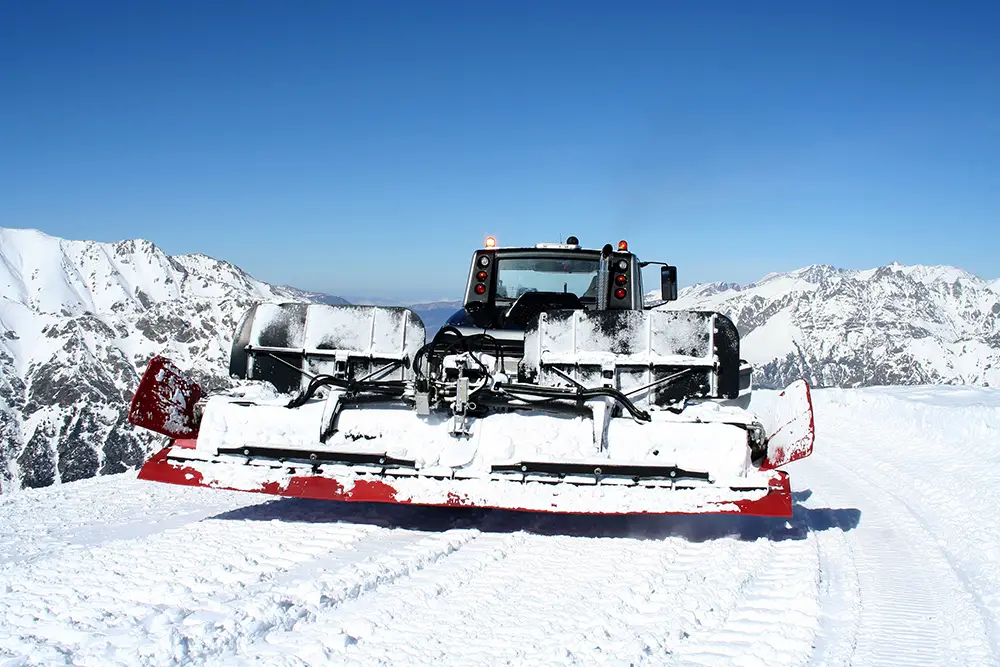
SENTHAI supplies Joma-style blades and carbide inserts for snow plow equipment, with a strong focus on the North American market. Send us your requirements, and we will tailor our solutions to make your wear parts perform better.

gallery




Technical Parameters
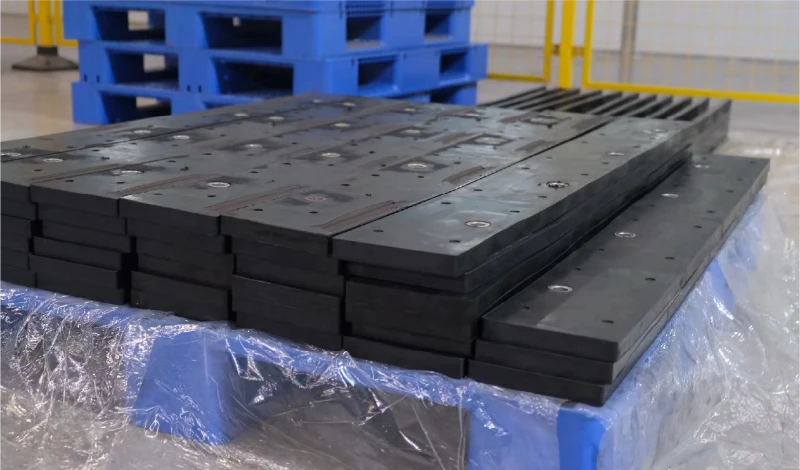
The Joma-style blade features a revolutionary design, consisting of tungsten carbide inserts brazed into steel segments and encased in a rubber shell. These cutting edges offer a significantly extended lifespan, excellent performance, superior wear resistance, reduced vibration, and lower noise levels. Fewer blade changes are required, resulting in reduced costs, less downtime, and lower maintenance.
SENTHAI produces premium, high-consistency Joma-style cutting edges that deliver an excellent balance of abrasion resistance and impact protection. Our blades are an ideal replacement for standard Joma-style cutting edges. We also offer customization services based on your drawings, samples, or specifications.
For further information (MOQ, pricing, delivery, etc.), please request a quote. Our sales and engineering teams will contact you promptly and provide the most cost-efficient solution for your needs.
| Item | Size | Weight |
|---|---|---|
| 4-foot snow plow | 48” x 6” x 7/8” (1219mm x 152mm x 23mm) | 17.5 kg |
| 3-foot snow plow | 36” x 6” x 7/8” (914mm x 152mm x 23mm) | 13.1 kg |
| Cast steel segment (Horse shoe design) | 11.22” x 5” x 3/4” (285mm x 127mm x 19mm) | 3.5 kg |
| Carbide inserts | 1” x .95” x 0.32” (25.9mm x 24.25mm x 8.16mm) | 70 Grams |

Your personal expert of snowplow blades
How do your blades prevent carbide insert failure or pop-out during high-speed impacts?
Superior retention is achieved through SENTHAI's proprietary brazing technology. Each tungsten carbide insert is secured into a reinforced steel holder using this specialized process, creating a bond specifically engineered to withstand high-velocity impacts against manholes and road obstructions. These holders are then chemically and mechanically integrated into the rubber matrix during high-pressure vulcanization, allowing the blade to absorb shock without compromising the integrity of the carbide inserts.
What prevents the rubber from delaminating from the steel core in extreme cold or salt-heavy environments?
How does this blade perform on Black Ice compared to traditional rigid steel blades?
These composite blades feature an optimized attack angle for the carbide inserts. While the rubber casing provides the necessary flexibility to glide over road markings and reduce cab noise, the internal steel structural components ensure the carbide teeth maintain consistent downward pressure. This enables the blade to effectively fracture hard-packed ice and snow rather than simply sliding over the surface.
Is this system compatible with standard North American mounting patterns?
The blades are manufactured with standard AASHTO bolt patterns (typically 12-inch or 8-inch on-center), ensuring they are a direct-fit replacement for existing Joma-style setups on major plow brands. Please note that SENTHAI provides the high-performance composite blade sections only; customers utilize their existing standard clamping bars and Grade 8 mounting hardware for installation.
What is the expected wear life and performance compared to other Joma-style blades on the market?
SENTHAI Joma-style products are engineered for extended service life and superior scraping performance that exceeds standard industry options. Built with premium-grade tungsten carbide and heavy-duty rubber compounds, these blades are designed to deliver a significantly lower cost-per-mile than traditional carbide-tipped steel blades. Each section includes integrated wear indicators, allowing operators to easily monitor the blade's condition and schedule maintenance before any damage occurs to the plow's mounting hardware.





Joma-Style Blades: The Ultimate Snow Plow Cutting Edge
Experience competitive pricing on premium rubber-carbide Joma-style plow blades. Engineered for extreme durability and stability in low-temperature environments, our blades are designed to reduce noise, vibration, and maintenance costs for heavy-duty fleets across North America.
Revolutionary Rubber Carbide Plow Blade Technology
The SENTHAI Joma-style blade features a unique design where built-in tungsten carbide inserts are brazed into steel segments and encased in a high-quality rubber shell. This allows the blade to flex, offering significantly extended lifespan and superior wear resistance compared to standard steel cutting edges. It is one of the best snow plow blade solutions for reducing vibration and equipment wear.
Maintain Stability in Low-Temperature Environments
Specifically engineered for the harshest climates, our carbide snow plow blades maintain structural integrity and performance in extreme cold. As a North American bestseller for years, these heavy-duty rubber-carbide plow blades provide consistent impact protection. Whether you need blades for municipal or commercial fleets, our Thailand-made edges ensure your snowplow works harder for longer.
Custom 3ft & 4ft Snow Plow Cutting Edge Replacements
We offer standard 3ft and 4ft (36″ and 48″) snow plow segments, as well as fully customized sizes to fit your specific equipment. If you are looking for Joma-style blades that balance quality and cost, SENTHAI’s 100% made-in-Thailand manufacturing is the answer. We manufacture to your drawings and samples, providing the perfect cutting edge replacement for any specialized winter road maintenance task.