
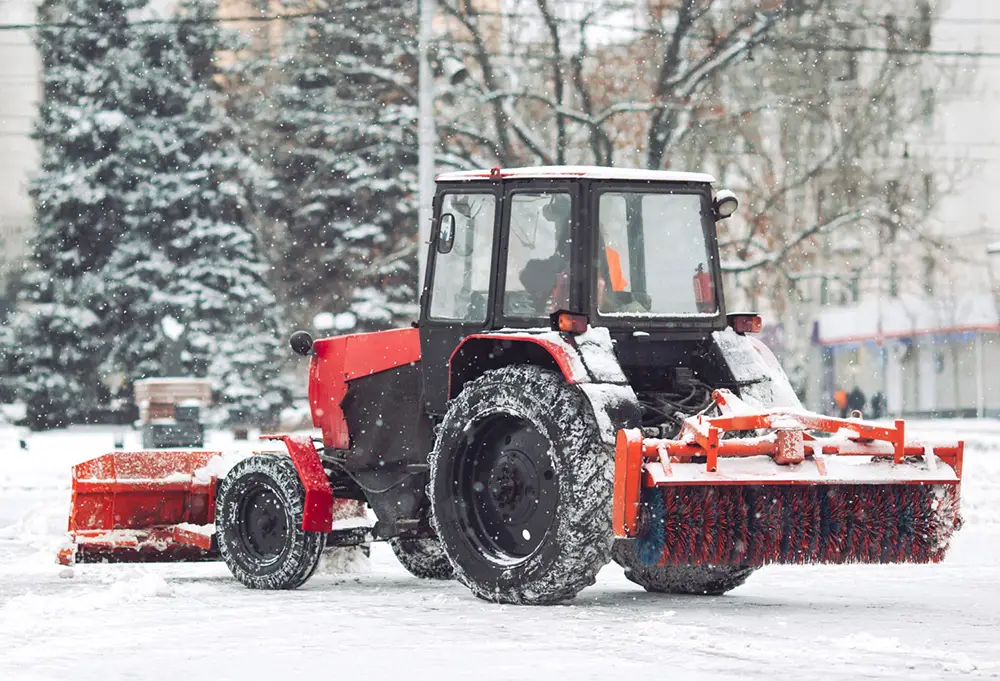
SENTHAI carbide snow plow blades deliver exceptional wear resistance, extended service life, and proven performance across a wide range of operating conditions.
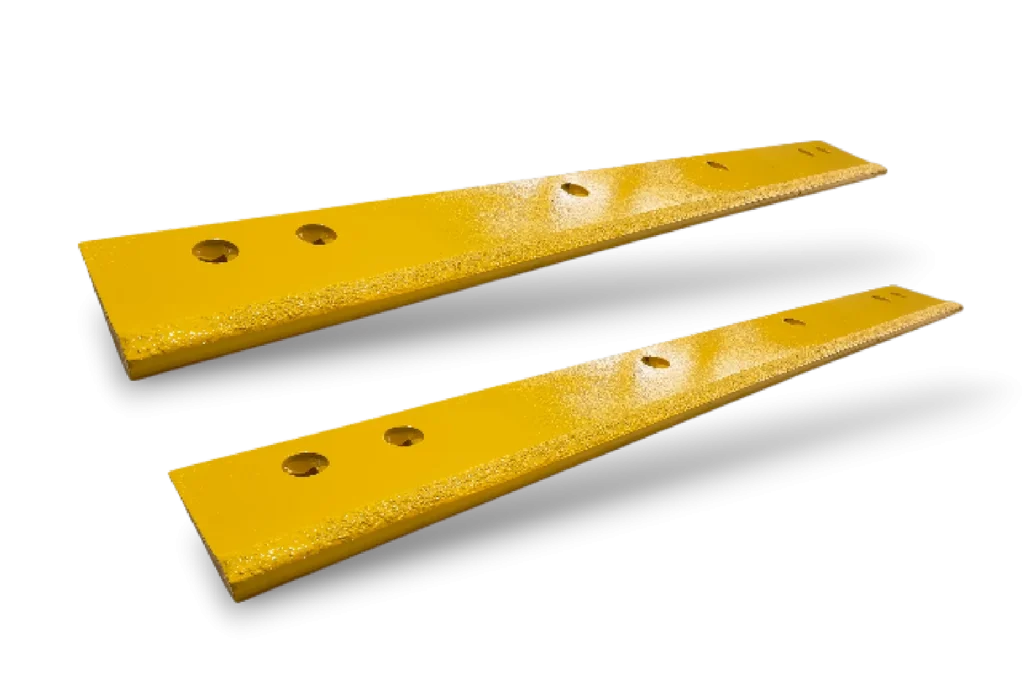
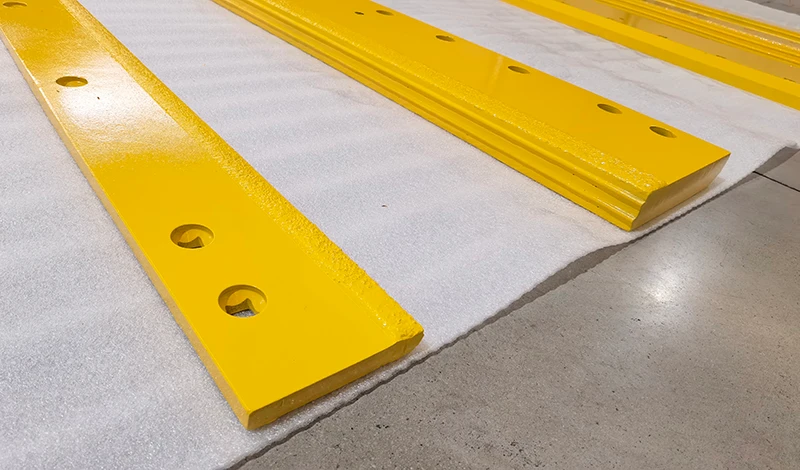
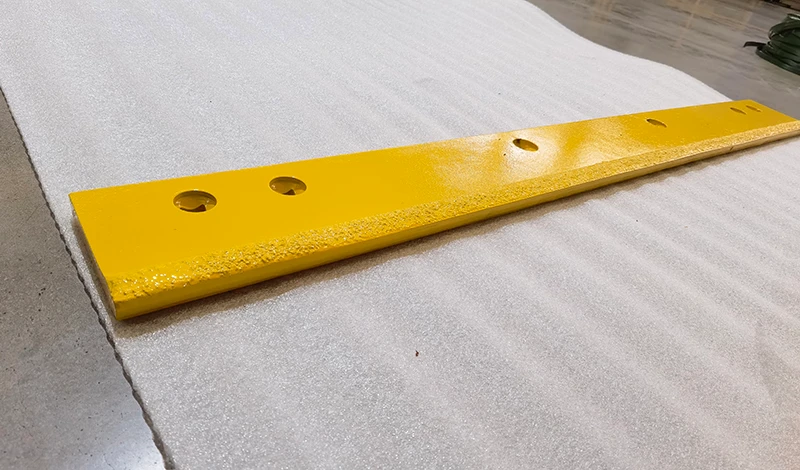
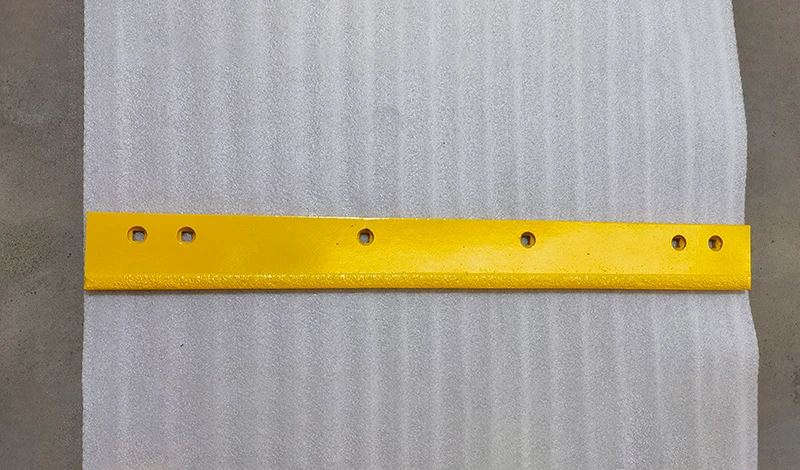
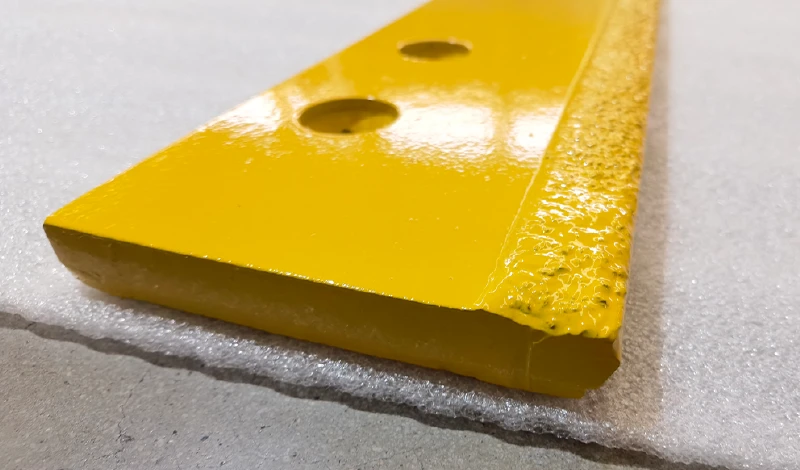
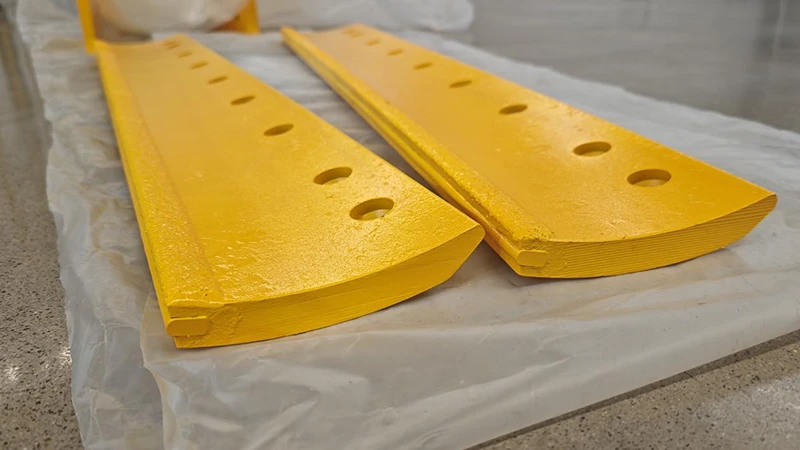
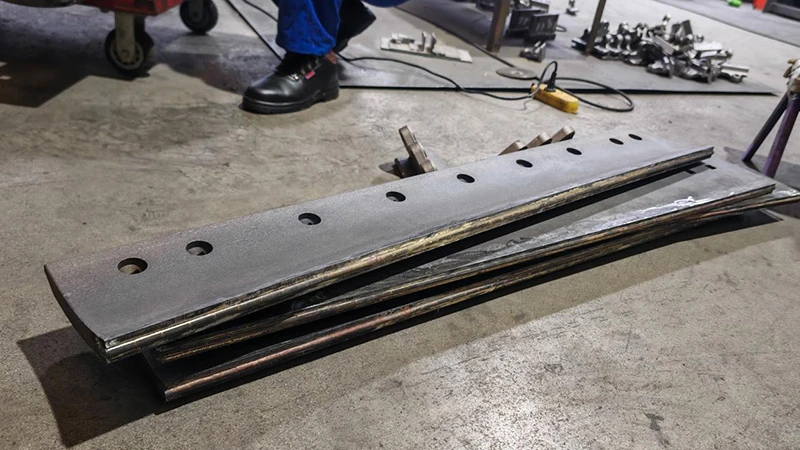
Our standard blade features a flat, 3/4″-thick steel body with a single carbide insert brazed onto the face. This carbide tip delivers an excellent balance of abrasion resistance and impact protection, cutting through ice and compacted snow on the first pass.
gallery

Technical Parameters
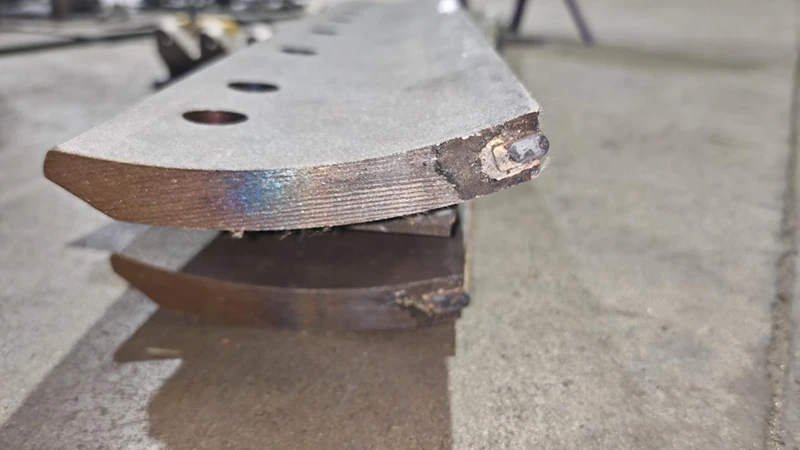
Carbide snow plow blades can be mounted on the front, underbody, or wing of a plow, depending on the application. Though they resemble traditional steel cutting edges, our blades feature tungsten carbide inserts brazed into milled grooves or overlaid on the surface—significantly extending service life and minimizing downtime.
Unlike standard steel cutting edges—which wear out quickly, requiring frequent changes and added maintenance—tungsten carbide is an extremely tough and durable material. It extends blade life by 10 to 20 times compared to traditional steel. In addition, carbide blades offer superior wear resistance, impact resistance, and cutting performance.
SENTHAI is proud to offer carbide snow plow blades manufactured from micro-grain tungsten carbide and premium C45 steel. We supply a full selection of standard sizes, and custom blades are also available upon request.

Your personal expert of snowplow blades
How do Senthai blades handle high-speed impacts with manholes or obstacles without shattering?
Impact failure is often caused by residual internal stress. Through continuous R&D in raw material selection and process optimization, we have developed multiple patented technologies that ensure our products' stress relief performance is superior to other inserts. Combined with SENTHAI's proprietary brazing technology, our blades are engineered to absorb heavy impacts at high speeds, significantly reducing the risk of carbide fracturing even in extreme sub-zero temperatures.
What prevents the carbide inserts from popping out or delaminating in corrosive salt environments?
Bonding integrity is critical for long-term reliability. We utilize a specialized surface conditioning process—including precision sandblasting—to ensure a clean surface with optimal cobalt content for brazing. This creates a superior metallurgical bond between the carbide and the steel, ensuring the inserts remain securely in place despite constant exposure to road brine, calcium chloride, and high-frequency vibrations.
Will these blades fit our diverse fleet perfectly to minimize labor and downtime?
Yes. Precision manufacturing is our core strength. We maintain dimensional tolerances as tight as ±0.02mm, ensuring that all bolt holes comply with AASHTO (North America) or DIN (Europe) standards. This high-precision fit means your maintenance teams can perform rapid drop-in replacements without the need for manual adjustments—drastically reducing labor costs and getting your fleet back on the road faster.
Can we achieve clean-to-pavement results without damaging expensive road surfaces or markings?
Our blades are engineered with an optimized attack angle that balances aggressive ice-cutting power with surface protection. By utilizing high-quality vacuum sintering and compression molding, we produce a carbide structure that is tough enough to fracture black ice yet gentle enough to glide over porous asphalt without dislodging aggregates. This ensures maximum safety for commuters while protecting infrastructure investment.
How do we justify the higher upfront cost of Senthai blades to our budget auditors?
The true metric is Cost-per-Mile, not purchase price. Due to our advanced vacuum sintering technology and superior stress-release performance, SENTHAI blades offer a service life that significantly exceeds standard market alternatives. By reducing the frequency of blade changes, you not only save on wear parts but also achieve substantial reductions in vehicle downtime and technician labor hours—delivering a much higher Return on Investment (ROI) over the winter season.




High-Performance Carbide Snow Plow Blades
SENTHAI carbide snow plow blades are engineered to deliver a service life 10 to 20 times longer than traditional carbon steel edges. By brazing carbide inserts into premium C45 steel, we create a blade that offers the ultimate balance of abrasion resistance and impact protection. Whether you operate a straight blade or manage a heavy-duty municipal fleet, our tungsten carbide technology cuts through ice and compacted snow on the first pass—reducing the need for frequent replacements and keeping your fleet operational all season.
Versatile Mounting for Municipal and Commercial Fleets
Our carbide snow plow blades are designed for maximum versatility, with mounting options for front, underbody, and wing positions across the majority of heavy-duty municipal and commercial plows. SENTHAI delivers consistent factory quality and reliable performance—keeping your fleet clearing roads efficiently throughout the harshest winter conditions.
Advanced Tungsten Cladding for Extended Wear Life
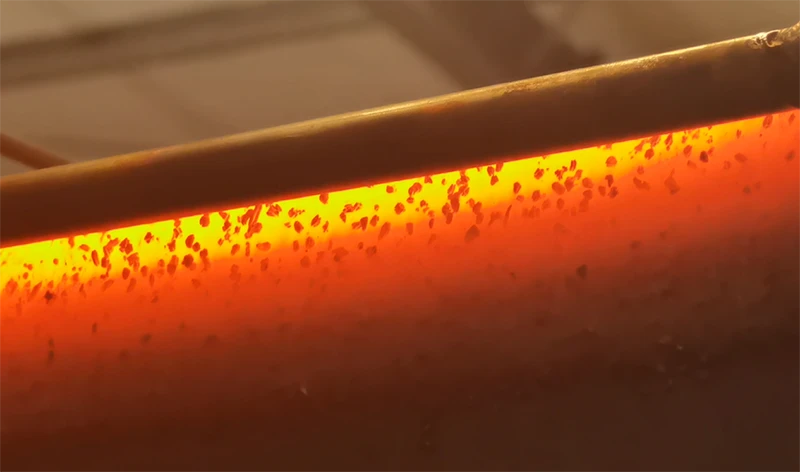
For operators requiring specialized maneuvers, our blades can be configured for both forward and reverse operation. We incorporate advanced tungsten carbide particle cladding to further extend wear life. Unlike standard steel or rubber alternatives, our carbide-faced, 3/4″-thick steel blades are built to handle high-speed abrasion without losing structural integrity.
Reduced Downtime and Optimized Operational Efficiency
The primary advantage of choosing SENTHAI carbide snow plow blades is the drastic reduction in maintenance downtime. Because our blades last significantly longer than steel, your team spends less time changing blades and more time on the road. We offer various standard sizes and full customization to fit your specific drawings. By choosing SENTHAI, you are investing in a blade that thrives in the most grueling environments—delivering proven performance and operational savings across North America.